
Text: Hanno Grahl, September 2025
At every major sporting event involving Poland, and on every state visit by high-ranking Polish dignitaries, one dance always takes the stage: the mazurka. A folk dance so iconic that it even made it into the national anthem. For most people, the word mazurka instantly makes them think of Frédéric Chopin – its undisputed master – who elevated the dance from rural traditions found in Polish villages to refined salons throughout the European continent.
Few musical genres are so closely associated with one single name, even though many other composers have written mazurkas. The »Pianomania« series explores Polish dance beyond Chopin’s piano miniatures (Rafał Blechacz dedicates the final concert in the series to him).
As with much folk music, the exact origins of the mazurka are shrouded in mystery. Its name likely comes from the Masovia region around Warsaw, and the dance was first mentioned in written records in the 14th century. It began to gain much wider popularity two centuries later as it spread beyond rural festivals. There is, in fact, no single type of mazurka: it is a generic term that covers several related dances of varying tempo and character – the kujawiak being the slowest, followed by the mazur and ending with the fast oberek. What unites them all is their distinctive triple metre.
To some ears, the mazurka may sound like a slightly uneven waltz – and that is precisely its secret. The accent shifts between the second and third beats, giving the dance its lively, unpredictable and unmistakable character. Whereas the waltz has an accent fixed on the first beat of the bar, the mazurka lets it bounce playfully back and forth. It is no coincidence that this unusual rhythm is often interpreted as the unwavering and energetic heartbeat of the Polish people.
Pianomania :2025/26 Season
Piano stars who show what their fingers are capable of: the programmes are virtuosic and dramatic, but also tender and touching. The focus is on the mazurka, a folk dance ennobled and refined by Chopin and other virtuosos
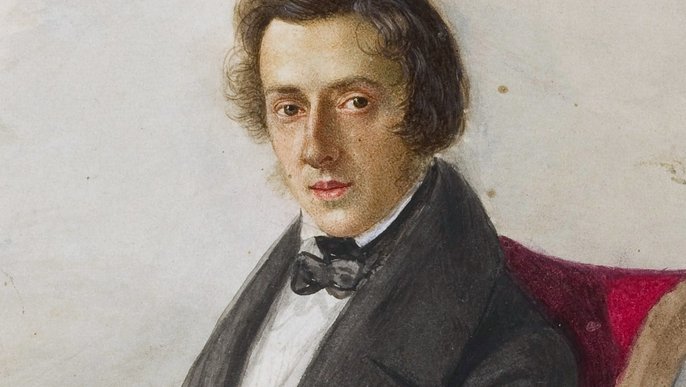
The mazurka’s evolution into a symbol of national identity is closely linked to Poland’s turbulent history. For centuries, the country was subjected to occupations and partitions. Many Poles went into exile, while others organised resistance from abroad. Among them was General Jan Henryk Dąbrowski who led Polish legions alongside Napoleon. In his honour, the poet Józef Wybicki wrote the lyrics to what would become Poland’s national anthem, also called »Dąbrowski’s Mazurka«. Originally a song of defiance against occupying rule, its stirring refrain, »Poland is not yet lost«, became an enduring symbol of hope and resilience after World War I.
Józef Wybicki: »Mazurek Dąbrowskiego«
Dance on the piano
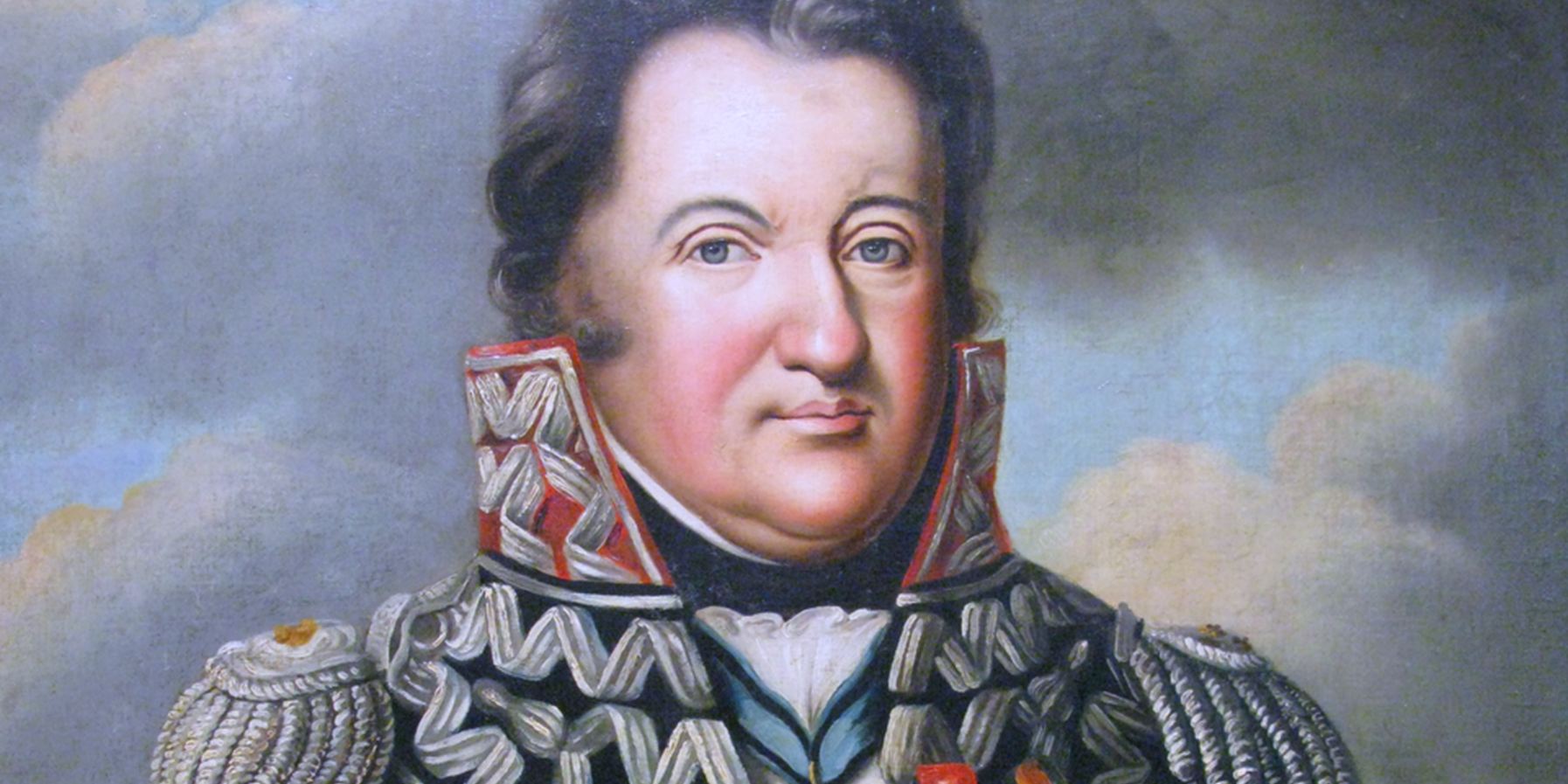
It was at the beginning of the 19th century that the dance then found its way onto the black and white keys of the piano: the first collections appeared in print and composers such as Karol Kurpiński and Maria Szymanowska enjoyed great success with their mazurka miniatures. At a time when folk dances were already in vogue, the mazurka swept through the salons of Europe – especially in Paris, where the leading virtuosos of the age performed it, among them the young Frédéric Chopin. He transformed the peasant dance into poetic miniatures, full of longing for his homeland, which he would never set foot in again. Gradually, these piano works became increasingly emancipated from its original folk roots: the earthy dance became refined, expressive music for the concert hall. Chopin’s contemporaries recognised at the time that he was composing his greatest music in these short works.
Franz Liszt enthused: »What can be said about the mazurkas, these small, capricious, yet perfect masterpieces? A flawless sonnet outweighs a long poem, said a man who was an authority in the most beautiful century of French literature. We would like to apply this exuberance to the mazurkas and say that, for us, many of them surpass entire operas.«

In diesem Artikel kann man mehr über Frédéric Chopin, den »Meister der Mazurka«, erfahren.
The mazurka dances across the whole of Europe
Other composers eagerly embraced this dance form, creating a rich spectrum of mazurkas coloured by personal expression, national character and the spirit of their times. In Germany, for instance, Clara Schumann composed mazurkas in her teenage years in her »Soirées musicales« that bring together playful elegance with folkloric undertones.
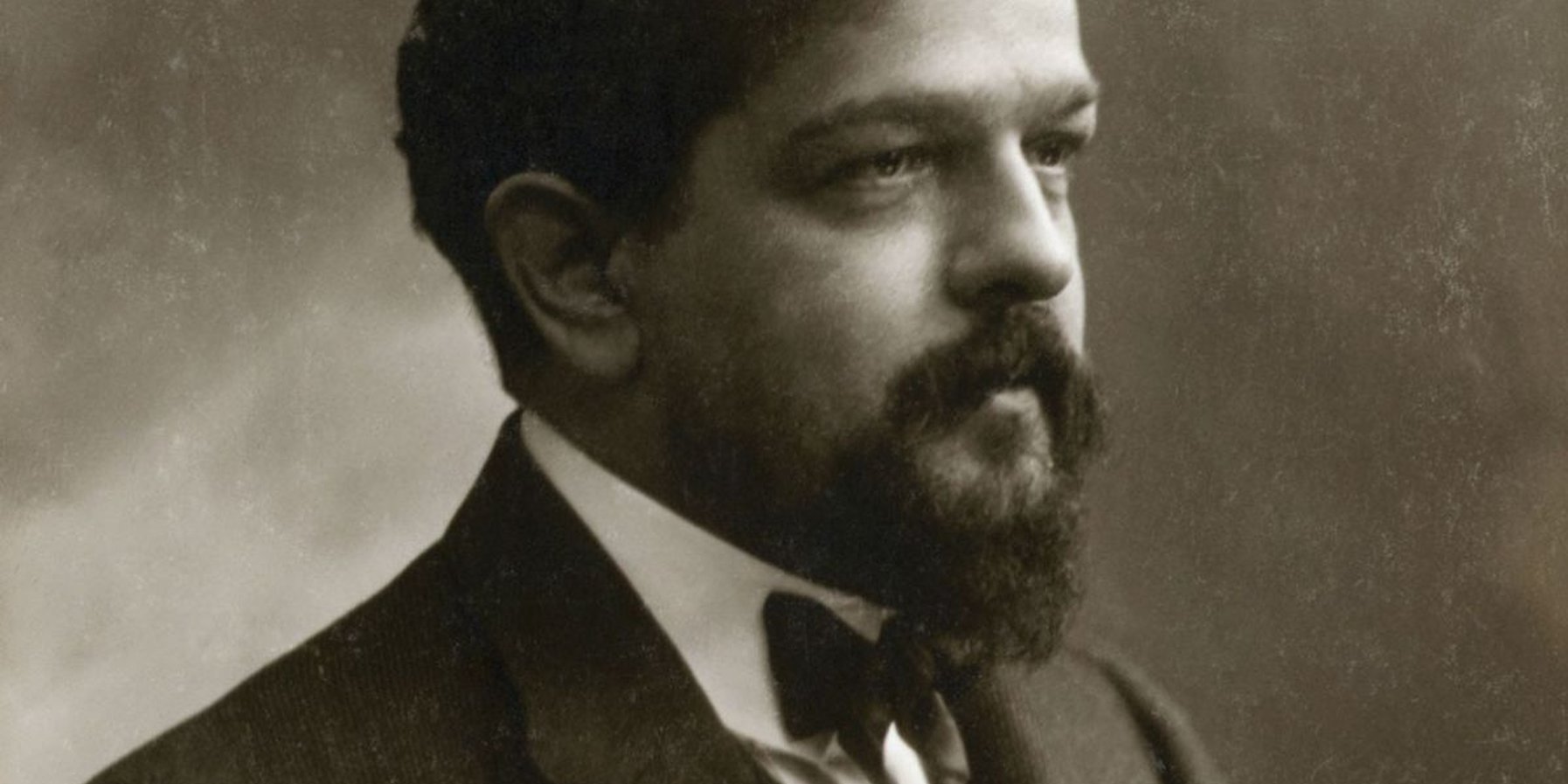
In France, Camille Saint-Saëns, Gabriel Fauré and Claude Debussy carried the lively, bouncy rhythm into their own style. They never met Chopin, who died in 1849 – Saint-Saëns was just fourteen, and Fauré only four – but his spirit still lingered in the Parisian salons, kept alive by virtuosos like Franz Liszt. Many French composers looked to Chopin as a role model early in their careers and also tried their hand at the mazurka. While Saint-Saëns still drew heavily on the romantic soundscapes, his students Fauré and the later impressionist pioneer Debussy moved further away from their Polish predecessor’s influence, developing their own tonal languages.
Claude Debussy: Mazurka
In Russia, too, the mazurka made the leap from folk tradition to music as part of the Arts. The country’s long history of occupation fostered an unintentional cultural exchange. Pyotr Tchaikovsky included a mazurka in his Children’s Album, and composers such as Alexander Scriabin and Sergei Rachmaninoff later introduced the dance form into the 20th century. Though Scriabin did not match Chopin’s 60 mazurkas, he did compose 23 within a decade – works that trace his artistic evolution from Chopinesque lyricism toward his own intellectual, lyrical and mystical sound world.
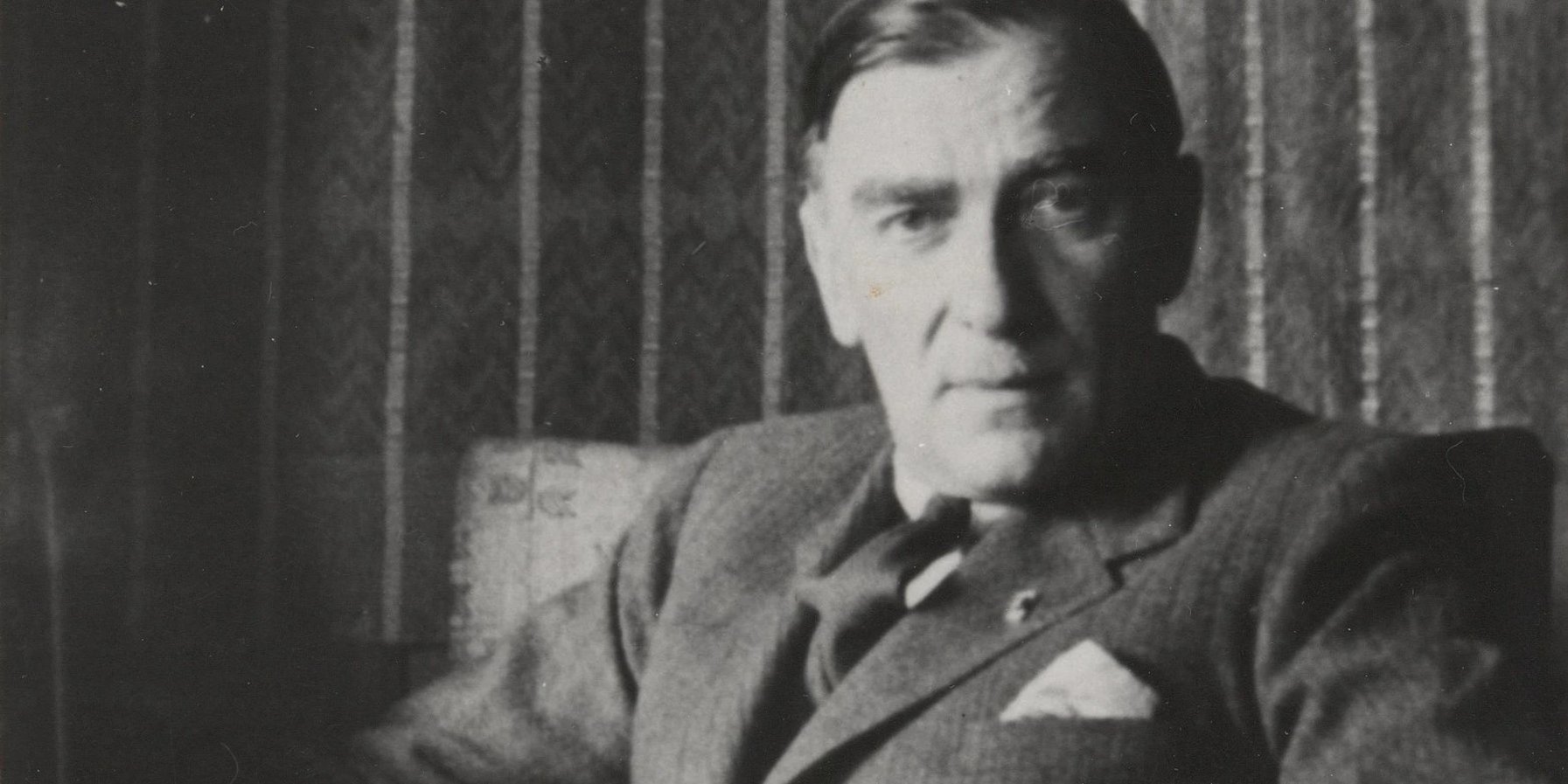
»May Polish music be national, but not provincial«
Karol Szymanowski
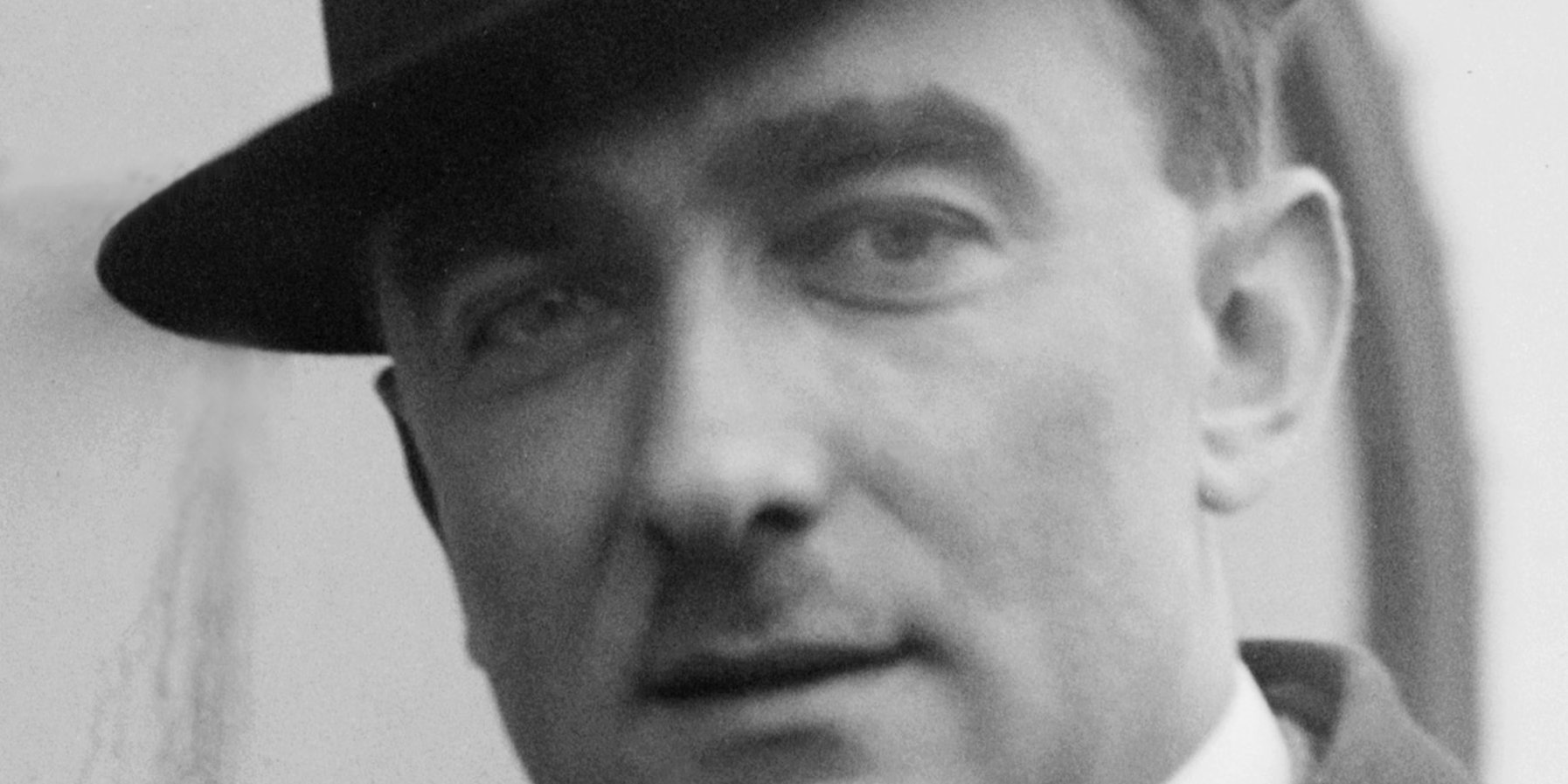
In the 20th century, it was above all the Polish composer Karol Szymanowski – no relation of Maria Szymanowska – who revitalised and modernised the mazurka. Returning the dance to its folk origins while enriching it with modern harmonisation, he brought the old peasant dance into the modern age. In his work, the mazurka sounds rougher, more archaic. Through this synthesis, Szymanowski reconnected the dance with a renewed sense of Polish identity and cultural confidence, leading it into a new era.

In diesem Artikel werden fünf bedeutende Komponisten kurz vorgstellt.
Karol Szymanowski: Mazurka Op. 50 Nr. 13 & op. 64 Nr.11
The mazurka is, all at once, a piece of folkloric heritage, a national symbol and a playground for artistic experimentation. Its journey stretches from the village square to the salons of Europe and into the concert halls of today. And it has never lost its vitality and allure that so many love and that continues to be a source of fascination to this day.
- Elbphilharmonie Kleiner Saal
»Pianomania« – Mazurkas and other dances by Frédéric Chopin
Sold out


