How does heroism sound in music? The NDR Elbphilharmonie Orchestra and vocal ensemble join Orpheus on his journey to the underworld and celebrate an unknown hero in Beethoven’s Third Symphony.
For the first part of the joint concert by the two NDR ensembles, Klaas Stok has compiled choral works that illuminate the Orpheus myth in very different ways. For Hans Werner Henze, who would have celebrated his 100th birthday in 2026, music was always a mouthpiece for drawing attention to political injustices of the present. Rainer Maria Rilke, whose »Sonnets to Orpheus« were set to music for choir by Finnish composer Einojuhani Rautavaara, was interested in the legendary singer's significance as a pioneer of art. For the Icelandic composer Jóhann Jóhannsson, who died in 2018, Orpheus was a symbol of »the intangible nature of beauty and its sometimes difficult relationship with the artist.«
Ludwig van Beethoven’s »Eroica« in heroic E flat major was declared a myth in the history of the symphony by posterity itself: from the very first bar, the work compels the audience to listen attentively, to grasp the messages conveyed by the music – the days of sophisticated entertainment were thus over. What exactly the symphony is about remains a mystery, however: according to the title, it celebrates the ‘memory of a great man’ – perhaps the ancient hero Prometheus, whom Beethoven evokes with a quote from a melody from his Prometheus ballet?

Performers
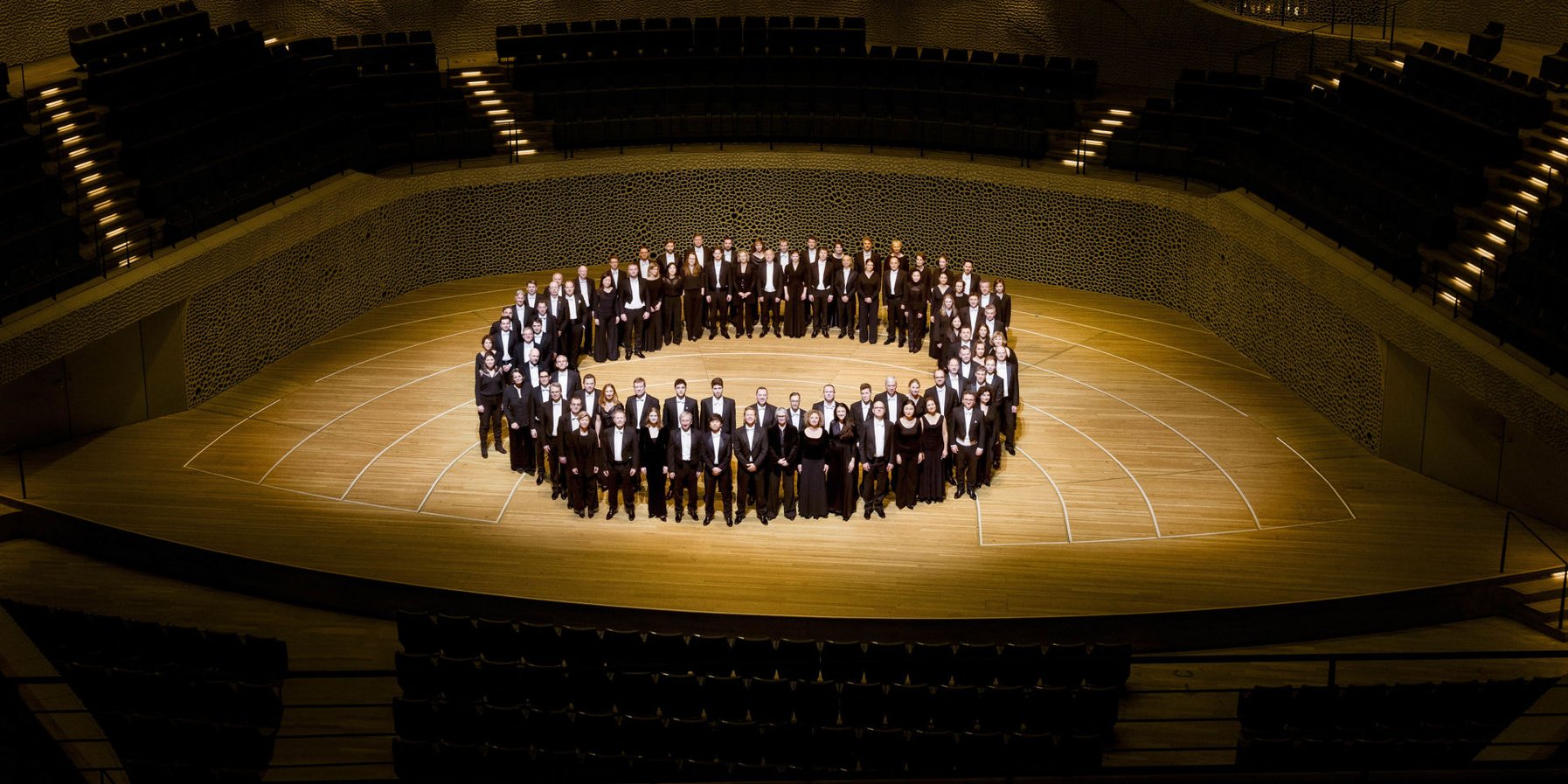
NDR Elbphilharmonie Orchester
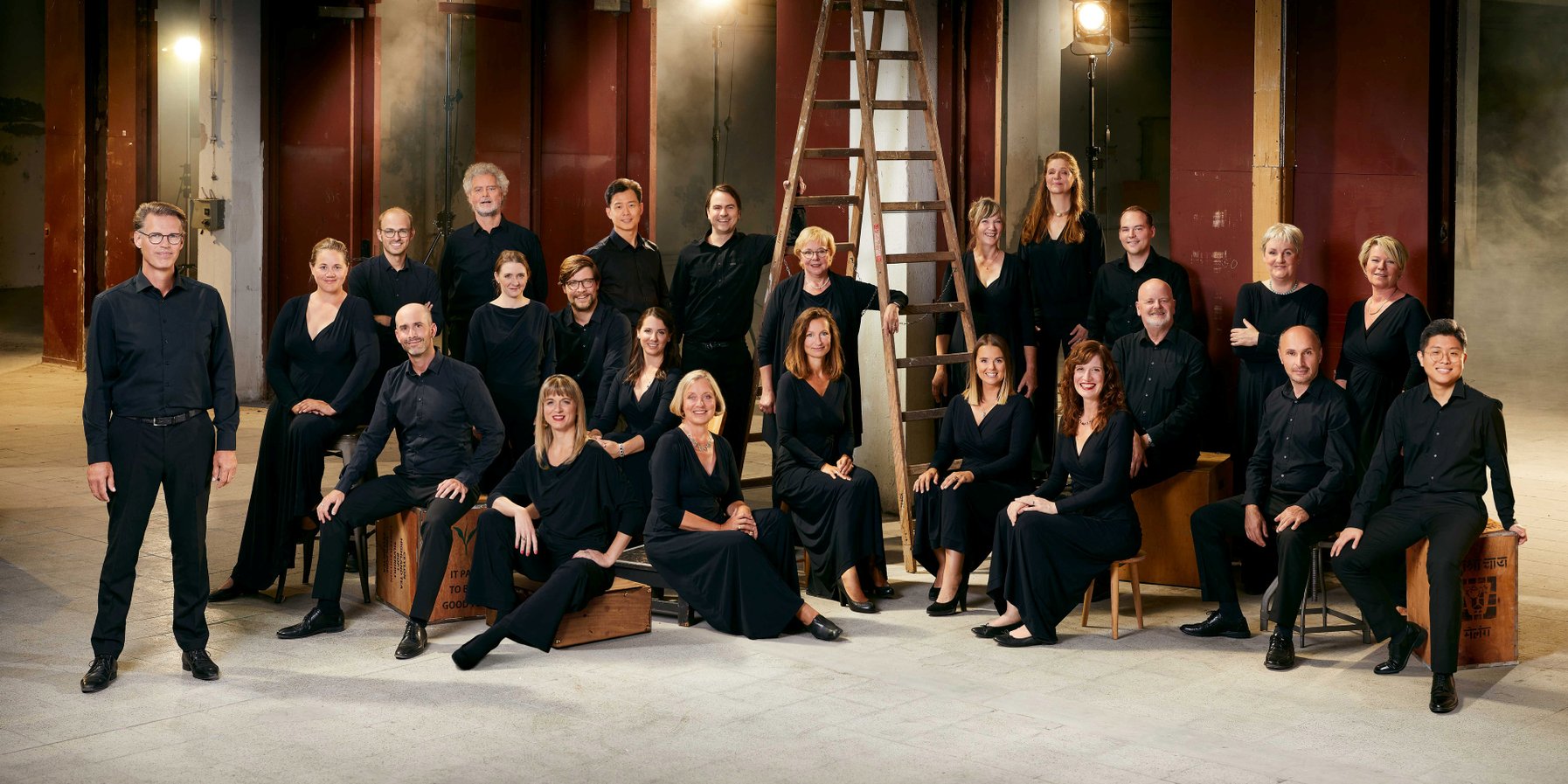
NDR Vokalensemble
choir director Klaas Stok
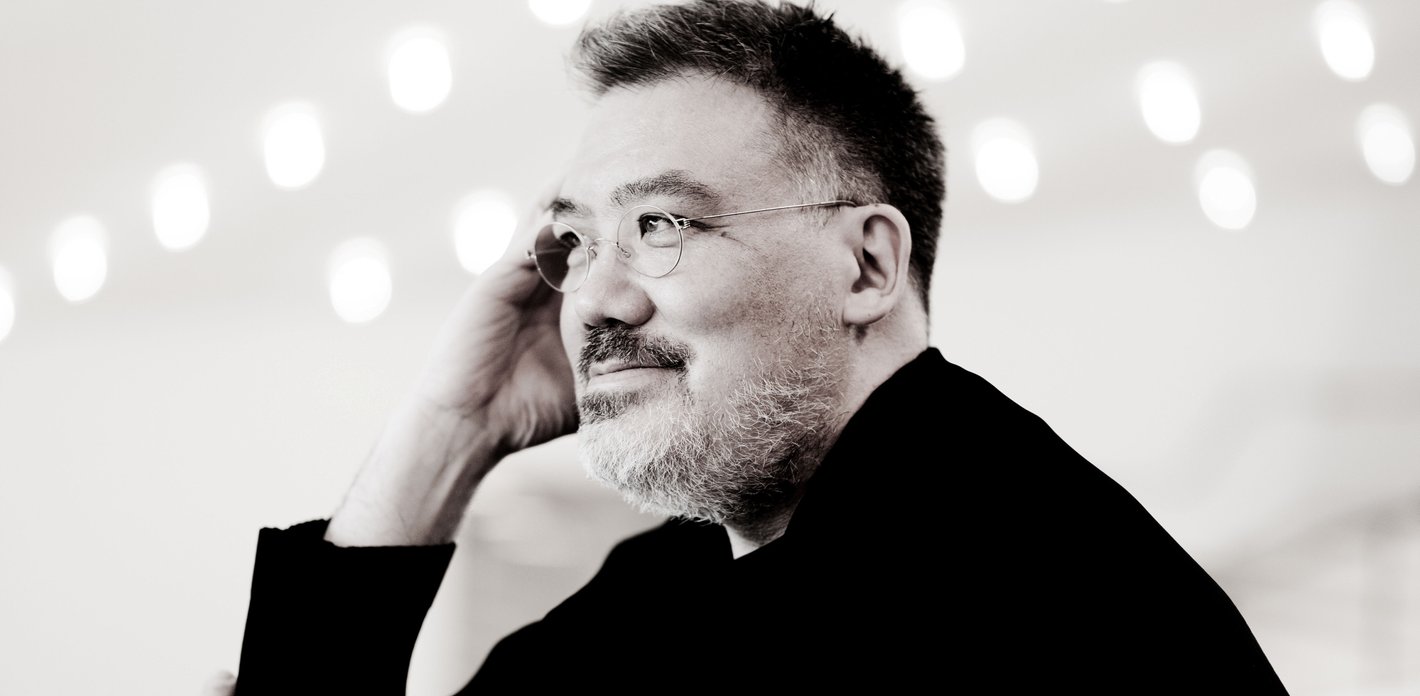
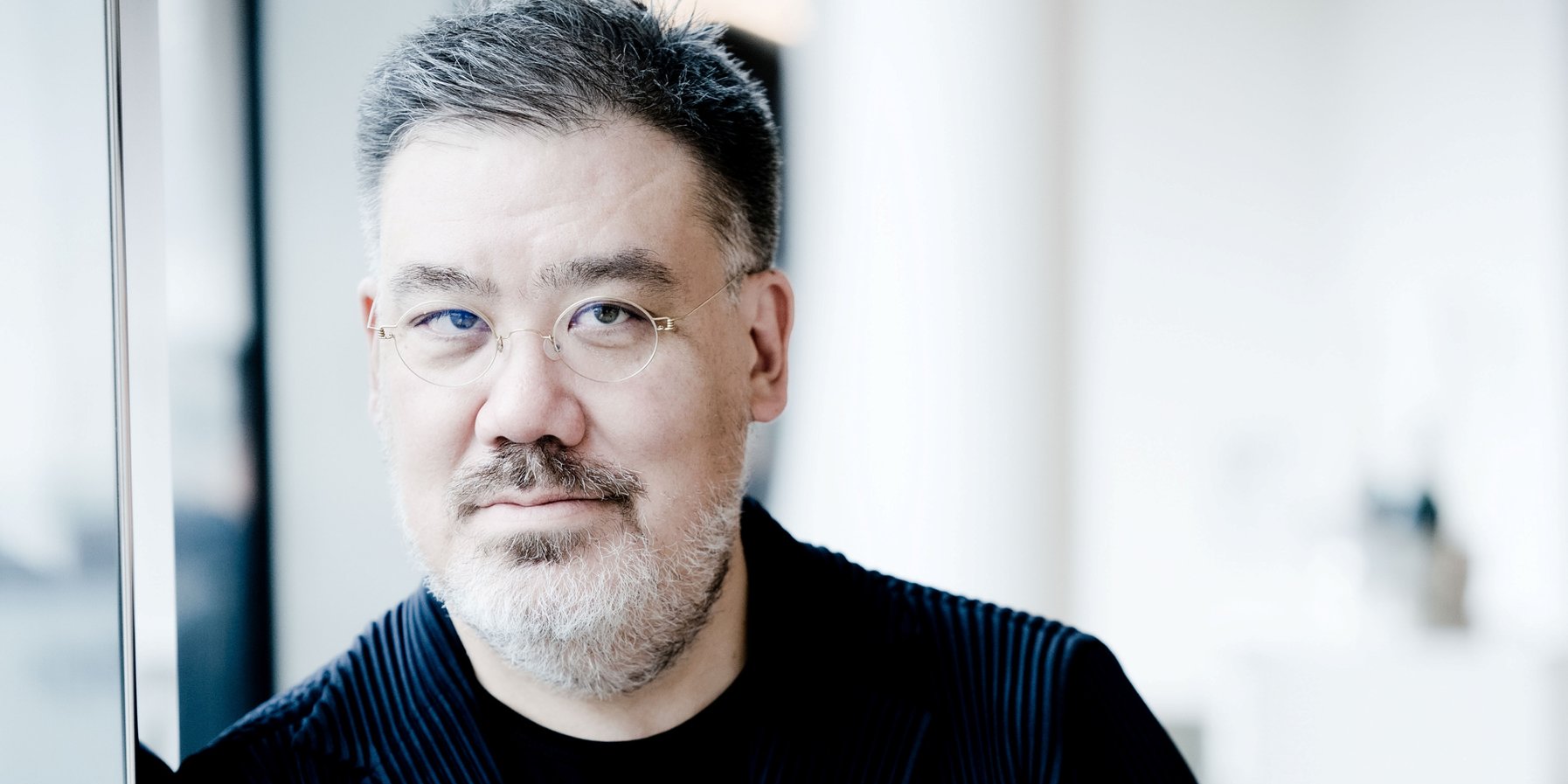
conductor Alan Gilbert
Programme
Jóhann Jóhannsson
Orphic Hymn
Einojuhani Rautavaara
Orpheus singt for Mixed Choir (Text: Rainer Maria Rilke)
Hans Werner Henze
Orpheus Behind the Wire
– Interval –
Ludwig van Beethoven
Symphony No. 3 in E-flat major, Op. 55 »Eroica«


