Interview: Ivana Rajič
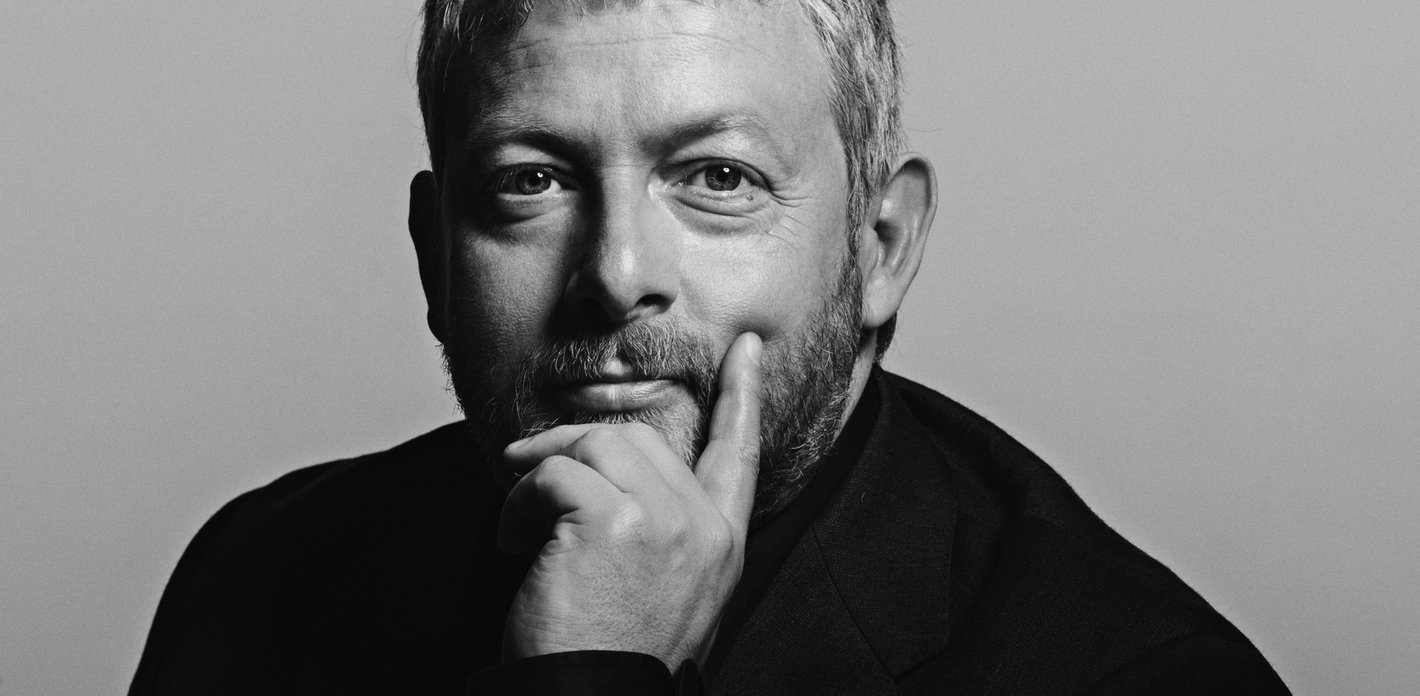
Fabio Biondi brings Baroque music to life – virtuosic, expressive, and full of joy. As the founder and leader of Europa Galante, he shapes the characteristic »Italian sound« and not only brings works by renowned composers such as Claudio Monteverdi and Antonio Vivaldi to life, but also revives forgotten composers on stage. With him, centuries-old music becomes immediately tangible.
His current program at the Laeiszhalle revolves around the Lamento – a sound of pain and reflection – yet Biondi also infuses it with humor, lightness, and hope. In conversation, he speaks about music as a mirror of our present, the courage to embrace optimism, and the joy of exploring beyond the established canon.
Audio introduction to the concert on March 21st
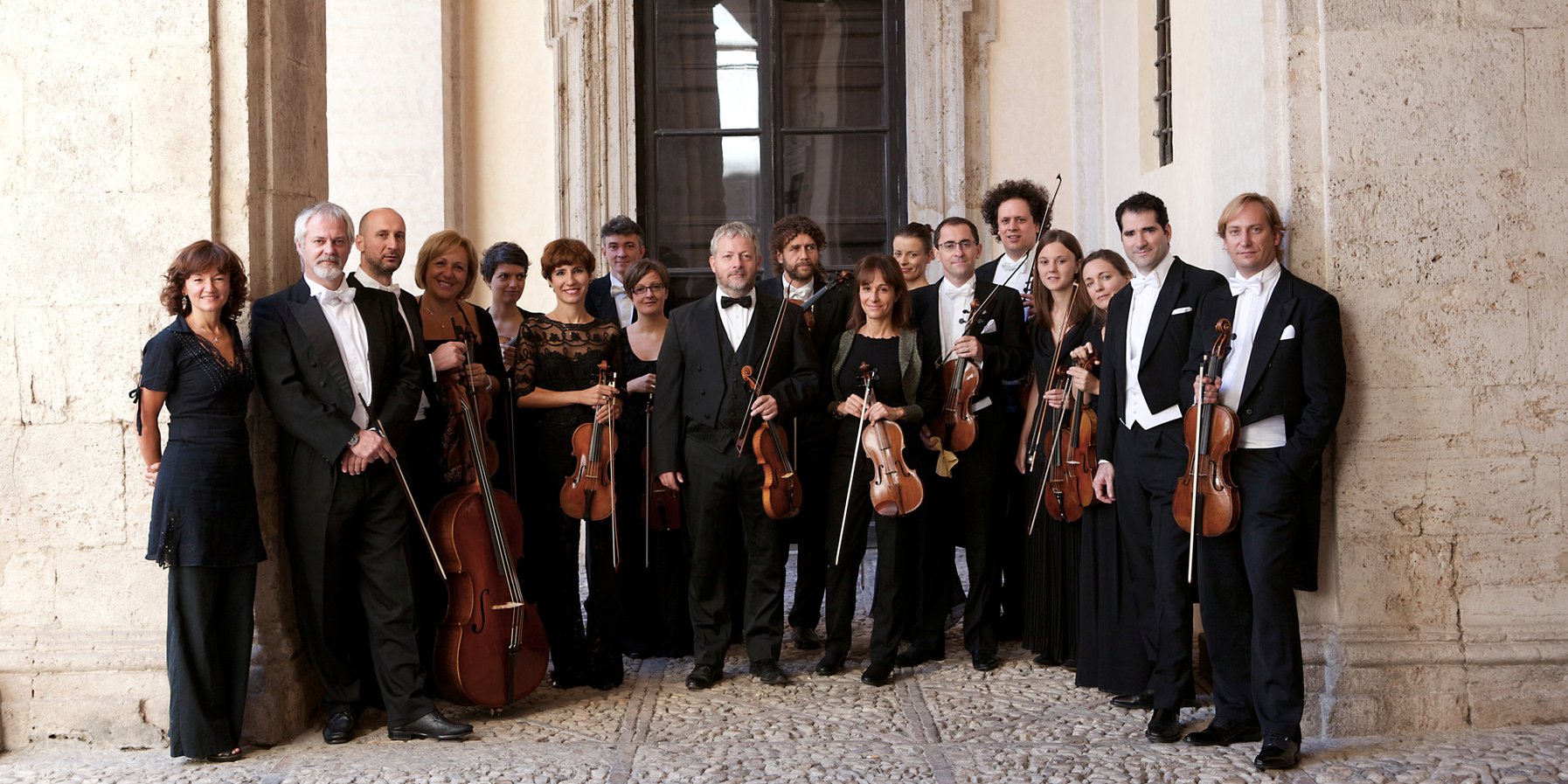
Your concert at the Laeiszhalle with Europa Galante is built around the idea of »lamento« – a musical expression of mourning or deep sorrow. Could you explain the concept of the program?
Fabio Biondi: The idea came from reflecting on the social problems and uncertainties we live with today. There is a sense of existential suffering, and I wanted to explore that musically.
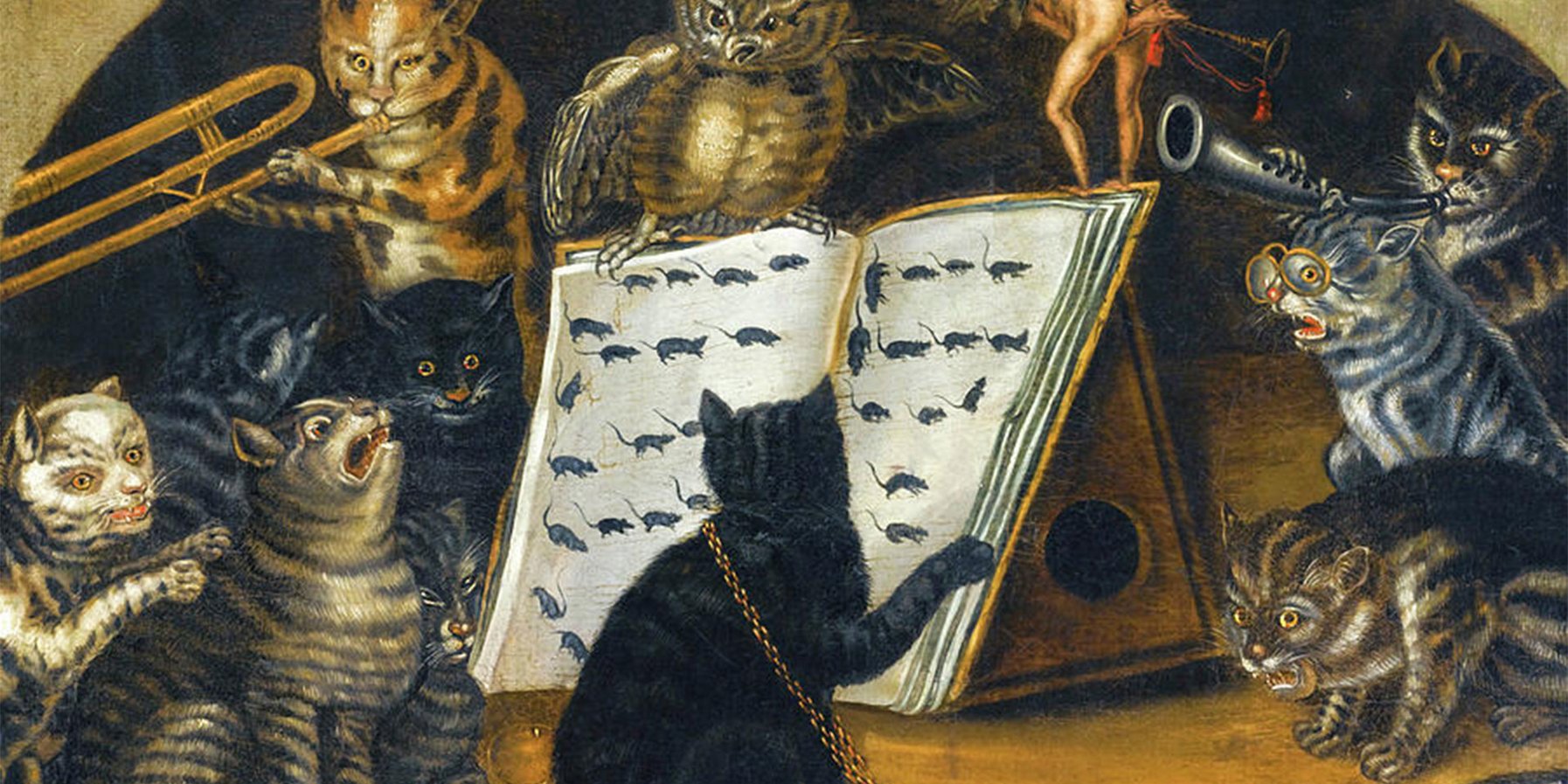
At the center of the program is »Il combattimento di Tancredi e Clorinda« by Claudio Monteverdi – a powerful depiction of war in which a knight unknowingly fights and mortally wounds the woman he loves. There are also instrumental works by composers such as Dario Castello and Girolamo Frescobaldi, which offer moments of deep reflection. But it was very important for me to include something like the »Capriccio stravagante« by Carlo Farina. It is a very light, humorous piece with animal imitations. When we reflect on darkness, we also need moments that allow us to smile.
So the concert is not only about lament, but also about hope?
Yes, absolutely. Honestly, I am no pessimist. To be a pessimist is terrible – especially for the younger generation. We must think deeply about the problems of our society, but we must also give space to optimism. Because I believe in the future.
Music itself is hope. It is a universal language. When you are young, you hear this phrase but you do not fully understand it. Now I understand it perfectly. Music brings people together. We share the same feelings. That is a miracle – and that is what I hope to share in Hamburg.
Europa Galante & Fabio Biondi play Carlo Farinas »Capriccio stravagante«
You will perform this program together with the famous tenor Ian Bostridge. What makes this collaboration special?
Ian Bostridge is a great artist and also a great friend. There is a very strong artistic and personal relationship between us. We have worked together many times, especially on Monteverdi, and there is a deep mutual understanding. He has extraordinary intelligence and sensitivity for the text, which is essential in a program like this—one that expresses extreme intimacy, pain, and reflection.
You are presenting a purely Italian program. With Europa Galante, founded in 1990, you have long spoken about developing a distinct »Italian sound.« What does that mean to you?
When I began working in early music, I felt there was a risk of globalization. Everyone was beginning to play in more or less the same way, with the same sound. For me, it was very important not to forget our origins.
When I speak about »our sound,« I mean an Italian sound—warm, light, active, and deeply connected to our culture. But even within Italy there are differences. The Roman school is not the same as the Neapolitan school, and Venice has its own character. Geography influences sound. We should not think in rigid categories. In the eighteenth century, pitch could change every 30 kilometers. Nothing was fixed. Today we look for global rules, but history teaches us that everything changes constantly—depending on time and place.
Is that constant change what inspires you to return to the same repertoire again and again?
Absolutely. In early music, a terrible mistake is to believe there is only one truth. There were many truths. Music was performed differently in every place in Europe. You can find an Italian style in German music, or a French style in Italian music, because music travelled and was adapted along the way.
This kaleidoscopic nature of music is extremely exciting. For the same piece, there are many possible solutions—depending on the acoustics, the instruments, the hall, and the audience. That is why it never becomes routine. Every performance can reveal something new.

Does the space of the Grand Hall of the Laeiszhalle influence how this program is performed?
Very much. It is fantastic for chamber music. Of course, we are playing music that was often written for very small spaces. The challenge is how to share the same emotion in a large hall. We adjust articulation, phrasing, and balance. We constantly adapt to the acoustic. This is extremely important, because we are not interested in reproducing authenticity in a rigid way. We want to show that we understand this musical language—but we also accept that we are modern performers, living today.
Does the audience also influence your interpretation?
Yes, absolutely. When you walk onto the stage and hear the applause, you immediately feel something. Every place is different. You sense whether the audience is hearing you for the first time, whether there is curiosity, enthusiasm, or perhaps a certain severity. This atmosphere can influence decisions—tempo, phrasing, articulation. Music is alive. In the past, there was a much stronger improvisational mentality. Today we sometimes lose this liberty. But especially in chamber music, rubato (musical tempo marking for a free treatment of tempo in favor of expression) can be invented day by day.
If you look at historical documents, you see that this was normal. Franz Liszt adapted his playing to the character of the audience. Niccolò Paganini did the same. And violinists like Pietro Locatelli performed differently in competitions than in official concerts. That is life—and it is extremely important. Routine, on the other hand, is dangerous. Routine is probably the most tragic thing in music today.
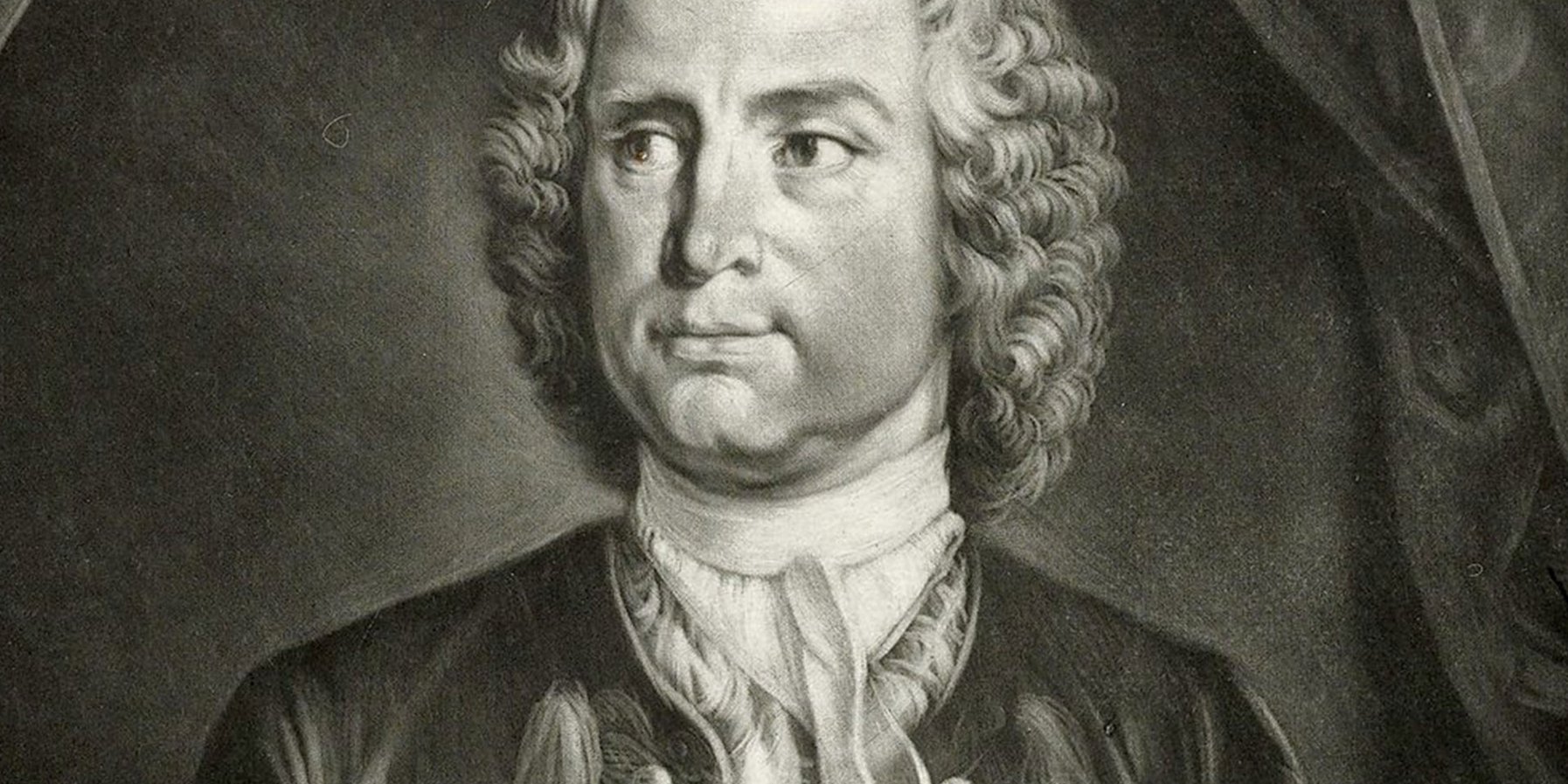
Is it therefore important to you to look beyond the established canon and to perform lesser-known composers such as Pietro Locatelli or Dario Castello?
Yes, but this is a fundamental question, and I am very happy to answer it. The history of music is extremely complex and full of composers who are no longer performed. I think that is a terrible mistake. We have always treated some composers as geniuses and forgotten many others—as if the rest of society did not exist. That is not true. If you love Gioachino Rossini, you should also know the composers around him, such as Saverio Mercadante or Giovanni Pacini. If you admire Robert Schumann, it is important to explore someone like Niels Gade as well.
You also experience composers differently when you understand where they come from—their tradition, their influences, their surroundings. If you know Rossini well, you might hear Puccini differently.
Absolutely. There is a very slow but constant evolution in musical language. I agree with composers like Mendelssohn or Schumann when they say that it is impossible to understand their music without knowing Beethoven or Mozart.
It is very exciting to be a musician today. Our task as performers is to take the audience by the hand and go on a promenade together through a broader musical landscape. When someone comes to me after a concert and says, »I did not know this composer, but the music is beautiful,« that makes me proud. What is important for a performance today is to introduce forgotten composers—to open up a wider history of music.
- Laeiszhalle Großer Saal
Ian Bostridge / Europa Galante / Fabio Biondi
»Lamento« – Works by Claudio Monteverdi, Dario Castello, Sigismondo D’India and others / Das Alte Werk
Past Concert


