
Text: Ivana Rajič, 16 December 2025
Her love of music began in the car. There, where opera arias compete with engine noise and even pop ballads suddenly seem profound. Where the soundtrack from the speakers strikes exactly the right note while, outside, the world passes by like a movie. At least that’s how it was for South African soprano Golda Schultz. »My fondest childhood memories are of travelling with my parents in the car, listening to music,« she says. »I always tapped along to the beat – and then we all sang together.« During a road trip from Johannesburg to Cape Town, for example, the then seven-year-old had a clear musical itinerary: Paul Simon’s album »Graceland«. On endless repeat. For 15 hours non-stop.

But what sounded so effortless coming from the car radio during her childhood was anything but par for the course in apartheid South Africa. The political apparatus of systematic racial segregation – introduced in 1910 and officially ended only in the early 1990s with the election of Nelson Mandela as the country’s first Black president – censored international music, especially Black music: American soul, South African jazz, reggae – all were considered politically subversive.
Classical music, on the other hand, was not openly accessible either, but part of an elitist cultural scene to which Black people had little access – whether in the audience or on stage. After the end of apartheid, many of these institutions were questioned as places of structural exclusion. The fact that singers such as Pretty Yende, Pumeza Matshikiza, Sunnyboy Dladla and Golda Schultz nevertheless began their musical training at precisely these institutions is an expression of a cultural transformation that continues to this day.
Music in a divided world
»As a non-white person, you will always have a hard time in the classical music scene,« the singer says. »That remains interesting and challenging. Many people assume that we have no connection to classical music, no cultural or historical context. But the essence of music is that it is a universal language. Just as mathematics is universally valid.«
For Schultz, this is not just a cliché but a lived reality. Born in Cape Town and raised in Bophuthatswana – one of the so-called homelands that were considered independent under the apartheid system but were in fact isolated – music was always present in her family. Her mother worked as a nurse, her father was a mathematician and an avid music lover. While studying in Freiburg in the 1970s, he discovered a new musical world: Cat Stevens, the Eagles, Simon & Garfunkel – but also Johann Sebastian Bach and Joseph Haydn. He recorded his favourite pieces on cassettes and secretly brought them back to South Africa – classical and pop music as musical souvenirs from a more musically free country.
mit Kiri Te Kanawa
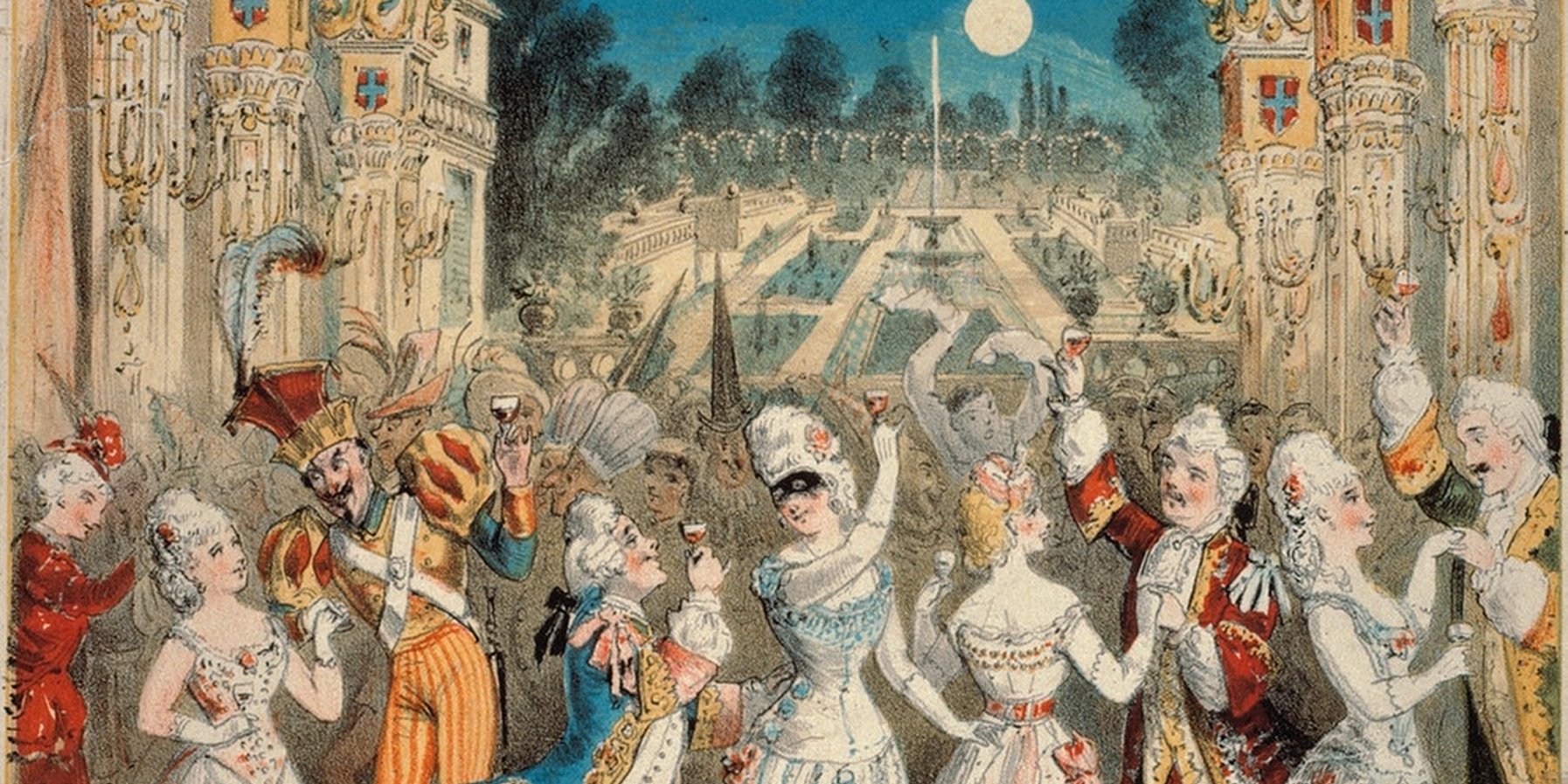
Over time, the collection grew. Owing to his mother’s love of R&B, artists such as George Benson, Whitney Houston, Luther Vandross, The Temptations and other Motown classics found their place within it. Opera entered this musically eclectic household almost by accident – through the voice of Kiri Te Kanawa as Rosalinde in Johann Strauss’ »Die Fledermaus«. Schultz listened to the recording without understanding a single word, yet she instinctively grasped what it conveyed: »I had the feeling that Kiri’s voice sounded as if her thoughts were forming in that very moment.« Later, she read up on what the aria was actually about – and was astonished at how precisely her intuition had led her: Rosalinde, determined to test her husband, disguises herself as a Hungarian countess and conceals her true identity with a folk song she seems to improvise on the spot. »Even without understanding the language, I knew something pivotal was unfolding.« In that instant, Schultz was drawn in – not only by the story, but by opera itself.
From writing to singing
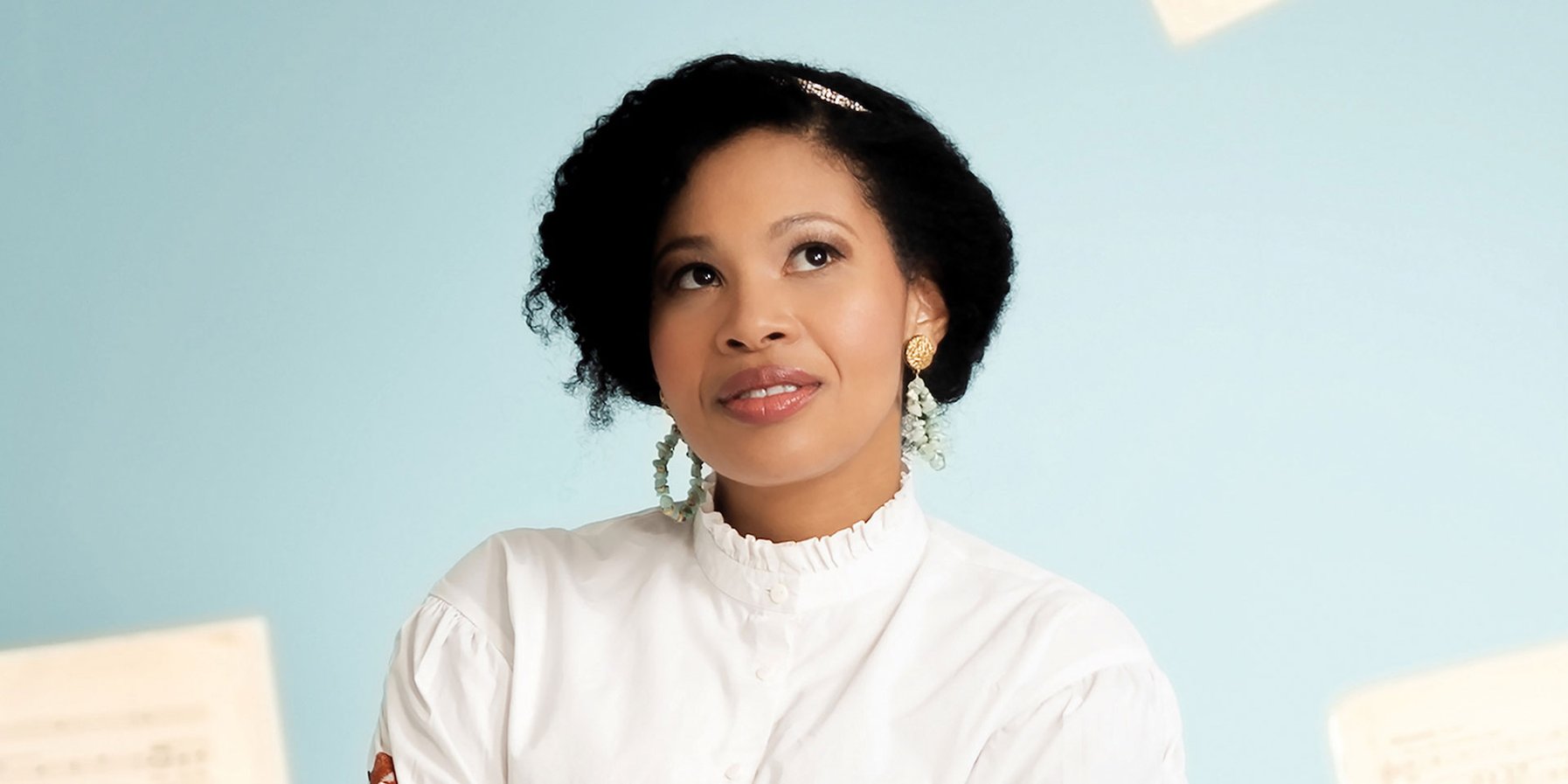
Golda Schultz had originally wanted to write stories, not sing. In Grahamstown, she began studying journalism with the aim of critically engaging in and shaping the social discourse. »Life is always political,« she says. »In South Africa, we are all acutely aware of that.« Yet while working on her thesis, a shift occurred: instead of immersing herself in media theory or newspaper articles, she found herself increasingly drawn into the world of opera; her room was strewn with sheet music. »I wanted to understand more deeply what made it so compelling and how I might share that fascination with others. I was completely absorbed.« The path ahead was not yet defined – but the direction was clear.
She chose to study singing, first in Cape Town and later at the Juilliard School in New York. Her first engagement led her to the opera studio of the Bavarian State Opera – a milestone on the road to her international career. Performances in Vienna and London followed, as well as appearances at the Metropolitan Opera in New York and the Salzburg Festival. Today, Schultz lives with her husband in Augsburg, Bavaria, but travels regularly between the world’s leading stages. What consistently accompanies her is a clear political stance – including in her artistic work. This is reflected not least in her very conscious choice of repertoire.
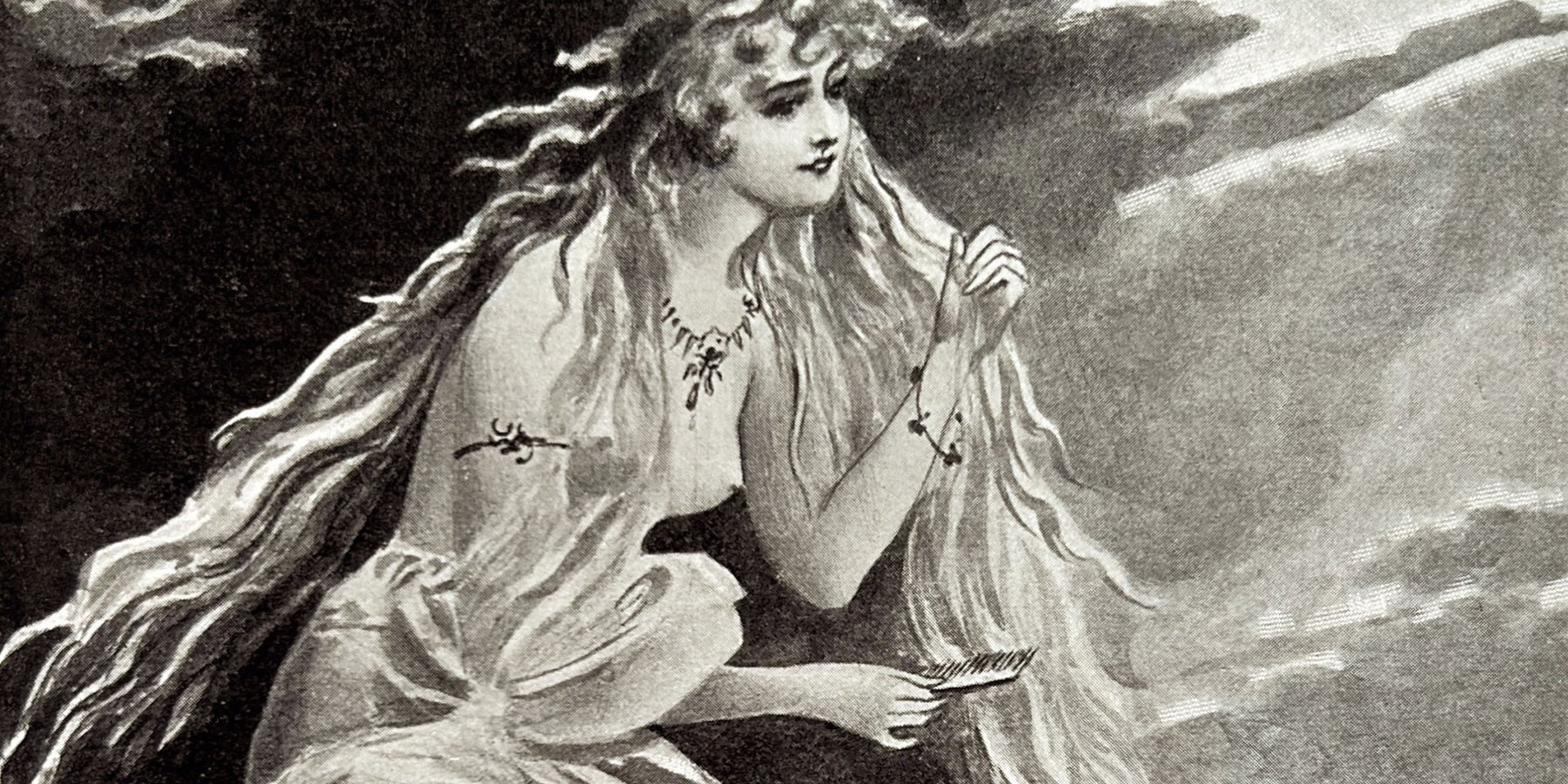
Golda Schultz sings Clara Schumann’s »Lorelei«
The power of one’s own narrative
Her debut CD was a clear statement: a programme of songs consisting exclusively of works by female composers, far removed from standard repertoire. While many of her colleagues use their first release to showcase their vocal talents with well-known arias, Schultz deliberately opted for a different path. For centuries, women’s experiences have been told and set to music by men. This was true of Gretchen and her first love – imagined by Goethe and composed by Schubert – and of the Loreley, who in countless versions became a projection of male fantasy: as the forsaken woman in Brentano, the mystical seductress in Heine, the ballad heroine in Schumann.
»What if women told their own stories?« This question became the point of departure for the album. Schultz explored »what it means to be a woman – married, alone, in the world, in art« with two close friends: composer Kathleen Tagg and librettist Lila Palmer. They shared personal experiences, challenges and hopes about being a woman in a world shaped by expectation, about role models, relationships and self-determination.
The outcome of these intense discussions ultimately found expression in three songs that bring together Palmer’s sensitive lyrics with Tagg’s powerful music: »After Philip Larkin«, »Wedding« and »Single Bed«. These new works appear on the album alongside compositions by Clara Schumann, who in her lifetime was far more renowned than her husband Robert; by Nadia Boulanger, the pre-eminent music pedagogue of the 20th century; by Emilie Mayer, once celebrated as the »female Beethoven«; and by Rebecca Clarke, who composed at the beginning of the last century against her father’s wishes and without his financial support. »These are all women who had so much to say – and who were simply not given sufficient space,« says Schultz.
Jetzt reinhören!
Mozart drives her crazy
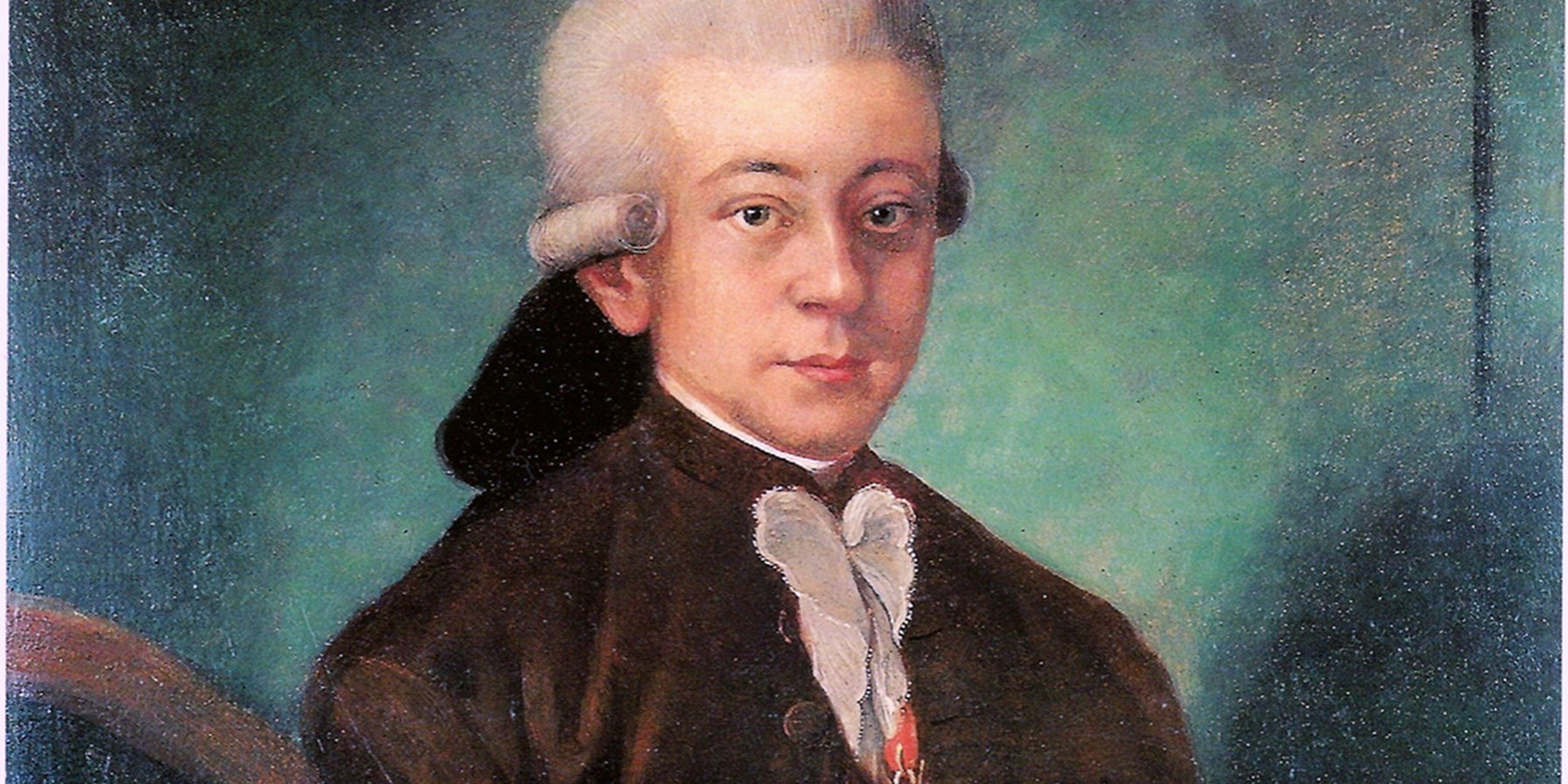
After focusing on overlooked female composers, Golda Schultz turned to the opposite: the music of a universally acknowledged genius. For her second album, released in 2024, she took on Mozart of all people. »Mozart, You Drive Me Crazy!« is the tongue-in-cheek title of this declaration of love. It echoes a Britney Spears earworm she listened to over and over as a teenager – and it fits, because Mozart really does drive her crazy: with music that sounds as light as a feather yet is mercilessly difficult to sing. And with female characters who transcend operatic cliché, revealing themselves as complex individuals: Donna Anna, the Countess, Fiordiligi, Dorabella – all of them experience crises, fail, grow. »In the end,« says Schultz, »none of these women are the same as they were at the beginning.« It is this transformation that interests her, this exploration of the human dimension within each role.
Accompanied by the Kammerakademie Potsdam under Antonello Manacorda, she also brings this programme to the concert stage. Great arias and heavenly coloraturas – for Golda Schultz, these are never means to an end in themselves. They are simply compelling stories. And she tells them superbly. With feeling. With poise. With depth.
This portrait appeared in the Elbphilharmonie Magazine (issue 01/26)
- Elbphilharmonie Großer Saal
Golda Schultz / Kammerakademie Potsdam
Wolfgang Amadeus Mozart: Selected arias, »Jupiter« Symphony
Past Concert


