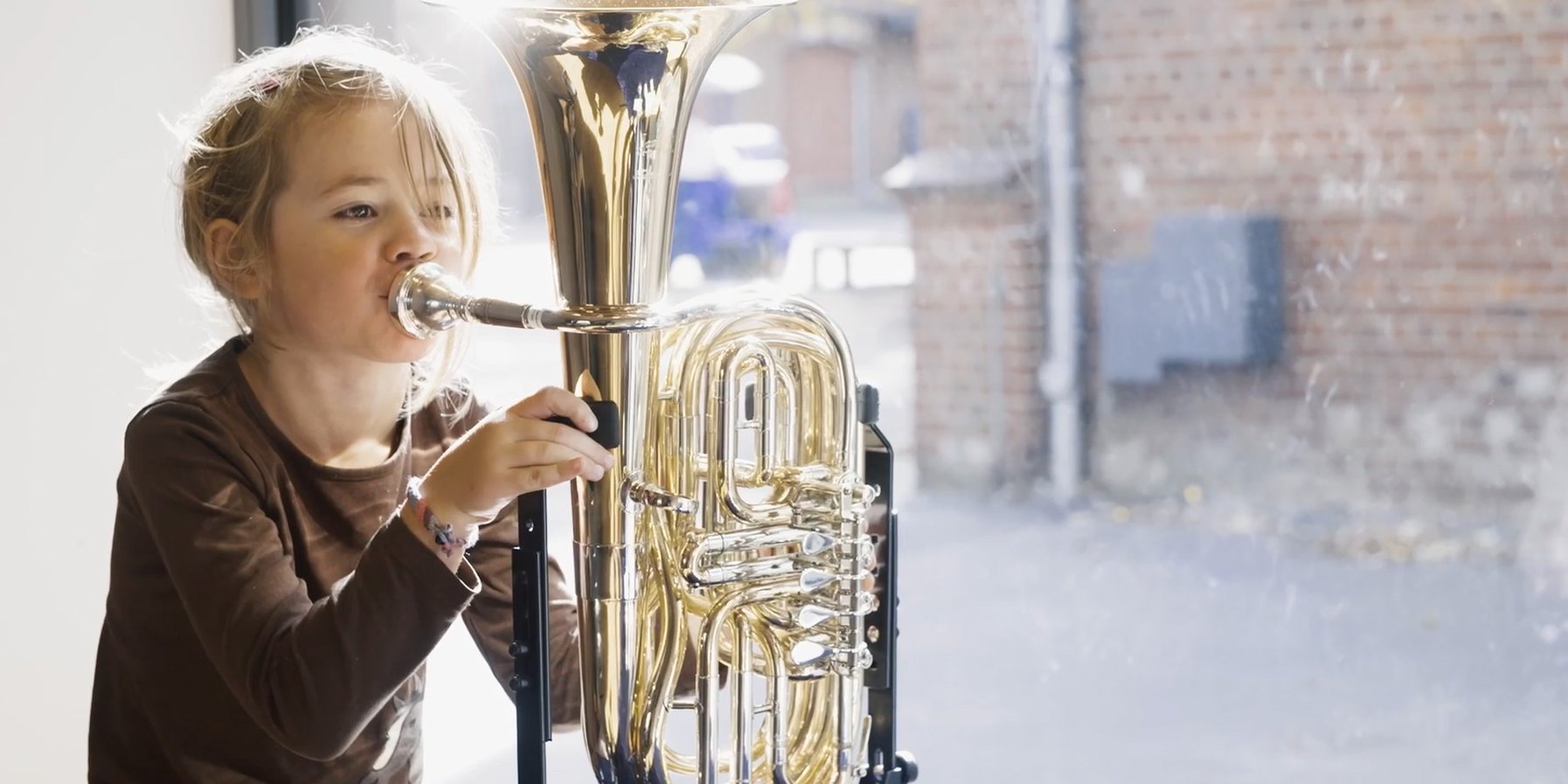
When people think of the Elbphilharmonie, it is often the sold-out evening concerts, the spectacular view from the Plaza, or the constant stream of visitors that come to mind. But every year, around 60,000 guests experience the Elbphilharmonie in an entirely different way. Early in the morning, as the sun rises over the River Elbe, the first school classes gather outside to take part in one of the ever-popular »World of Instruments« workshops or to attend concerts in the Grand Hall or Recital Hall, designed especially for young audiences. Others come regularly to rehearse for months on end for an amateur ensemble concert or for the final performance of a community project they have helped bring to life.
Around 30 members of the Elbphilharmonie and Laeiszhalle team plan roughly 1,000 such events every season. These events are all about making and exploring music – turning the Elbphilharmonie into far more than a concert hall. It becomes a place for adventure and experimentation, exchange and team work, learning and more than just one or two life-changing encounters.
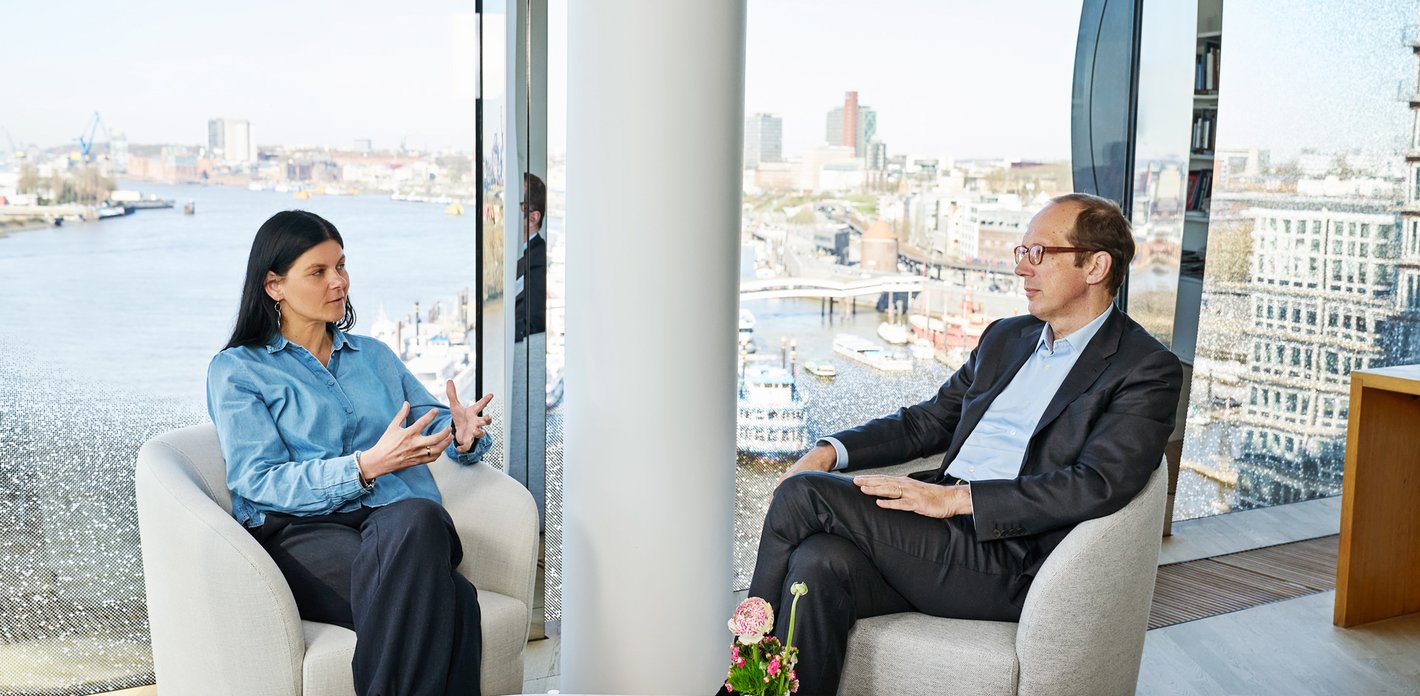
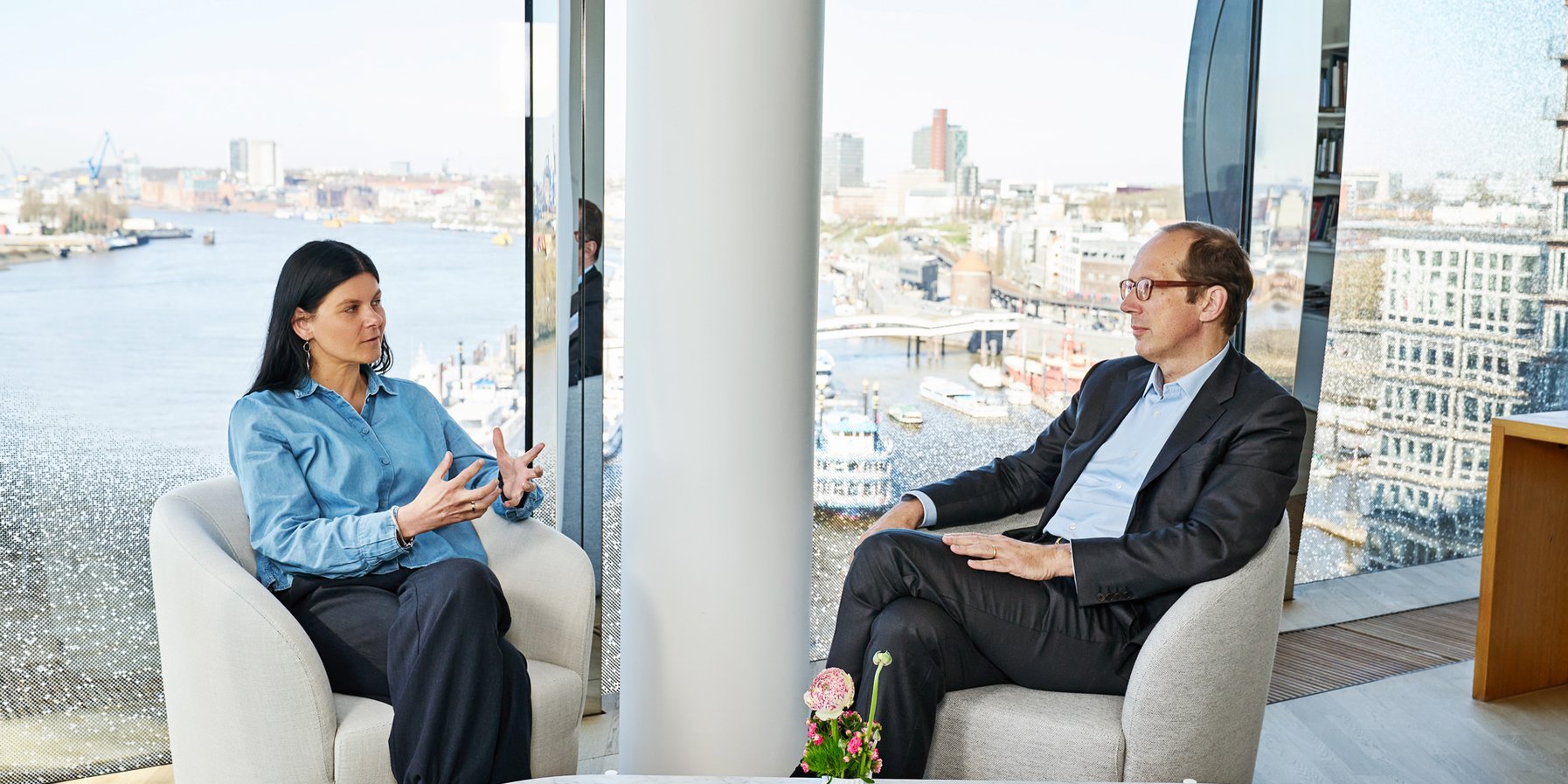
The programme is aimed at everyone, with or without musical training. In this interview, General & Artistic Director Christoph Lieben-Seutter and Anke Fischer, Head of the Music Education Department, talk about the diverse range of offerings, their visions and the music education programme in the context of the Elbphilharmonie’s artistic and social identity.
Music for everyone :A video about the Elbphilharmonie's music education programme
Interview
Interview: Julika von Werder
Before the Elbphilharmonie opened, Hamburg’s then-mayor Olaf Scholz said that every child in Hamburg should visit the Elbphilharmonie at least once. Is that happening?
Christoph Lieben-Seutter: Yes – and actually we’re going further than that. We take our mission to be a place for the city’s children very seriously. And we believe once isn’t enough – children should have the chance to visit several times.
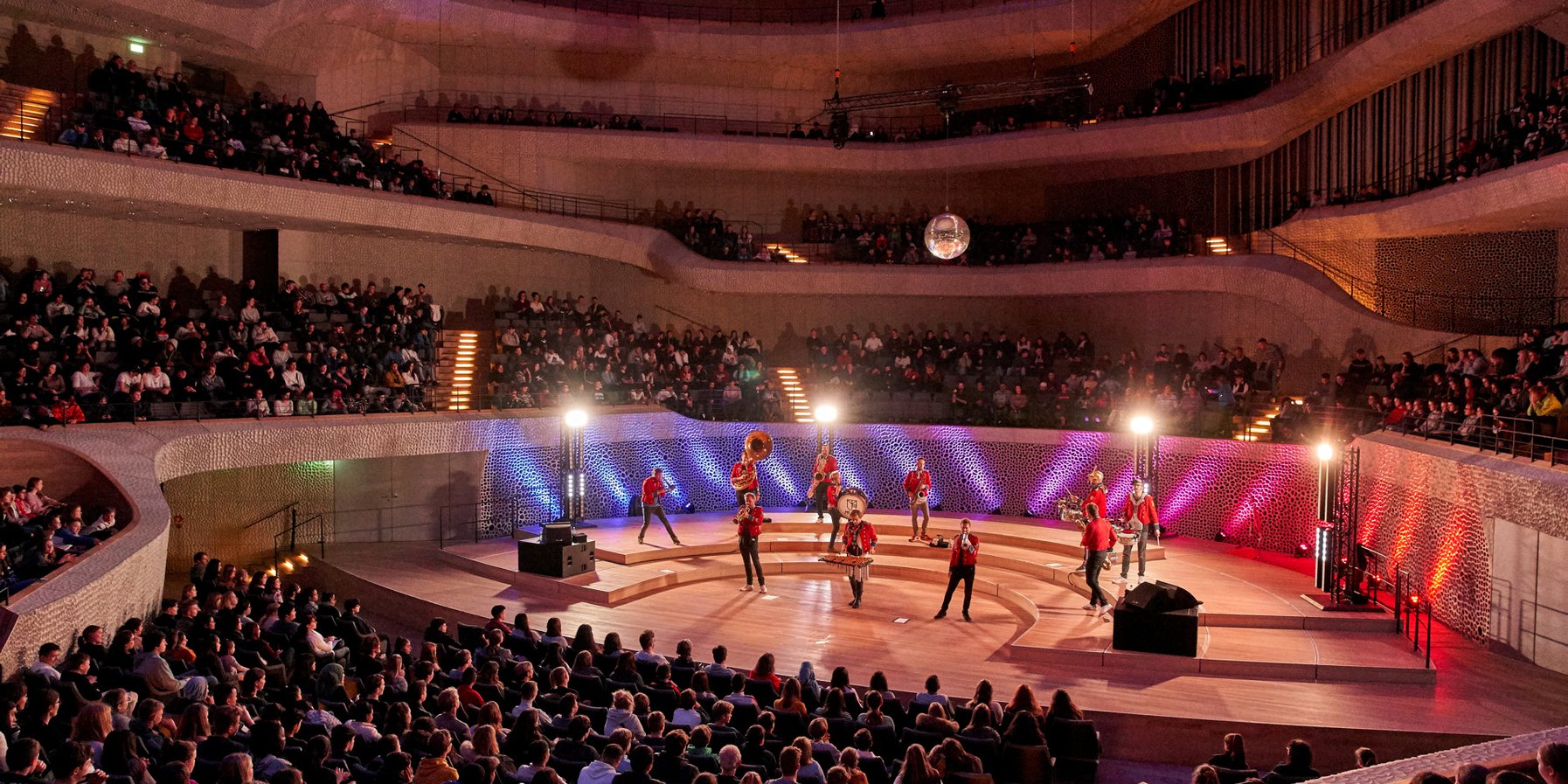
Anke Fischer: Our programme covers all ages, from nursery right through to when children leave school. The musical learning experiences we provide range from workshops focused on the world of instruments and school concerts to the »Future Music« format for upper grades, in which students can attend regular concerts and meet the artists beforehand. When we ask during school concerts who has been here before, well over half of the children now raise their hands.
But the Elbphilharmonie’s music education programme isn’t just for children, right?
Lieben-Seutter: That is true. From the very beginning, the aim of the city’s parliament was not only to build one of the best concert halls in the world, but also to create a venue for everyone. Our music education programme isn’t primarily intended as a means of educating the public. We believe that the Elbphilharmonie has the very broad task of having an impact on society and giving everyone the opportunity to experience music. That’s why education has always been a core part of our artistic programme. Our diverse range of activities is so integrated into the overall programme of the Elbphilharmonie and Laeiszhalle that it can be hard to see just how much is happening.
So what exactly does music education encompass?
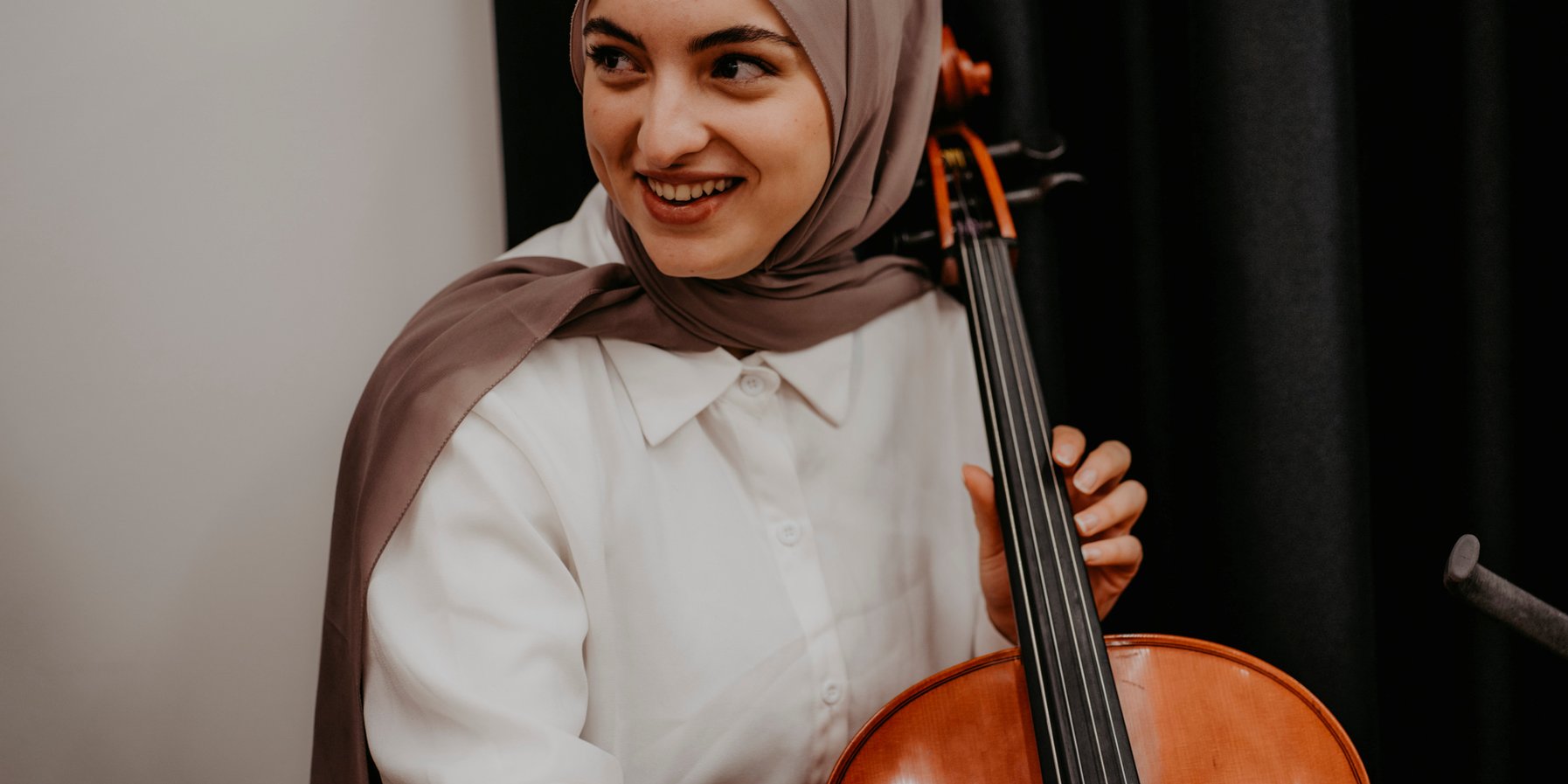
Fischer: For us, it’s an extensive field. It’s less about teaching people about classical concerts and more about creating opportunities for participation and encounters with music here throughout all stages of life.
Lieben-Seutter: Some say that everything we do is music education – and there’s some truth to that. When you consider the effort we put into programme booklets, pre-concert talks and multimedia content, it’s clear that we are constantly offering ways to engage with music.


So it’s less about explaining and more about experiencing?
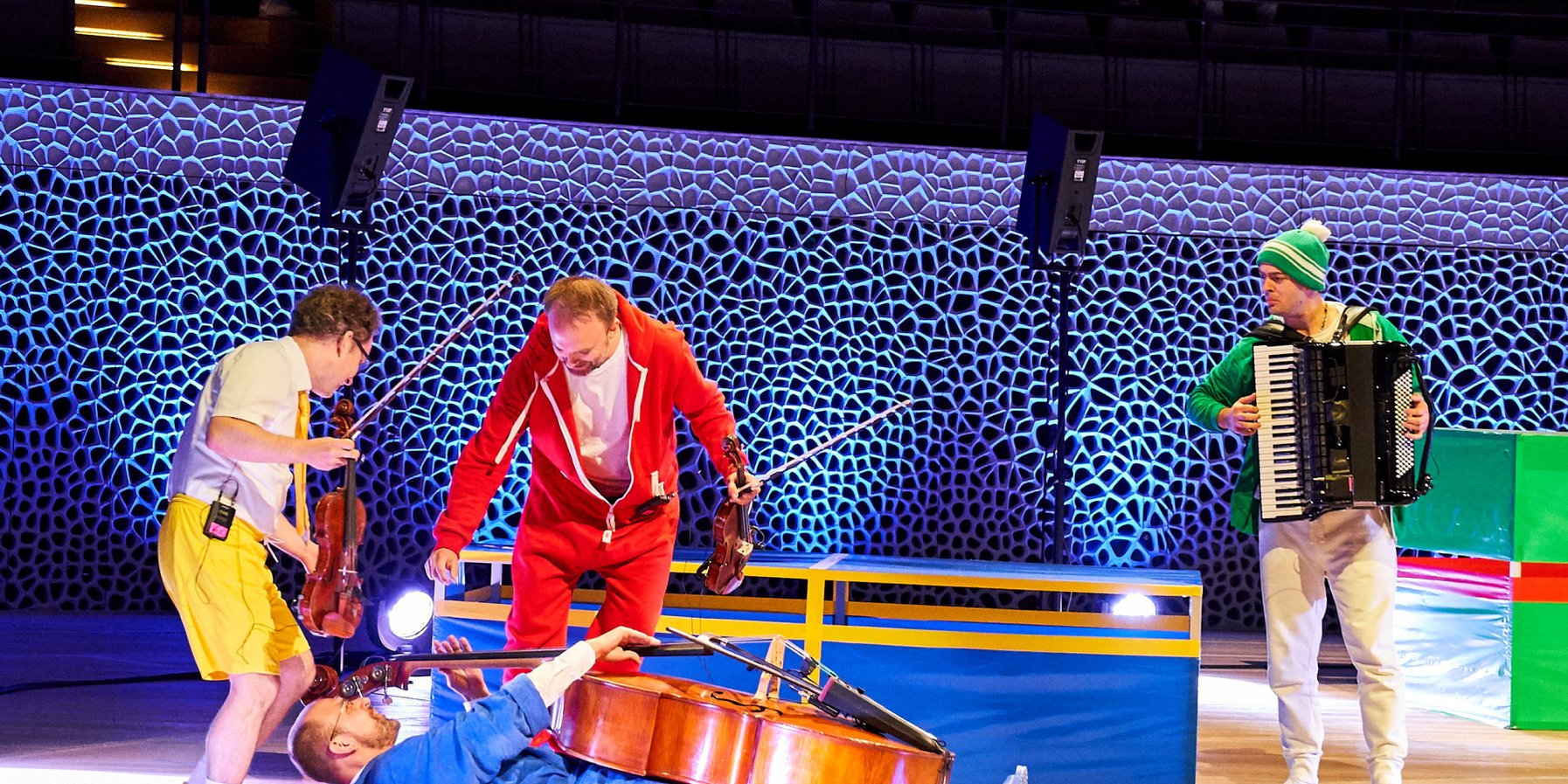
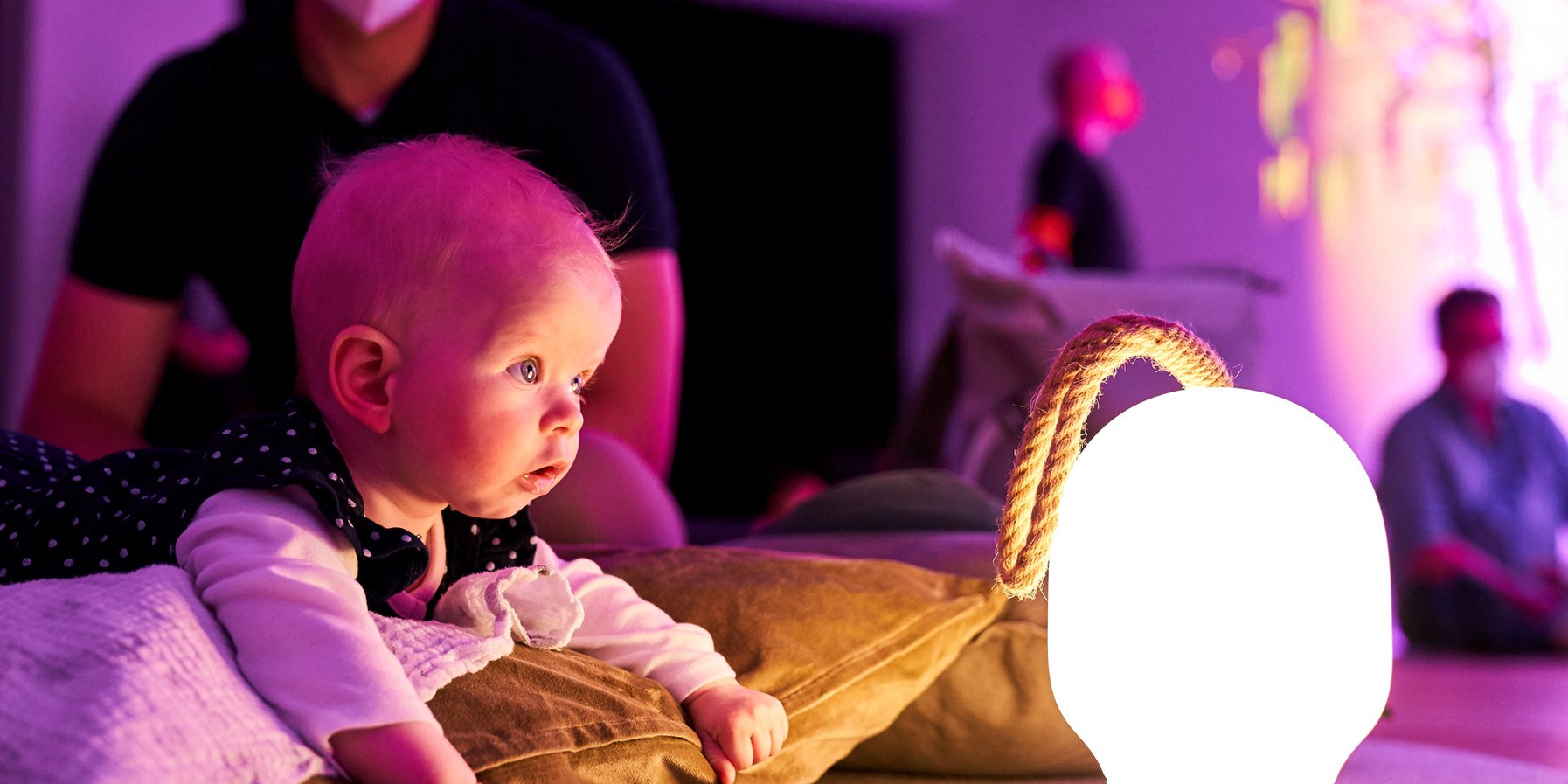
Lieben-Seutter: Yes, definitely. The »Twinkle Concerts«, for example, are like small theatre productions with dramaturgy, costumes, lighting and video. We don’t normally explain who Mozart was or how a clarinet works – so we take children on a journey that sparks their imagination and gives them the experience of sharing something special with a few hundred strangers.
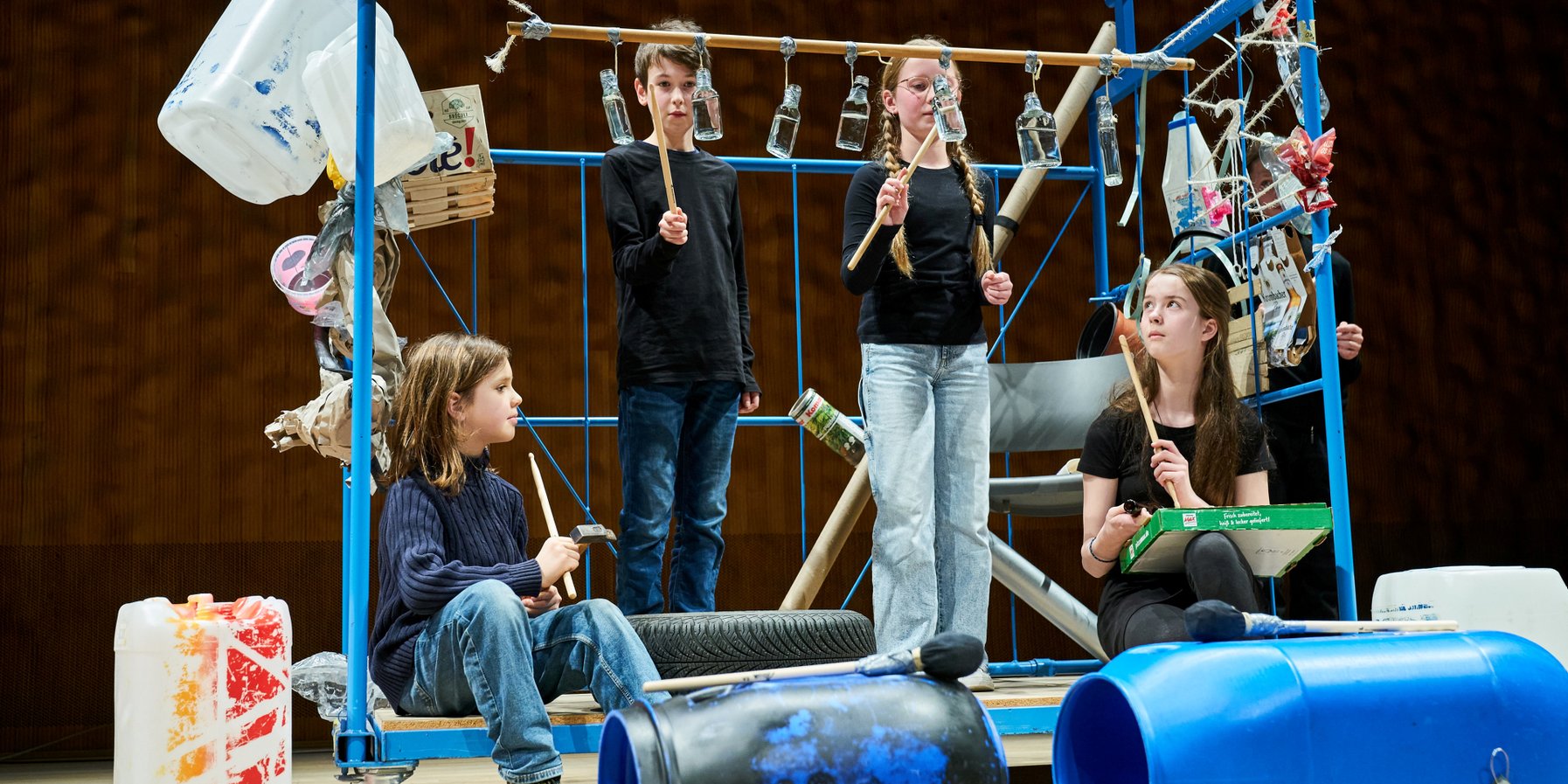
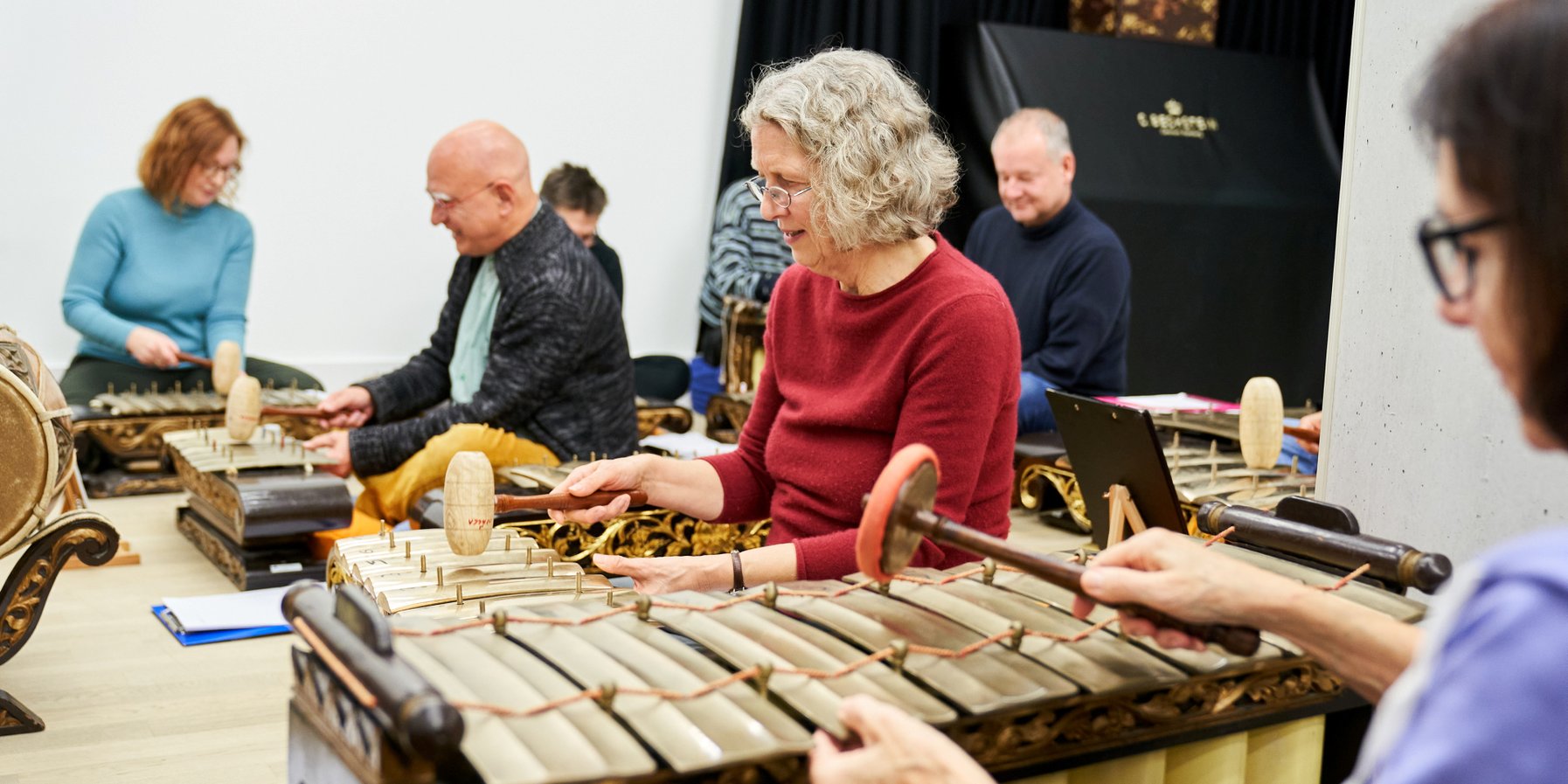
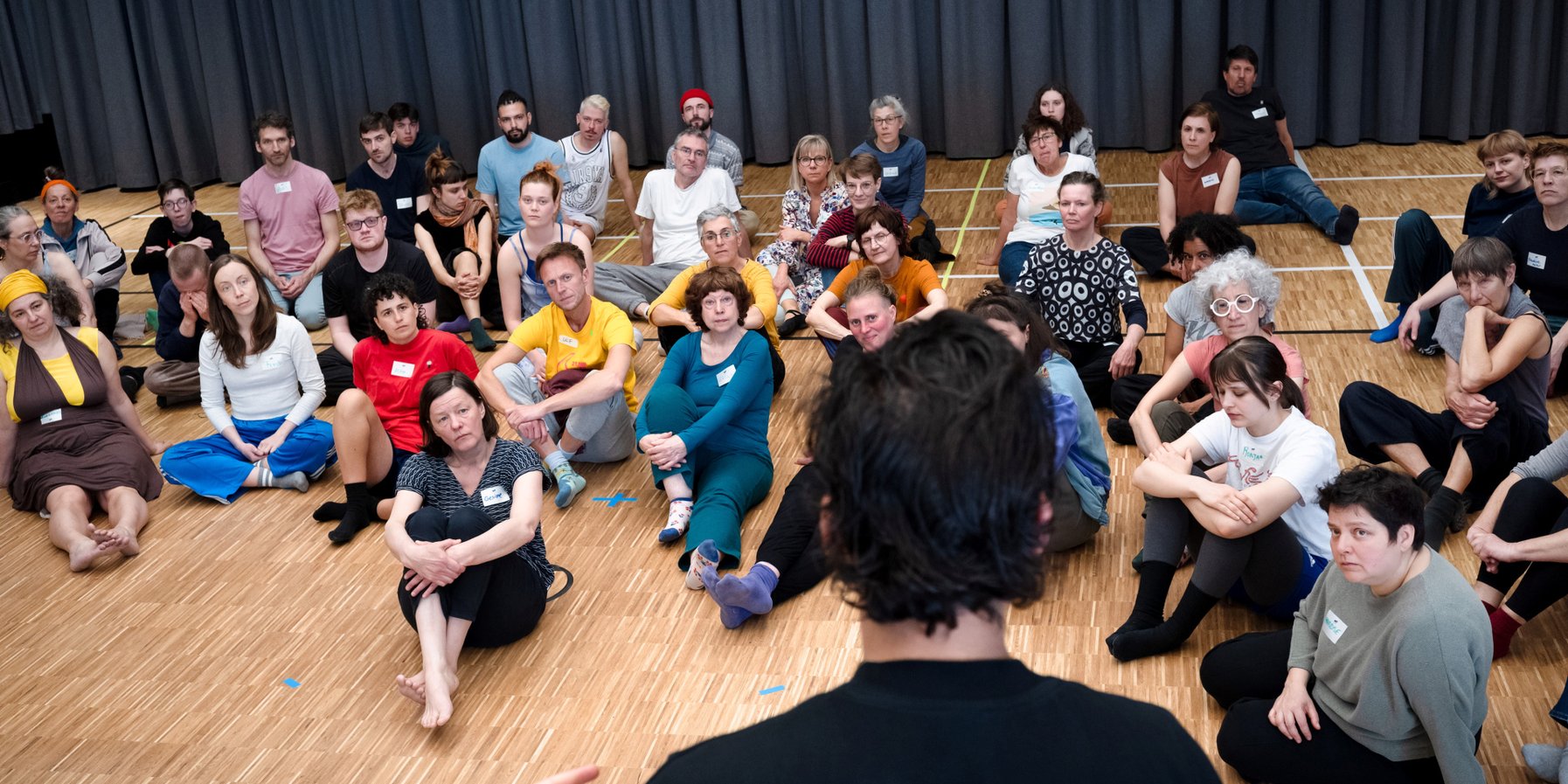
Fischer: Aside from the shared experience, participation is also key. In the »World of Instruments« workshops, participants often say how nice the atmosphere is and that everyone feels accepted for what they want to and can do. Although the basic idea is to get to know the different instruments and try them out without any prior knowledge, by the end they are often able to play a short piece together. This gives everyone an important sense of achievement and allows them to experience what it means to work together, get to know each other in a different way, and express themselves.
So it’s all about participation. What other formats are there?
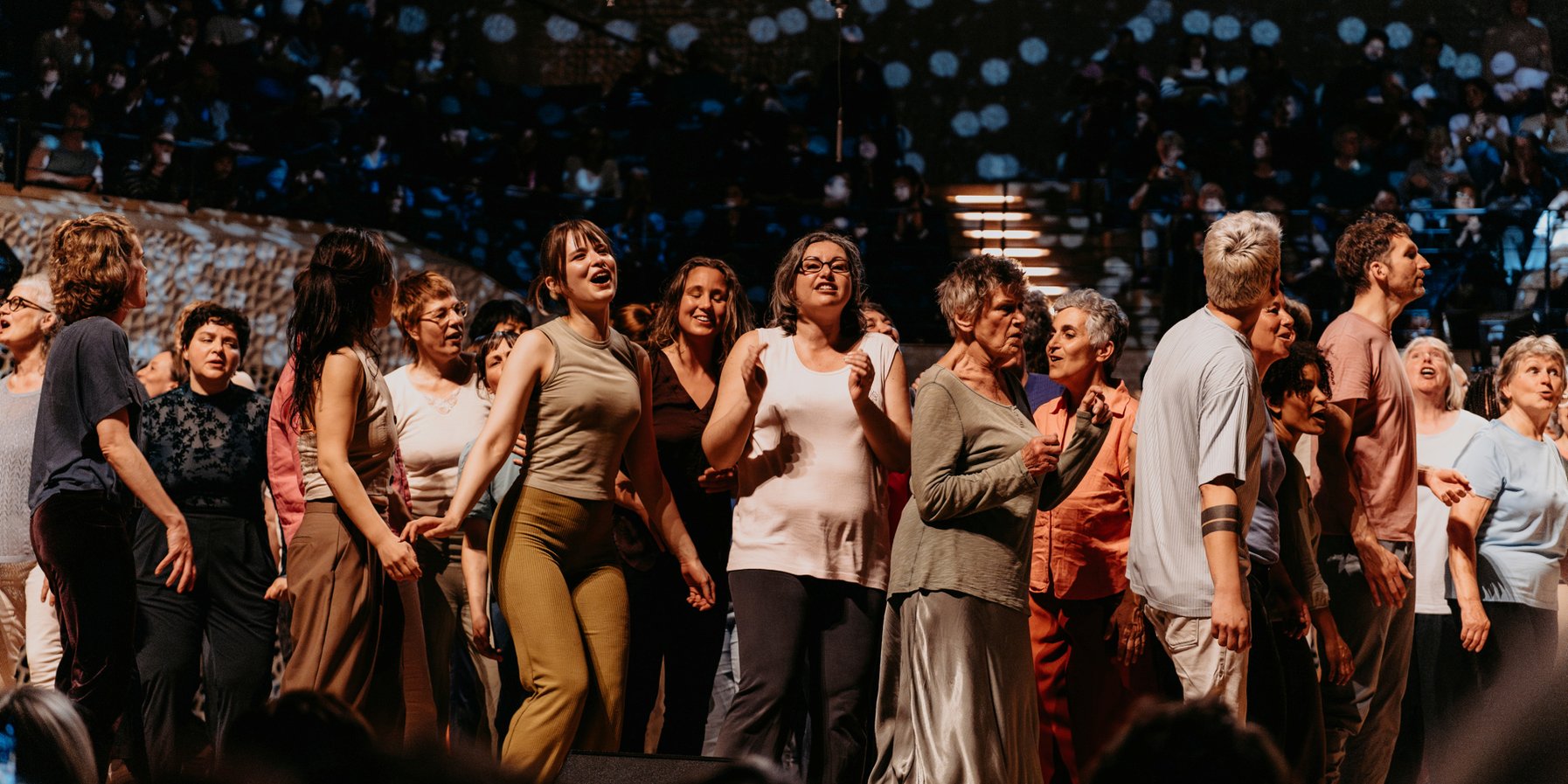
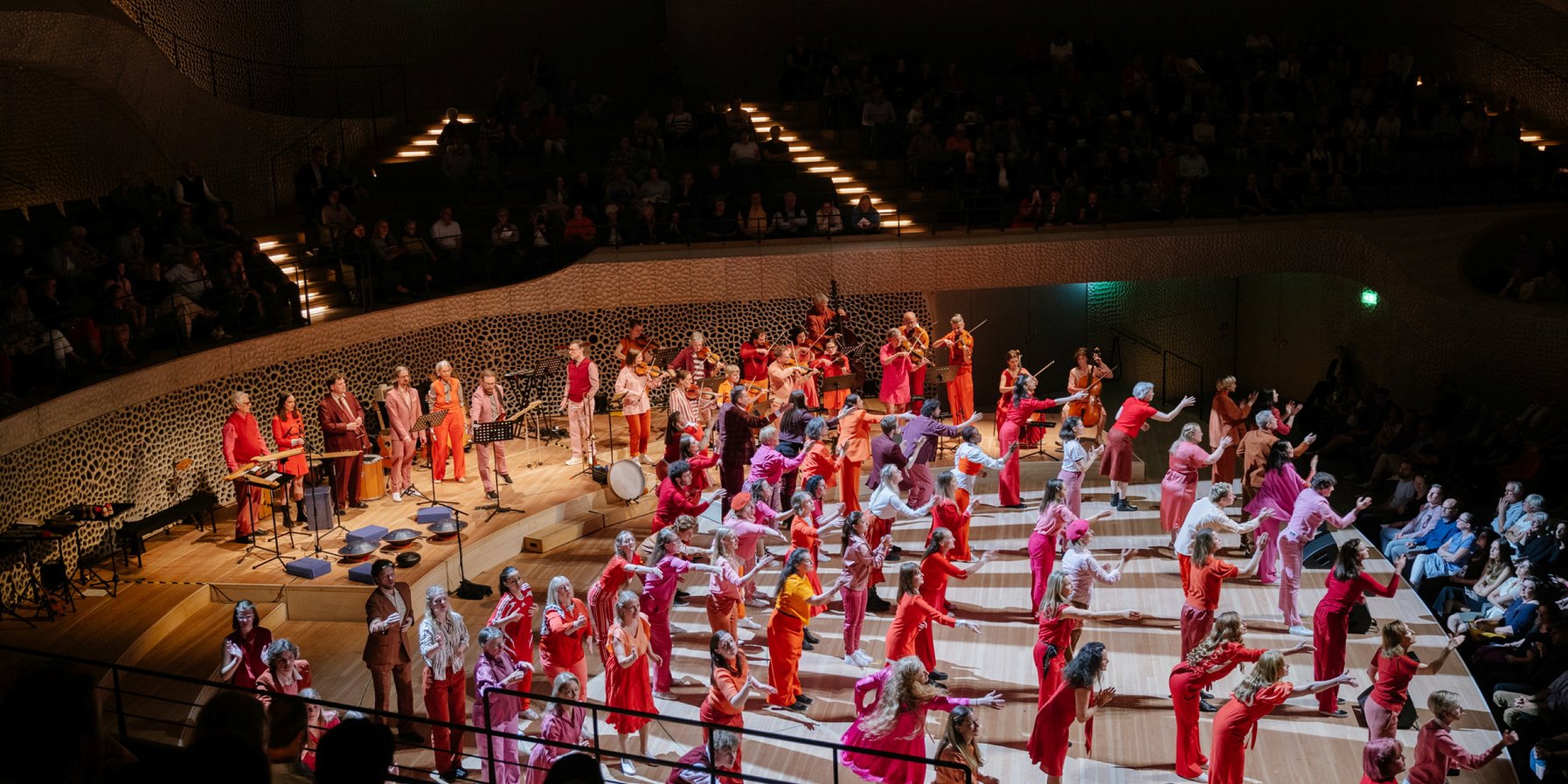
Fischer: There is, of course, a range of ensembles that people can participate in as well as formats such as »How to Concert«, where young people plan and stage their own concert in the Recital Hall – from the idea and programming right through to the promotion and performance itself. I’m especially proud of our larger community projects, as I think they’re particularly vital when it comes to social policy. People of all ages and backgrounds work together for six months on an interdisciplinary stage production – with texts, singing, dance and acting. Up to 100 participants are guided by professionals through the creative process as they develop a musical performance from scratch. The final performance in the Recital Hall or Grand Hall is a very special moment. Giving your best on the stage of the Elbphilharmonie and then receiving recognition from the audience can be a life-changing experience.
Community Project »Futur X« (2025)
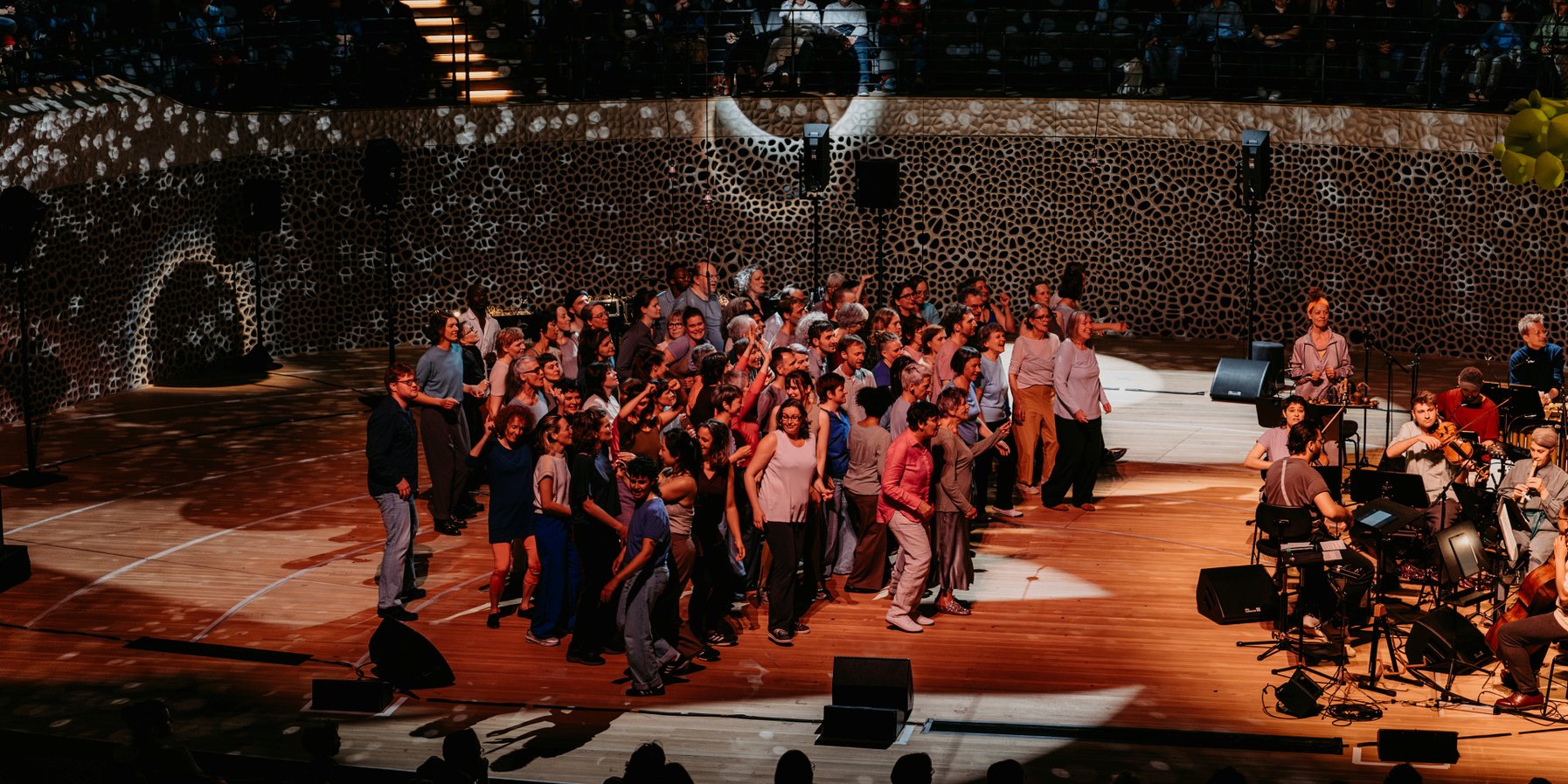
Lieben-Seutter: Incidentally, that’s something that sets us apart – we regard these participatory formats as seriously as guest performances from international orchestras. When a group of amateurs performs in the Grand Hall, they are treated in exactly the same way as the Vienna Philharmonic – with an equal level of artist support and technical expertise, as well as comparable advertising and programme booklets.
Besides the community projects, there are other programmes happening in Hamburg’s various districts.
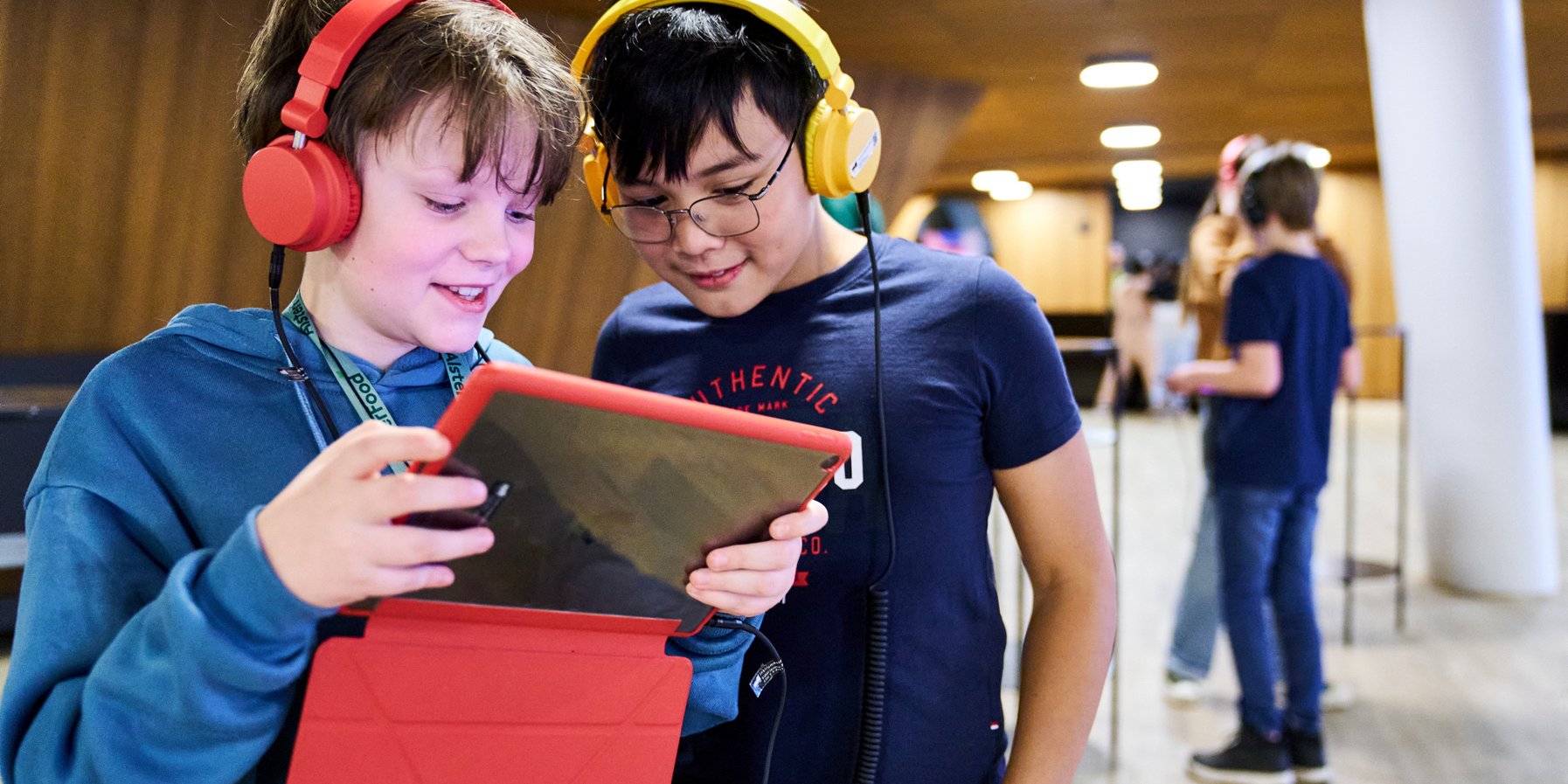
Fischer: Yes, that is due to the fact that, for various reasons, people don’t find their way to us. For example, we regularly organise concerts for people with dementia, who are often unable to leave their facilities – so we call on them instead. Since daycare groups often aren’t able to visit the Elbphilharmonie either, many of our productions are designed to be easily transported and set up on site. We also offer training for educators, enabling them to use tools like our »Sound Chest« directly in their own facilities.
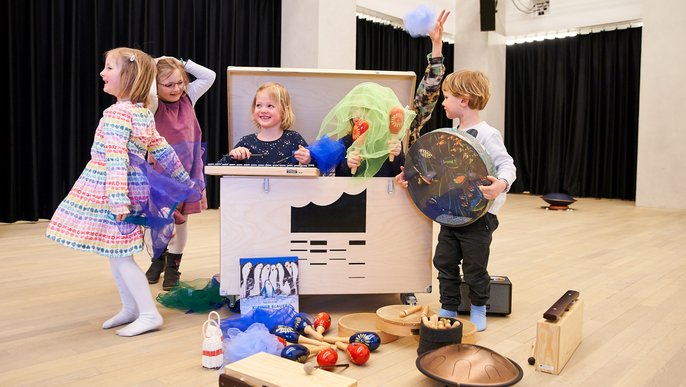
Lieben-Seutter: It’s worth mentioning that we first started going into the city’s neigh-bourhoods out of necessity: as everyone knows, the opening of the Elbphilharmonie was somewhat delayed. So, in addition to our programme at the Laeiszhalle, we brought musical learning experiences to cultural centres all over Hamburg. It worked so well that we decided to keep doing it even after the Elbphilharmonie finally opened.
What role should the Elbphilharmonie play in society? Is there a clear educational mission?
Lieben-Seutter: I see our mission on a very fundamental level: we humans are social beings. We have an existential need to experience things together with others – whether as an audience or, even better, as active participants. We provide the space for that, in a wide variety of contexts. Rapid technological developments are also relevant here. We are now raising the first generation of children who primarily interact with the world through electronic media and social platforms. Many have not learned to discuss, negotiate and explore the world with each other in person. It is crucial to work with these young people in these participatory formats, to involve everyone, to solve problems together – and to culminate in the joy of a successful stage performance. At best, this process strengthens both personality and community.
Fischer: ...and now, I would add, it also strengthens democracy. Music gives people the chance to create something together – across cultural and generational boundaries. The emotional immediacy of music fosters cohesion without excluding anyone. Our projects create space for people who might never have felt addressed by the Elbphilharmonie otherwise. That’s why I’m proud of the position music education holds here. With around 30 people, we are probably one of the largest music education departments in the world.
»hen we see all those shining eyes, we know we’ve done something right.«
What are your visions and plans for the future?
Lieben-Seutter: The musical spectrum is constantly widening, reflecting our increasingly diverse society. We already offer projects across all genres, but there’s still much to learn about how to include everyone meaningfully and respect their cultural roots – while also sharing and enjoying the classical music tradition for which the Elbphilharmonie was originally built.
Fischer: There is no shortage of ideas and visions – music education is developing rapidly. Our goal is to keep creating artistic spaces where as many people as possible can participate and help shape and co-create them. A great example was the project »Let’s Play«, where a well-known gamer played a computer game live on the Grand Hall stage, accompanied by an orchestra and a sound effects artist. The event was streamed on Twitch and reached an incredible number of people, many of whom would otherwise not have engaged with the Elbphilharmonie.

Even though we receive a lot of positive feedback, we are constantly rethinking our formats and exchanging ideas with other concert halls. This is also why, together with the Körber-Stiftung, we have hosted the international congress »The Art of Music Education« every two years since 2008, exploring the future of music education. The journey is far from over – it remains as exciting as ever...
When do you know you’ve done a good job?
Lieben-Seutter: You can feel it immediately in the atmosphere of the hall. How focused was the audience? How enthusiastic did they look? When we see all those shining eyes, we know we’ve done something right.
Digitales Angebot in der Elbphilharmonie Mediathek
Podcasts, Streams und Videos: Beiträge für Kinder in der Elbphilharmonie Mediathek


