Text: Albrecht Selge, März 2026
Wo ist Henze?« Diese Frage könnte man heute stellen, und warum nicht in Anlehnung an den Satz, der einst in ganz (West-)Deutschland geläufig war: »Wo ist Behle?« So rief es unermüdlich der Sportreporter Moravetz bei der Fernsehübertragung der Olympischen Winterspiele 1980 ins Mikrofon, auf der vergeblichen Suche nach einem zwischenzeitlich führenden, doch dann von der Kamera vergessenen deutschen Skilangläufer; noch 1998 nahm Marius Müller-Westernhagen einen Song mit dem Titel »Wo ist Behle?« auf. Vielleicht sollte im Jahr 2026 einmal ein Star der avancierten Gegenwartsmusik ein solches Stück komponieren, mit den irritierten Fragen frei nach Moravetz: »Was ist mit Henze? Wo ist Henze? Wir wissen nichts, wir sehen [und hören] ihn nicht. Henze ist weg.«
-
Kurzbiografie
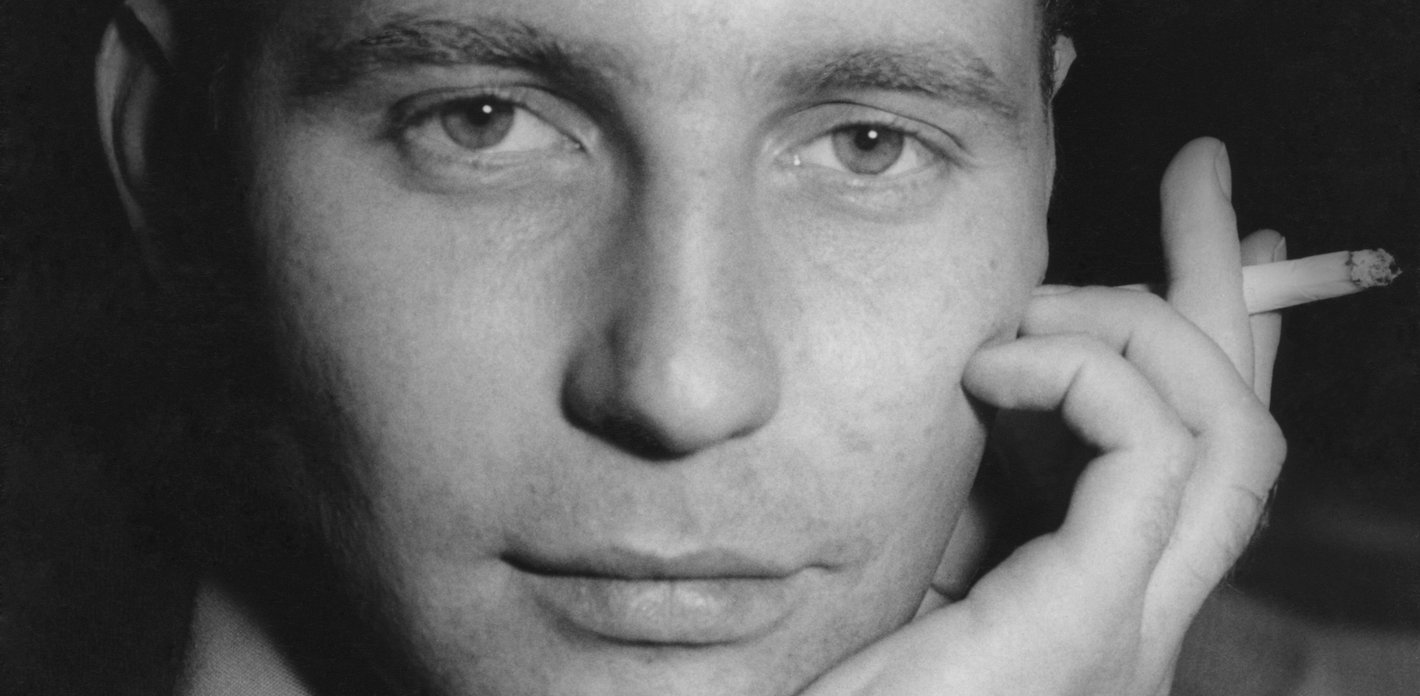
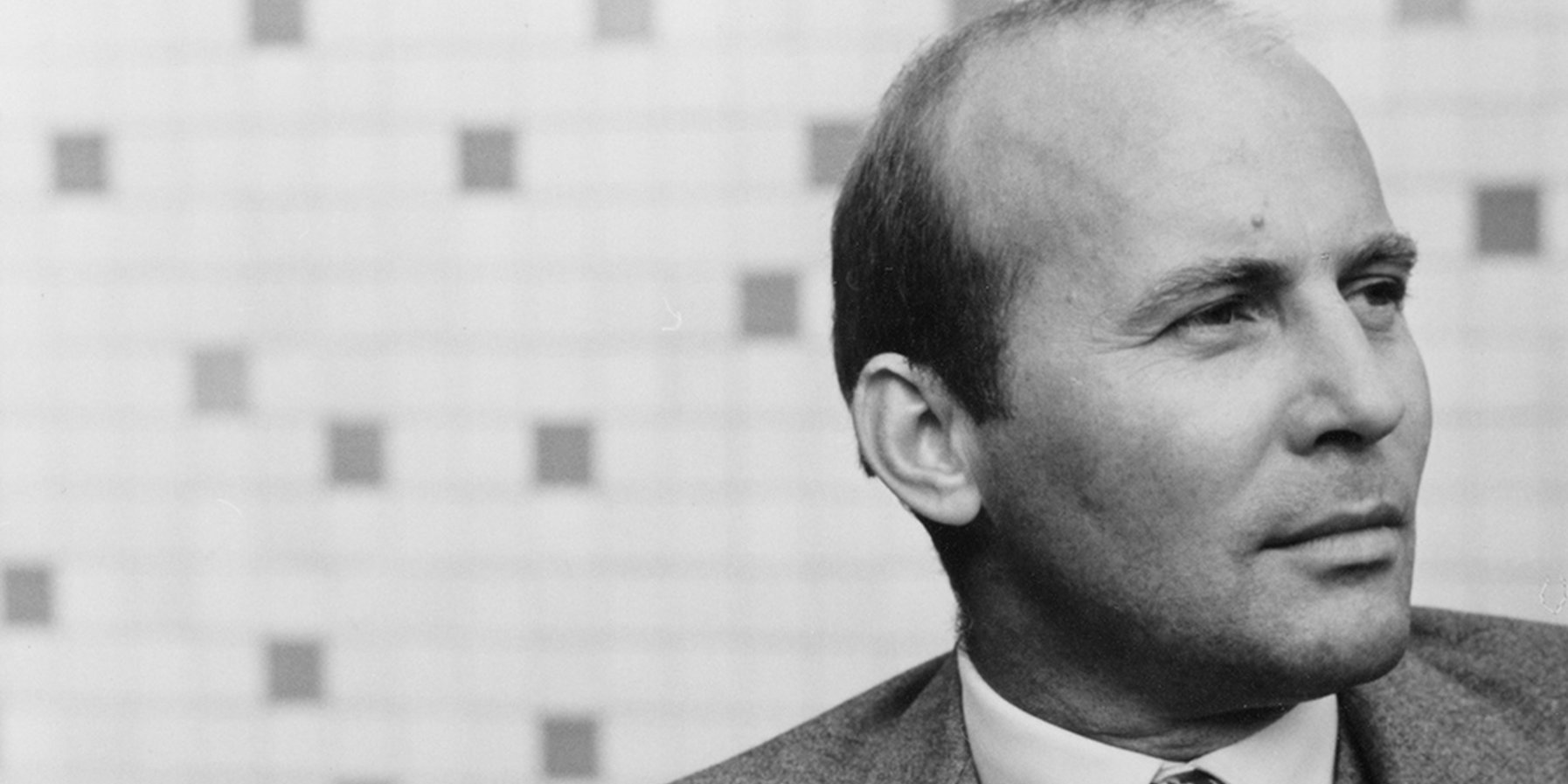
Hans Werner Henze, geboren vor einhundert Jahren, gestorben 2012, war eine kulturelle Institution der alten Bundesrepublik, ja der ganzen alten musikalischen Welt, in den Jahrzehnten nach 1950, deren Energie und Kämpfe uns heute manchmal fremd scheinen mögen, ferner gar als Mozart und Beethoven. Musikalisch gefälliger als seine radikalen Zeitgenossen soll er gewesen sein, dieser Henze, aber politisch sperriger als die »richtige« Nachkriegs-Avantgarde, die eher in ihrem engen Elfenbeinturm radikal hauste, zunehmend unter Ausschluss der nicht-professionellen hörenden Öffentlichkeit.
Ein Unterschied zu den maßgeblichen »fortschrittlichen« Komponisten seiner Generation zeigt sich schon daran, dass für Henze ausgerechnet die Oper zeitlebens die entscheidende Gattung blieb. Mit diesem Genre konnte Pierre Boulez als Schöpfer nichts mehr anfangen (die »eleganteste Lösung« wäre, scherzte er, die Opernhäuser in die Luft zu sprengen; später dirigierte er darin), und Karlheinz Stockhausen stieß sich ab durch die monomanische Übersteigerung seines riesigen »Licht«-Zyklus, einem mystisch abgehobenen Lebensprojekt. Solches Abheben wäre nichts für Henze gewesen. Das Verweilen im Elfenbeinturm missfalle ihm, sagte er drei Jahre vor seinem Tod in einem Interview mit der »Frankfurter Allgemeinen Zeitung«, er habe »immer bei den Menschen sein« wollen. Dieser Impuls steht gleichermaßen hinter Henzes politischer Radikalität (inklusive der Verirrungen) wie hinter seinem Willen, etwas so Traditionsgebundenes wie unmittelbar publikumswirksames Musiktheater zu schaffen.
Und heute? Ist Henze, wie einst der zwischenzeitlich führende Behle bei Olympia, in den Tiefen der musikgeschichtlichen Gesamtwertung versunken? Dazu müsste man ihn wieder hören. Allein, im Opernschlaraffenland Deutschland, wo ein Drittel aller Opernaufführungen weltweit stattfindet, gibt es im Jubiläumsjahr 2026 keine einzige Premiere eines seiner rund zwei Dutzend Bühnenwerke! Eine Kleinigkeit immerhin, Henzes »Englische Katze«, kam im November 2025 im Opernstudio der Bayerischen Staatsoper heraus, was man mit zugekniffenen Augen noch gelten lassen mag. Ansonsten müsste man fürs Szenische schon nach Rom reisen, wo es das Vaudeville »La piccola Cubana« auf Texte von Hans Magnus Enzensberger gibt. Oder für einen zumindest konzertanten »Prinz von Homburg« zu den Salzburger Festspielen.
Die Musik von Hans Werner Henze
Hochklassige Künstler:innen und Orchester widmen sich in mehreren Konzerten der Musik des Komponisten. Henzes späte Sinfonien und seine klangreiche Kammermusik stehen dabei im Fokus.
Die Englische Katze

Revolutionslärm und filigranes Fortissimo
Oder man hält sich gleich an die Konzertmusik. Da sind immerhin programmatische Schwerpunkte in Köln, Berlin und nicht zuletzt in Hamburg zu verzeichnen, jener Stadt, in der 1968 die Uraufführung von Henzes Oratorium »Das Floß der Medusa« spektakulär Schiffbruch erlitt. Nicht etwa, weil kühl kalkulierendes Hanseatenblut in wütende Wallung geraten wäre durch derart revolutionär-kannibalistischen Schauerstoff (»die gesungene Verlesung des Logbuchs eines auf offener See in Havarie befindlichen mit vielen Sterbenden beladenen Floßes«, wie Henze schrieb, »die Sterbenden sind Menschen der Dritten Welt, Opfer der Herzlosigkeit von Egoisten aus der Welt der Reichen und Mächtigen«); sondern vielmehr, weil damals, mit Monty Python zu sprechen, Judäische Volksfront und Volksfront von Judäa aneinander gerieten: Der sich revolutionär gebende Henze sei musikalischer Konterrevolutionär, tönte es im Vorfeld, Studenten besetzten dann das Podium aus Protest gegen bourgeoises Konzertritual, woraufhin der entfesselte Programmdirektor des Norddeutschen Rundfunks ein Plakat von Che Guevara zerfetzte, dem Henze sein Werk aber ja gewidmet hatte (Che Guevara, nicht dem Programmdirektor), der Chor weigerte sich, hinter der roten Studentenfahne zu singen, schließlich solidarisierte sich der Komponist mit den Demonstranten und stimmte in den rhythmisch unterkomplexen 68er-Ruf ein: »Ho-Ho-Ho-Tschi-Minh!«, bis die römische Besatzungsmacht in Gestalt der Hamburger Polizei den Volksfrontentumult in den Boden kloppte.
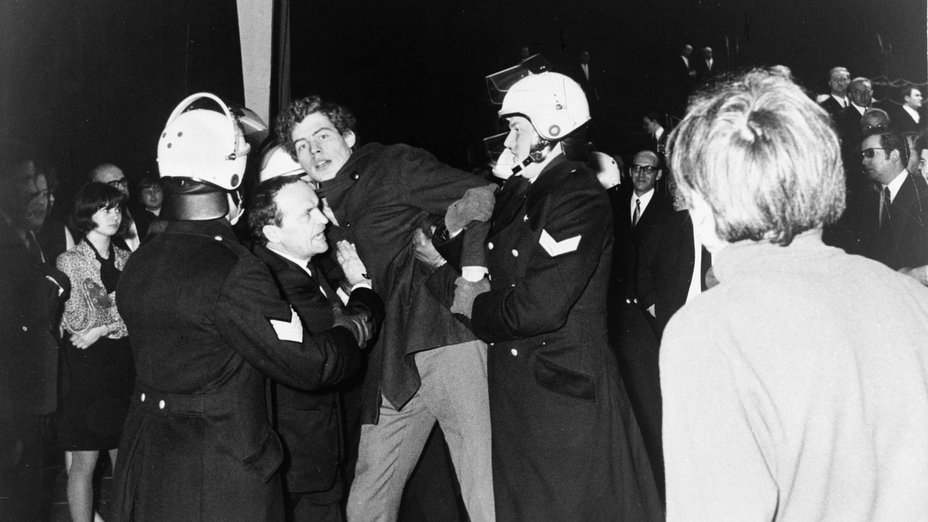
Denkmal für vergessene Helden
Den unwahrscheinlichen musikalischen Drive des Oratoriums »Das Floß der Medusa« aber, der unter den Wellen solcher heute skurril wirkenden Revolutionsfolklore absoff, spürt man auch in manch anderer Konzertmusik von Henze. In der Neunten Sinfonie etwa, die er 1997 schrieb, mit Anfang siebzig geschichts- und standesbewusst, nämlich mit großem Chor. Der setzt im Unterschied zu Beethoven nicht erst im Schlusssatz ein, und er kommt ohne solistische Stimmen aus; aber ähnlich wie bei Beethoven ist das große pathetische Menschheitslied durchfärbt von einem persönlichen Leidensantrieb am Grund der großen Worte und mächtigen Klänge. Seine Widmung »den Helden und Märtyrern des deutschen Antifaschismus« erläuterte Henze mit Erfahrungen, die seine frühen Jahre in Nazidiktatur und Weltkrieg prägten: »Wir identifizieren uns mit diesen unseren Landsleuten von damals, errichten ihnen, den vergessenen Helden des Widerstands, ein neues Denkmal. Und ich rufe mir die Ängste und Schmerzen meiner Kindheit, meiner Jugend zurück.«
Die Neunte im Konzert :31. Mai 2026
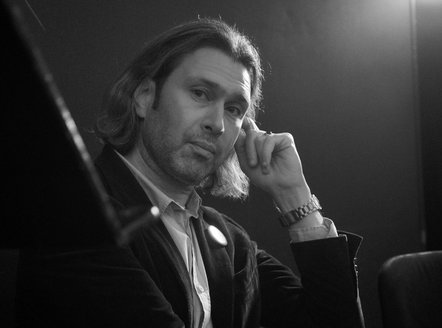
Vladimir Jurowski und das Rundfunk-Sinfonieorchester Berlin samt Chor bringen das epochale Denkmal in die Elbphilharmonie
»Ich will nicht verzichten auf das, was uns die Jahrhunderte zuspielen.«
Hans Werner Henze
Wohl kaum ein anderer Komponist, der sich in den Fünfzigerjahren auch nur im weitesten Sinn zur musikalischen Avantgarde zählte, hätte sich dem Genre der Sinfonie zugewandt. Aber auch wenn Henze hier bewusst nicht nur an Beethoven, sondern, historisch näher, an Hindemith, Strawinsky, auch Mahler anknüpfte, war er nicht per se Außenseiter, sondern durchaus Teil dieser Avantgarde. Er hatte als junger Mann seit 1947 an den Darmstädter Internationalen Ferienkursen für Neue Musik teilgenommen, wo man Neu mit verbissenem großem N schrieb, war lernbegierig sogar dem Zwölftondozenten René Leibowitz nach Paris gefolgt. Aber die Tendenzen der Gegenwart waren für Henze, der alles aufsaugte, letztlich eben auch nur ein Element von Tradition. »Ich bin der Ansicht, dass der Weg von Wagners ›Tristan‹ zu Mahler und Schönberg noch lange nicht ausgeschritten ist«, so Henze 1984. »Ich will nicht verzichten auf das, was uns die Jahrhunderte zuspielen.«
So ist es kein Widerspruch, dass auch in der Neunten, die ein halbes Jahrhundert nach der Leibowitz-Lehre entstand, die Zwölf als Strukturzahl eine wichtige Rolle spielt (was man nicht heraushören muss, um diese Musik zu durchleben), ebenso wie die Sieben, was sich schon aus dem Bezug auf Anna Seghers’ antifaschistischen Roman »Das siebte Kreuz« erklärt. Zugleich steht in diesem Werk nach der heftigen Wucht des ersten Satzes im zweiten ein aufgefächerter Chor voller Traurigkeit, dessen schwebende Schönheit ein wenig an Strawinskys »Psalmensinfonie« erinnert. Und »Die Rettung«, wie der siebte und letzte Satz überschrieben ist, ereignet sich nicht durch phonetische Überbietung, sondern in stillen Tönen, Einkehr, Dankbarkeit, eben Gedenken. Ein Anschwellen immerhin am Schluss, nur wenige Sekunden, aber das ist filigranes Fortissimo: Diese Rettung schreit einen nicht an.
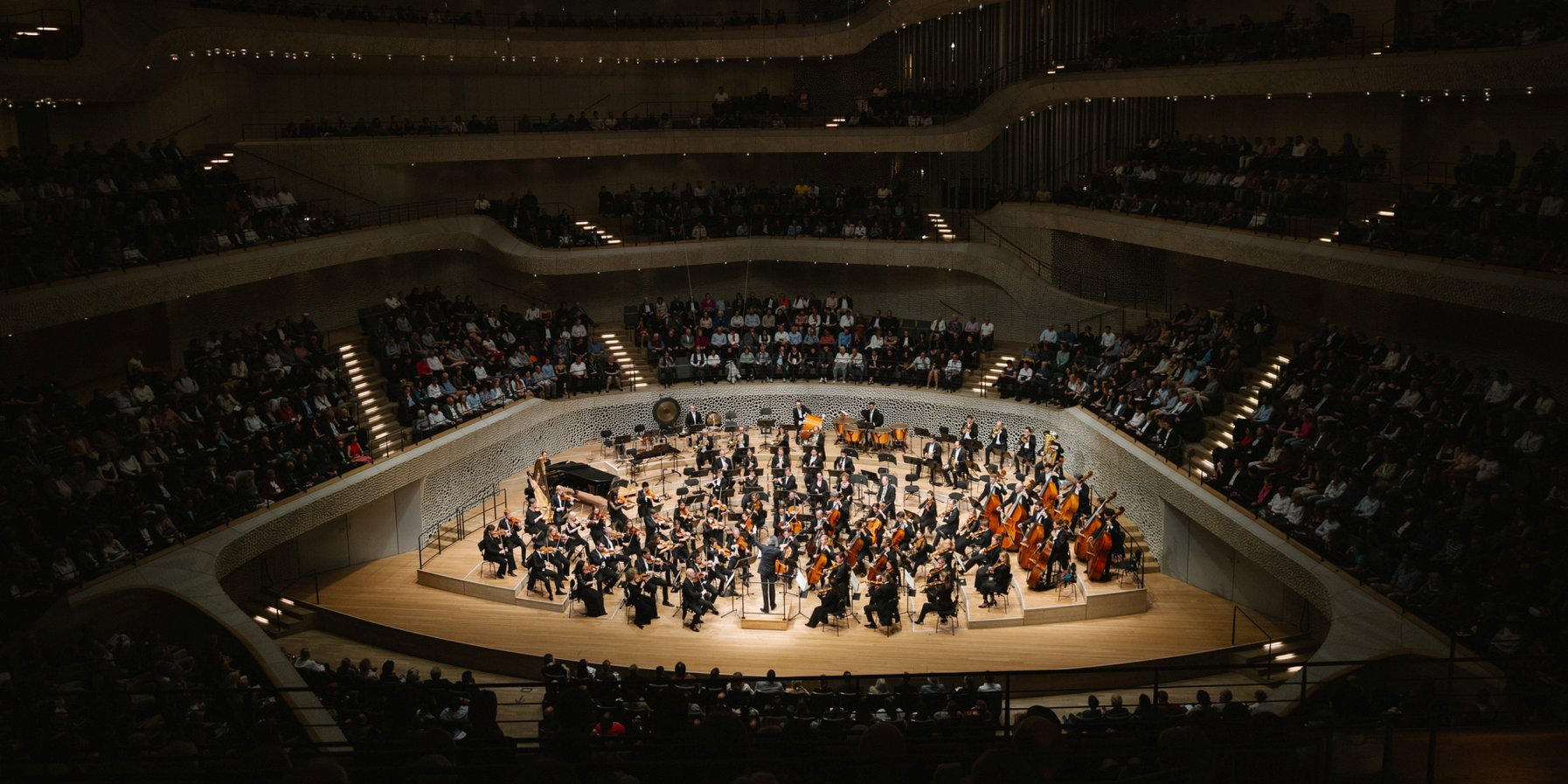
Finsterer Freudentanz: Die siebte Sinfonie
Auch in Henzes rein instrumentaler Musik kann man bisweilen großes Musiktheater im Konzertsaal erleben. Die Kraft seiner »Bassariden«-Oper (von der man sich noch vor wenigen Jahren an der Komischen Oper Berlin überzeugen konnte) spürt man ähnlich in der unglaublich energetischen Siebten Sinfonie, die Anfang der Achtzigerjahre entstand. Angesichts ihrer rohen, teils finster wirkenden Motorik mag man damalige Kritikerbeschreibungen der Siebten als »Lebens-Dithyrambus« oder gar »Freudentanz« eher befremdet lesen. Andererseits zeugt ja Henzes Bezugnahme auf Friedrich Hölderlins düsteren, den ersten Herausgebern als geisteskrank geltenden Nachtgesang »Hälfte des Lebens« geradezu von einer unbeirrbar zuversichtlichen Primärpersönlichkeit. Einen Vers aus diesem Gedicht, wenngleich er nicht gesungen wird, hatte Henze nämlich in die Partitur seiner Siebten eingetragen, an den Beginn des vierten Satzes; und was wäre es denn anderes als höchst optimistisch, sich mit fast sechzig Jahren der »Hälfte des Lebens« anzunehmen – egal, wie »sprachlos und kalt« Hölderlins Aussichten in die zweite Hälfte sind? Und da könnte man heutzutage glatt fragen: Wo ist Henzes Zuversicht?
Seelentheater und Romanhelden
Alle Musik von Henze ist Theatermusik, manchmal auch Musik des eigenen Seelentheaters: So könnte man Henzes pointierte Bekenntnisse variieren, Musik sei für ihn, erstens, »darstellende Kunst« und, zweitens, seine Musik gehe vom Theater aus. Nicht nur zur Tradition, sondern auch zu anderen Künsten war Henzes Verhältnis von einer Intensität, die über das Maß seiner meisten Kollegen hinausgeht. In erster Linie ist da die Nähe zur Literatur zu nennen. Das gilt nicht nur für die klassische Dichtung, wie jene Hölderlins, den Henze bereits in seiner »Kammermusik 1958« vertont hatte. Auch mit der Literatur seiner Gegenwart war Henze stets in Kontakt. Und so wirkt es fast logisch, dass 2001 ein Roman über die Begegnung mit einem Komponisten erschien, in dem deutlich Henze-Züge erkennbar sind, auch wenn die Figur »Bergmann« heißt. Der Autor Hans-Ulrich Treichel hatte für Henze nicht nur die Texte nach Seghers für die Neunte Sinfonie geschrieben, sondern auch zwei Opernlibretti.
-
»Tristanakkord« – Henze als Romanfigur
Obwohl es im Roman dann nochmals ein anderer Komponist ist, der in seinen Werken »sogar Baukräne und Abrißbirnen« einsetzt, ist das doch eine ziemlich lustige Spiegelung von Stockhausen und dessen ausgesprochenen Fans. Und auch wenn »Tristanakkord« kein banaler Schlüsselroman ist und das Verhältnis Bergmann:Henze nicht 1:1 aufgeht, auch nicht 1:1,5, so verrät die literarische Beschreibung von Bergmanns Kompositionsvorgängen im Spazieren auf einer Hebrideninsel vielleicht doch mehr über Henzes Klangwelt, als es so manche musikologische Deskription tut:
»Bergmann schien so mit sich und seinen Ruderbewegungen beschäftigt, daß Georg glaubte, ihn schon allein durch seine Anwesenheit zu stören. Bergmann aber fühlte sich nicht gestört. Er ruderte weiter, begann nun auch zu summen, stieß gelegentliche Zischlaute aus, stellte die Zischlaute wieder ein und schlug plötzlich einen äußerst forcierten und, wie es schien, höchst komplizierten Takt in die schottische Abendluft. Wobei er sich mehrmals unterbrach, um immer wieder neue Variationen zu schlagen und zu zischen. Und nun begriff Georg, daß Bergmann nicht ruderte, sondern dirigierte. Und zwar eine Musik, die es noch gar nicht gab und die gerade in Bergmanns Kopf entstand.«
Nimmt man dreist Bergmann für Henze, so verwundert es kaum, dass ein derart aus der Klangvorstellung sich herausspinnendes Musikschaffen mit der kompositorischen »Wissenschaftlichkeit« der Fortschrittsdogmatiker kollidieren musste. Der Knall, der sich schon länger angebahnt hatte, ereignete sich 1957 in Donaueschingen, als Stockhausen, Boulez und Luigi Nono bei Henzes Musik demonstrativ den Saal verließen: Exkommunikation wegen Nichtbeachtung serieller Prinzipien, ja sogar Komponieren »richtig in Dur«, wie sich später der Komponist Dieter Schnebel erinnerte.
Und obwohl Treichel ausdrücklich betonte, dass sein »Tristanakkord« »kein dokumentarischer Roman, sondern in erster Linie Fiktion« sei, kam Volker Hagedorn 2007 anlässlich eines Besuchs auf Henzes Landgut südlich von Rom zu der Erkenntnis, dass es sich nicht empfehle, Henze auf den Roman anzusprechen. »›Er hat es nie gelesen‹, sagt sein Assistent, ›er hat sich davon erzählen lassen und war empört.‹« Dabei hätte er ruhig amüsiert sein können, wie da der Protagonist Georg erfährt, »daß es sich bei Bergmann nicht um irgendeinen berühmten deutschen und noch lebenden Komponisten handele, sondern um den berühmtesten deutschen Komponisten schlechthin. Allerdings gebe es noch einen zweiten berühmtesten lebenden deutschen Komponisten schlechthin namens Nerlinger, doch sei Nerlinger dies nur für die ausgesprochenen Nerlingerfans, während Bergmann dies nicht nur für die Bergmannfans sei, sondern für alle Musikliebhaber, sofern diese keine Nerlingerfans seien.«
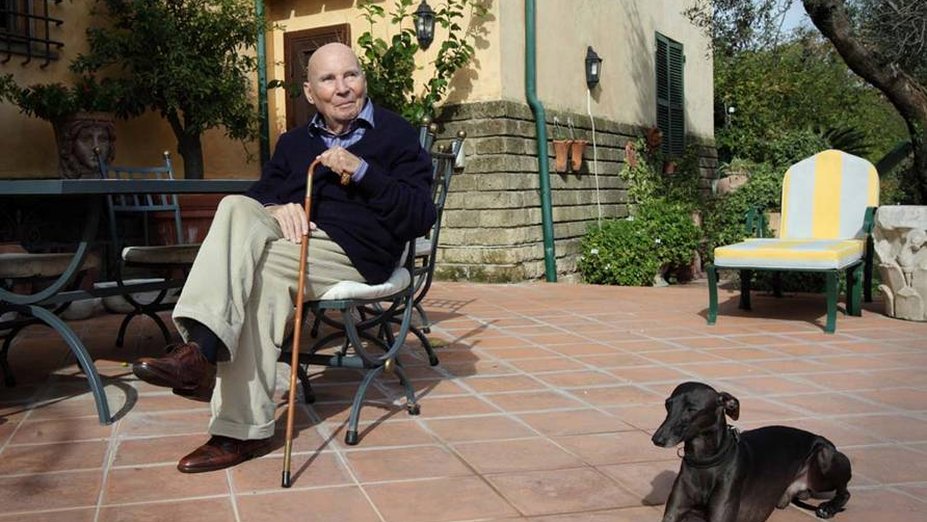
Komponieren mit Routine
Als Gegenpol zu der rudernden Entstehung einer Klangvorstellung stand bei Henze allerdings eine höchst geregelte Arbeitsweise, die seinen Gast Treichel, wie er im Interview sagte, »in ihrer Synthese aus Genie und nachgerade beamtenhafter Disziplin an Thomas Mann« erinnerte. Oder wie der Hamburger Musikwissenschaftler Peter Petersen, einer der wichtigsten Kenner des Komponisten, in seinem Henze-Handbuch von 2022 zusammenfasste: »Unter ironischer Berufung auf Mozart hat Henze gelegentlich verkündet, dass er – hierin Mozart folgend – von frühmorgens bis mittags Punkt Zwölf ›zur Arbeit‹ ginge, also: dass er komponierte, ungeachtet persönlicher Stimmungen und ohne auf ›höhere‹ Eingebungen zu warten.« Eine disziplinierte Routine, die Henze auch zu einem der produktivsten Komponisten des 20. Jahrhunderts machte; oder wie Treichels Hauptfigur beim Anblick von Bergmanns Partituren neben denen von Bach, Mozart, Wagner erkennt: »Rein mengenmäßig, das sah Georg auf einen Blick, konnte Bergmann bereits jetzt mit seinen großen Kollegen mithalten.«
Die Siebte im Konzert :21. & 22. Mai 2026
Matthias Pintscher dirigiert das NDR Elbphilharmonie Orchester. Außerdem auf dem Programm: Wagner und Szimanowski.
Ingeborg Bachmann: Platonische Liebe auf Italienisch
Spricht man über Henze und Literatur, muss an vorderster Stelle aber weder der Name Thomas Mann noch Hölderlin, auch nicht Treichel genannt werden, sondern unbedingt Ingeborg Bachmann. Ihr 2004, noch zu Henzes Lebzeiten, veröffentlichter Briefwechsel, der sich über zwei Jahrzehnte von 1952 bis 1972, wenige Monate vor Bachmanns tragischem Tod in Rom, erstreckte, ist das bewegende Dokument einer emotionalen Verbindung. Diese platonische Liebe zwischen dem schwulen Komponisten und der tief verletzbaren Dichterin war vielleicht enger, als es jede sexuelle Beziehung sein könnte. Ihr Verhältnis war weit mehr als eine der wichtigsten künstlerischen Arbeitsgemeinschaften des Jahrhunderts, mit Bachmanns Libretti zu den Henze-Opern »Der junge Lord«, »Der Prinz von Homburg« und »Der Idiot« (letztere nach Kleist und Dostojewski).
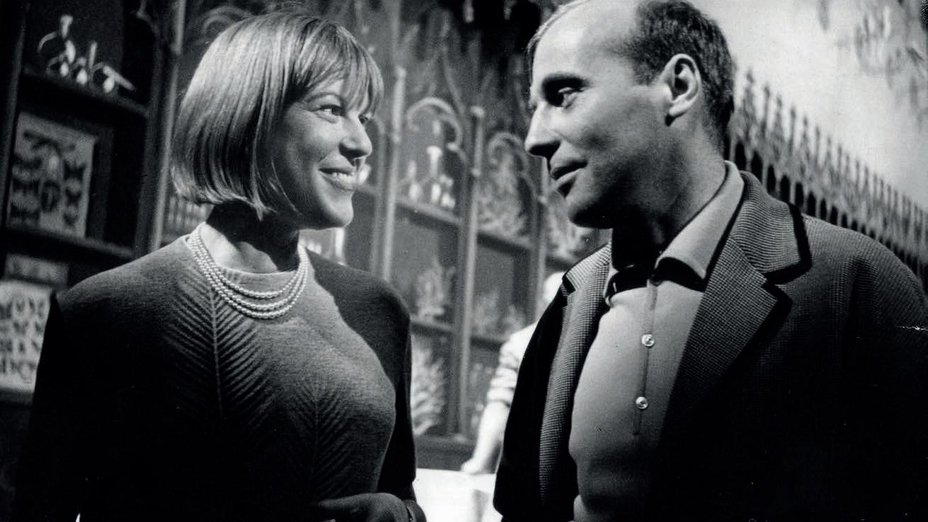
Die Wurzel dieser inneren Nähe liegt gewiss auch in den Traumata der Herkünfte dieser beiden Menschen, die 1926 im Abstand von nur einer Woche geboren wurden, sie in Klagenfurt, er in Gütersloh. Beide wuchsen als Kinder fürchterlich nationalsozialistischer Erzeuger auf und erlebten in ihrer kindlichen Sensibilität Diktatur, Krieg und Väterschuld als nie verheilende Wunden, die sie lebenslang zu engagierten Antifaschisten machten; eine Gemeinsamkeit, die blieb, auch als Henzes naiver kubanischer Revolutions-Enthusiasmus Bachmann befremdete. Noch dieser Kuba-Irrtum dürfte übrigens auch in Henzes Sehnsucht nach Süden und Sonne wurzeln, die Bachmann ja teilte und die beide dauerhaft nach Italien zog. Bei Henze spielte hier zudem der praktische Umstand hinein, dass ein Homosexueller im Italien der Fünfzigerjahre seiner bürgerlichen Existenz sicherer sein konnte als im restaurativen Adenauerdeutschland. Beider Befremdung über ihre Herkunft ging aber so weit, dass sie häufig auf Italienisch korrespondierten, und auch in einigen anderen Sprachen, mitunter durchaus holprig.
Letztlich ist es wohl eine tiefe Sehnsucht nach Licht, Liebe und Wärme, die Henze und Bachmann teilten und die sie, bei aller Aufgeschlossenheit für moderne künstlerische Strömungen, ihre innige Verbundenheit mit musikalischen und literarischen Traditionen niemals kappen ließ, im Gegenteil. Ganz schlicht von dieser Sehnsucht nach Schönheit, aber auch ihren Verlockungen und Gefahren, handelt etwa ein Werk wie Henzes »Tristan – Préludes für Klavier, Tonbänder und Orchester«, das 1973 entstand, in dem Jahr also, als die tablettensüchtige Bachmann starb. Auch dieses Klavierkonzert ist »imaginäres Theater«, was unter anderem John Neumeier in Hamburg zu einer Ballettchoreografie anregte. Dass Henze in unmittelbarer zeitlicher Nähe zu seinem »Tristan« auch eine »szenische Kantate« namens »Streik bei Mannesmann« schrieb, zeigt wiederum die verblüffende Vielseitigkeit dieses Komponisten. Auch die Filmmusik zu Volker Schlöndorffs und Margarethe von Trottas engagierter Böll-Verfilmung »Die verlorene Ehre der Katharina Blum« entstand in dieser Zeit. Im Grunde dürfte hinter dieser seltsamen Vielfalt einfach Henzes oben zitierter Wunsch stecken, »immer nah bei den Menschen zu sein« – und nicht nur im Elfenbeinturm der eigenen Sehnsucht, des eigenen Schmerzes.
Hans Werner Henze dirigiert »Tristan«
Dennoch gibt es eine tiefe Differenz im Kunstbegriff der mitunter einzelgängerischen Zwillinge Henze und Bachmann. Während bei Ingeborg Bachmann die Überhöhung der Kunst darauf hinausläuft (zumal in ihren späten, sich verdunkelnden Jahren des »Todesarten«-Projekts), letztlich im eigenen Werk sich auszulöschen, zu verschwinden in der Wand wie die Erzählerin in ihrem Roman »Malina«, den Henze 1971 schwärmerisch als Mahlers Elfte Sinfonie bezeichnete –, so gibt es bei Henze etwas wie die unbeirrbare Zuversicht, der lebendige Mensch könne im Werk den Tod überdauern. Und so, wie man sich aufs Hören von Henzes Musik vielleicht am besten vorbereitet, indem man Gedichte von Ingeborg Bachmann liest, kann man sich auch innerlich dafür öffnen, in Henzes Musik solche Zuversicht zu erfahren, die Bejahung des Lebens.
Dieser Artikel erschien im Elbphilharmonie Magazin (Ausgabe 2/26)
- Elbphilharmonie Kleiner Saal
Works for Solo Harpsichord by György Ligeti, Luc Ferrari, Hans Werner Henze, Misolav Srnka & others
- Elbphilharmonie Großer Saal
Stuttgarter Kammerorchester / Daniel Ottensamer / Thomas Zehetmair
Henze: Seconda sonata per archi / Mozart: Clarinet Concerto, KV 622 / Buckley: Fall Approaches / Schubert: Symphony No. 5 – Hamburg International Music Festival
- Elbphilharmonie Großer Saal
NDR Elbphilharmonie Orchestra / Tamara Stefanovich / Pierre Bleuse
Henze: Tristan / Ives: Central Park in the Dark / Debussy: Images for Orchestra – Hamburg International Music Festival
- Elbphilharmonie Kleiner Saal
Rihm: Chiffre VI / Arne Gieshoff: New Work / Turnage: This Silence / Henze: Kammermusik 1958 – NDR das neue werk
- Elbphilharmonie Großer Saal
NDR Elbphilharmonie Orchestra / Tamara Stefanovich / Pierre Bleuse
Henze: Tristan / Ives: Central Park in the Dark / Debussy: Images for Orchestra – Hamburg International Music Festival
- Elbphilharmonie Kleiner Saal
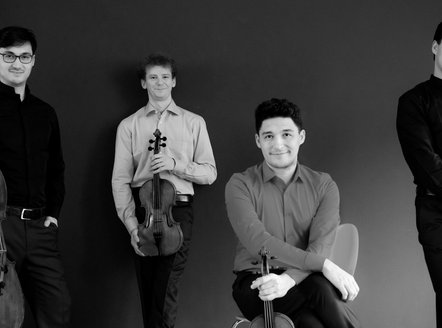
Haydn: String Quartet in D major / Henze: String Quartet No. 5 / Beethoven: String Quartet in F major – Hamburg International Music Festival
- Elbphilharmonie Großer Saal
NDR Elbphilharmonie Orchestra / Leonidas Kavakos / Matthias Pintscher
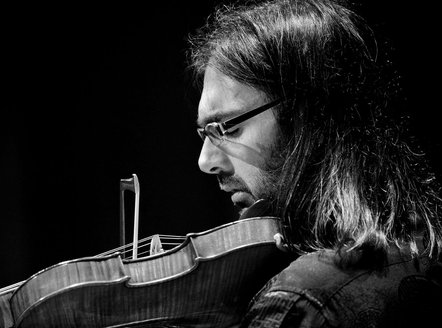
Wagner: Siegfried Idyll / Szymanowski: Violin Concerto No. 2 / Henze: Symphony No. 7 – Hamburg International Music Festival
- Elbphilharmonie Großer Saal
NDR Elbphilharmonie Orchestra / Leonidas Kavakos / Matthias Pintscher
Wagner: Siegfried Idyll / Szymanowski: Violin Concerto No. 2 / Henze: Symphony No. 7 – Hamburg International Music Festival
- Elbphilharmonie Großer Saal
Rundfunk-Sinfonieorchester Berlin / Rundfunkchor Berlin / Vladimir Jurowski
Beethoven: Leonore Overture / Brahms: Schicksalslied / Henze: Symphony No. 9 – Hamburg International Music Festival