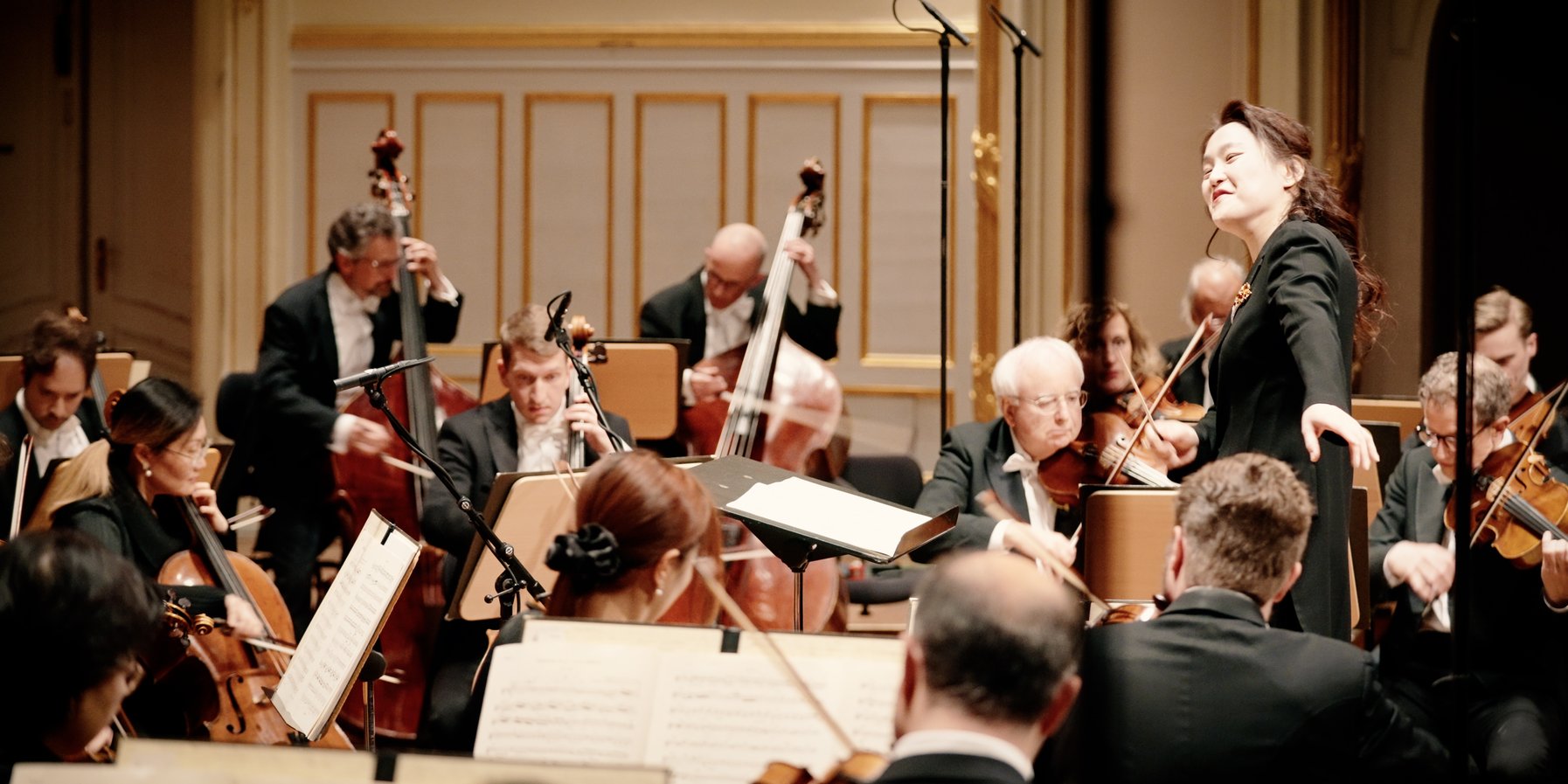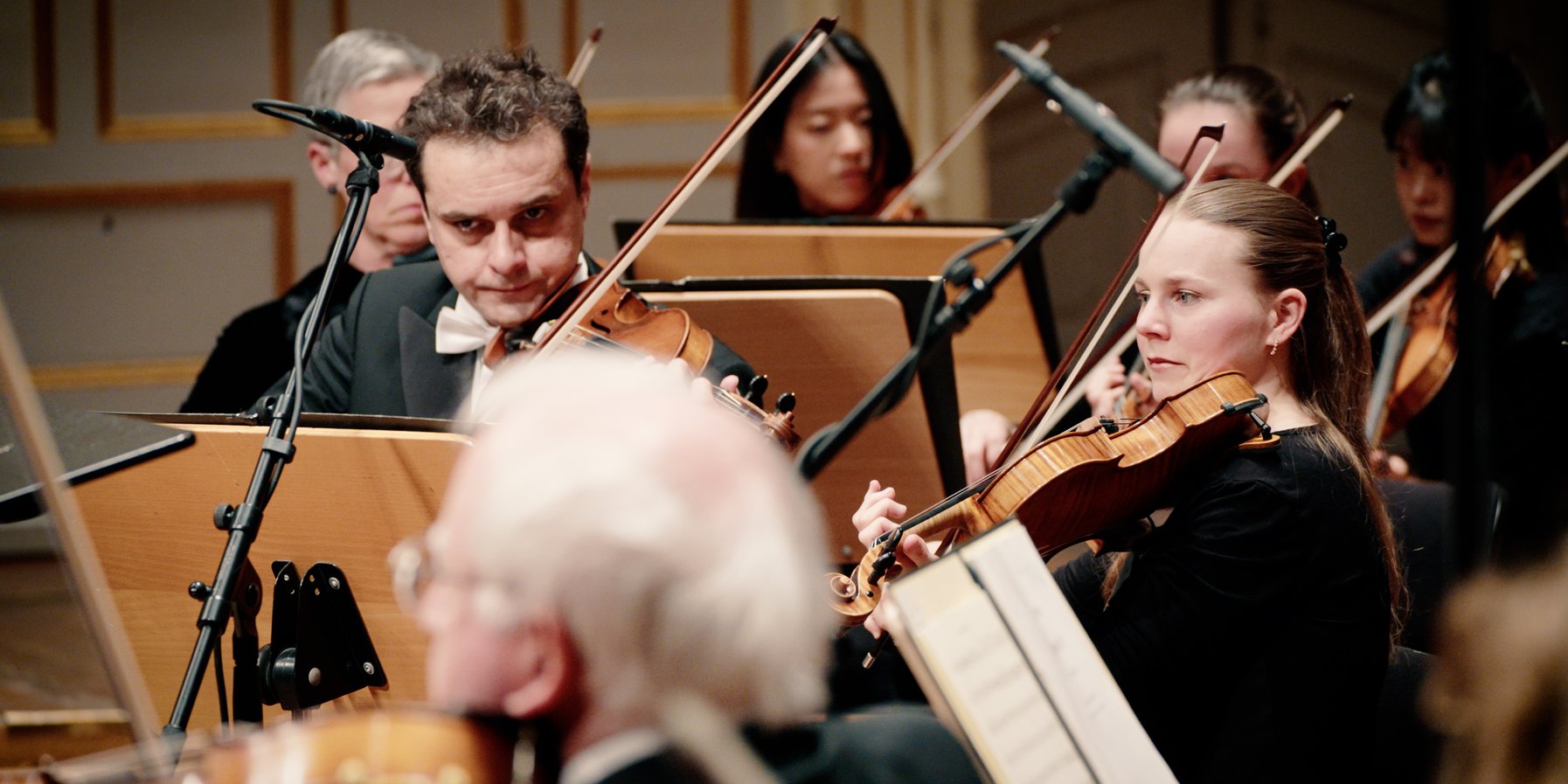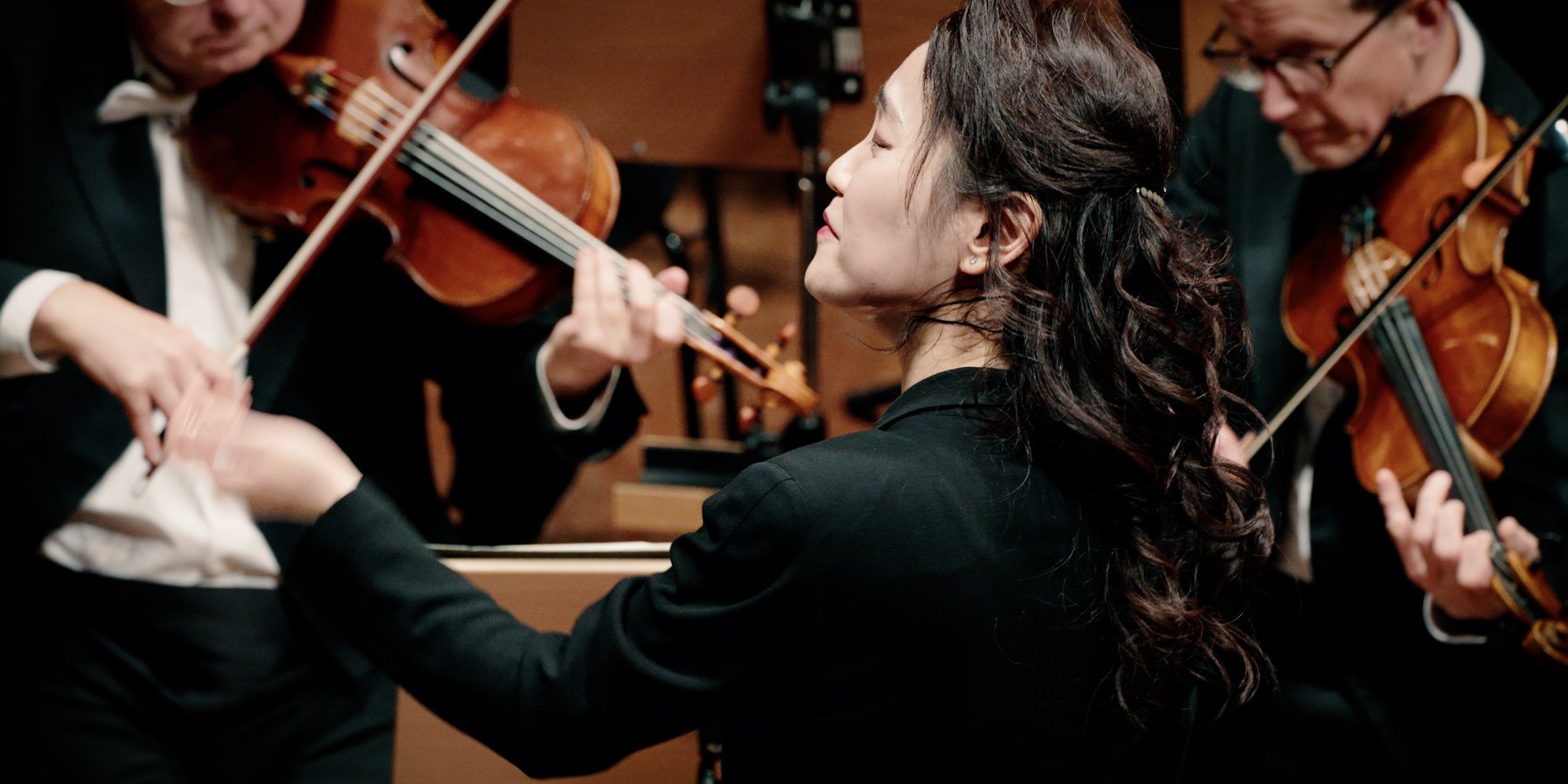
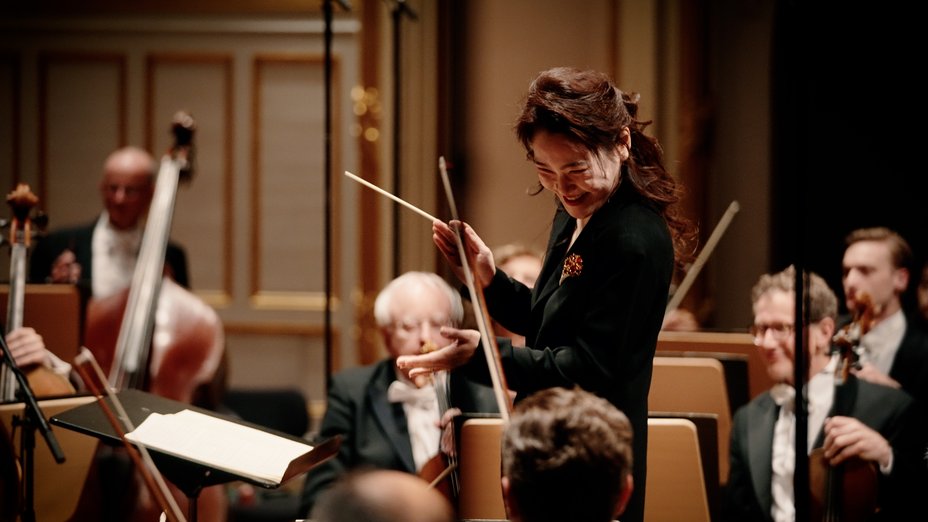
It is the quintessence of a classical concert, with soulful music by Mozart in the unique atmosphere of the Laeiszhalle. Under the baton of Han-Na Chang, the Symphoniker Hamburg perform Mozart’s Symphony No. 25, a true classic of the repertoire. This powerful and emotive work in G minor – made world-famous by its inclusion in the film »Amadeus« (1984) – showcases Mozart at his most dramatic.
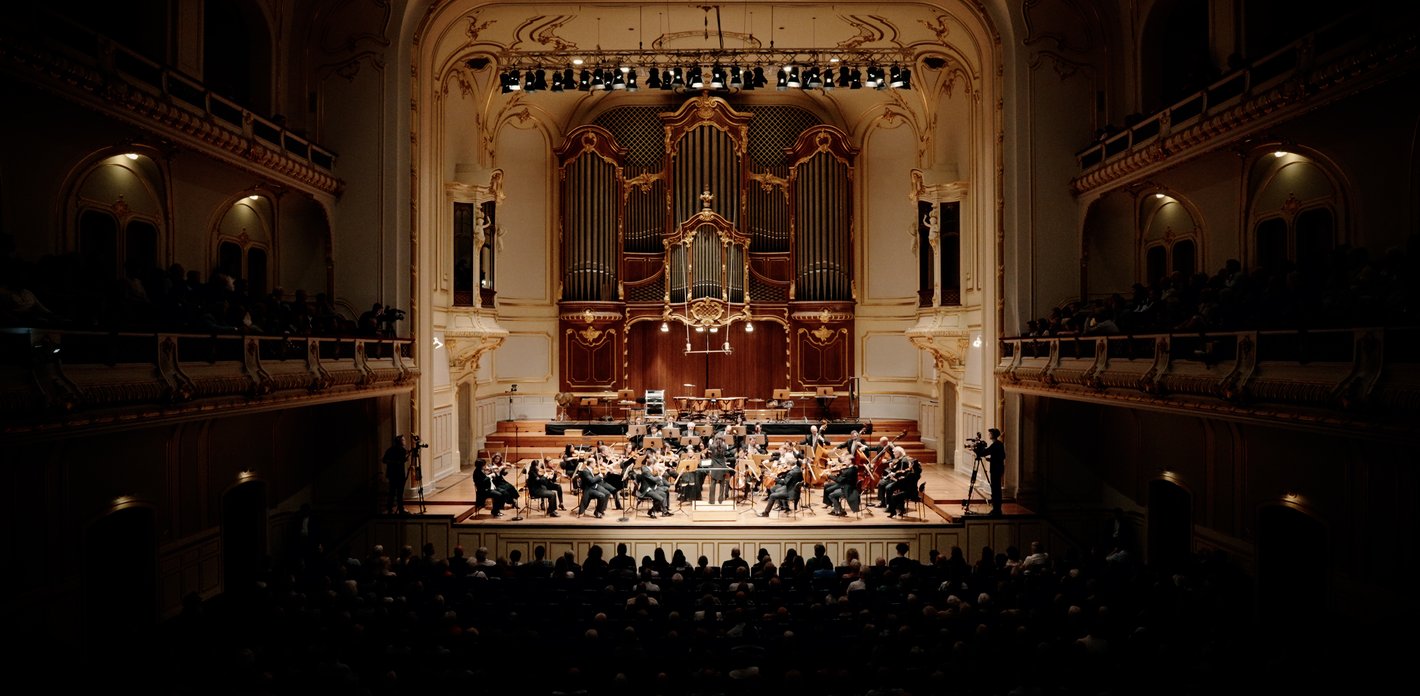
Orchestral concerts in the Laeiszhalle always resonate with the long, rich history of this magnificent concert hall, which has been a central point of Hamburg’s musical life for around 100 years. As the resident orchestra, the Symphoniker Hamburg regularly presents curated symphonic programmes in the Grand Hall, ranging from contemporary works to classical orchestral masterpieces.
Performers
Symphoniker Hamburg
conductor Han-Na Chang
Die Künstler:innen
Han-Na Chang :Conductor
-
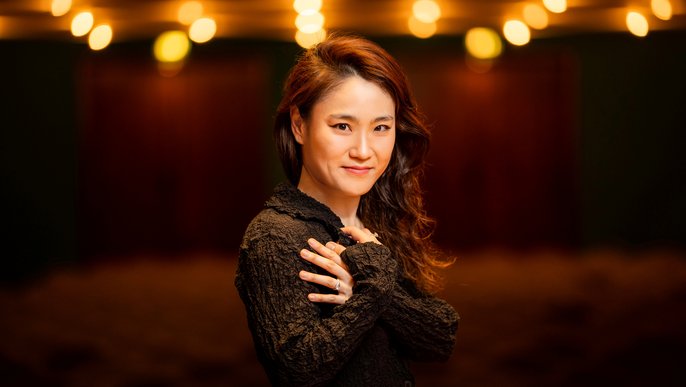
About Han-Na Chang
South Korean conductor Han-Na Chang made a remarkable debut with the Symphoniker Hamburg in October 2021, stepping in at short notice and earning widespread acclaim. Since the 2022/23 season, she has served as the orchestra’s principal guest conductor, captivating audiences in the historic Laeiszhalle together with soloists such as Mischa Maisky, Benjamin Beilman and Gil Shaham.
In addition to her role in Hamburg, Han-Na Chang has been the artistic director and chief conductor of the Trondheim Symphony Orchestra in Norway since 2017. She also founded »Han-Na Chang’s DaejeonGrandFestival«, a new annual music festival presented by the Daejeon Arts Centre, which premiered in November 2024. With a mission to showcase exceptional young talent and make classical music more accessible, the festival features varied and thoughtful programming designed to engage a wider audience.
Han-Na Chang travels the world as a guest conductor, working regularly with renowned orchestras including the Rotterdam Philharmonic, the Oslo Philharmonic, the Vancouver Symphony, the Concertgebouw Orchestra Amsterdam and the Singapore Symphony.
Now in high demand as a conductor, Han-Na Chang began her professional music career as a cellist. She first attracted international attention in 1994 when, at just eleven years old, she won the Grand Prix de la Ville de Paris and the Contemporary Music Prize at the fifth Rostropovich Cello Competition in Paris. As a cellist, she has performed with leading orchestras including the Berlin Philharmonic, New York and Los Angeles Philharmonic Orchestra, London Symphony Orchestra, Bavarian Radio Symphony Orchestra and the Orchestre de Paris.
Han-Na Chang counts Mischa Maisky, Mstislav Rostropovich and Giuseppe Sinopoli among her most influential mentors. She also studied philosophy at Harvard University alongside her musical career.
Symphoniker Hamburg
-
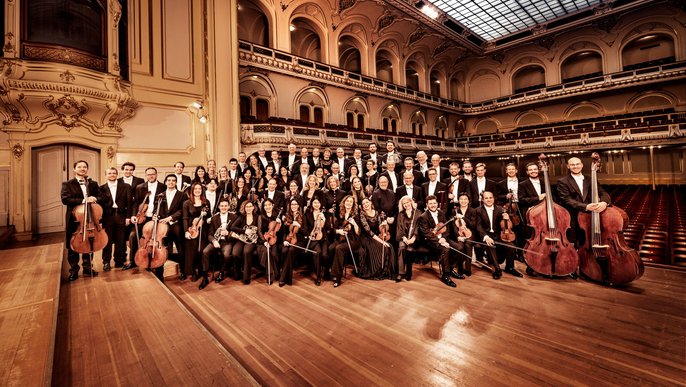
About the orchestra
The Symphoniker Hamburg has been the resident orchestra of the Laeiszhalle since 2017. It carries forward the concert hall’s distinguished tradition with musical excellence, embracing a contemporary vision of what a modern symphony orchestra can be, while maintaining its role as a vibrant cultural institution. The orchestra plays a vital role in shaping Hamburg’s artistic identity, and also continues to gain recognition well beyond the city’s borders on the international stage.
In addition to first-class orchestral concerts, the Symphoniker Hamburg puts on an array of chamber music series, cross-genre fusion projects, festivals (including the annual Martha Argerich Festival) and an unusually wide range of outreach and educational programmes. A defining element of their artistic approach is the integration of other art forms into the concert experience, incorporating theatre, film, video and light art to create multi-sensory performances.
Since 2018, the chief conductor of the Symphoniker Hamburg has been Sylvain Cambreling, one of the most renowned conductors of our time. Celebrated over the decades for his rousing, imaginative and colourful interpretations and his clear, unaffected style, he has long been associated with ground-breaking premieres in contemporary music and music theatre. His artistic leadership opens up new creative horizons for the orchestra, while building on the legacy of former chief conductor Sir Jeffrey Tate, who shaped the distinctive warm and woody sound of the Laeiszhalle orchestra.
About the music
Wolfgang Amadeus Mozart was just 17 years old when he redefined the symphony genre with his Symphony No. 25. In the early 1770s, symphonies were still largely seen as preludes – introductory pieces to operas or larger concert suites. But Mozart broke with convention, lifting them out of their subservient role and making them a vehicle for emotional expression and psychological depth. Gone are the courtly elegance and easy charm; in their place, we hear nervous energy, shadowy tones and a rebellious musical voice. For the first time ever, Mozart chose a minor key for a symphony – and it remained the only one, apart from the famous Symphony No. 40 in G minor. That decision alone signals a shift: rather than bright colours and courtly lightness, this is music of tension, drama and inner turmoil.
The haunting tone has often sparked speculation about a personal crisis in Mozart’s life. Ever since the famous opening scene of Miloš Forman’s film »Amadeus« (1984), the work has become an integral part of Mozart’s image and a symbol of possible inner turmoil. Historically however, there is no evidence of any exceptional circumstances in his life at the time. A more plausible explanation lies in the composer, who was still living in Salzburg at the time, having recently visited Vienna, where he encountered the emotionally charged symphonies of Joseph Haydn and others – works that clearly expanded his idea of what a symphony could be, with their drama, dark constrasts and expressive gestures.
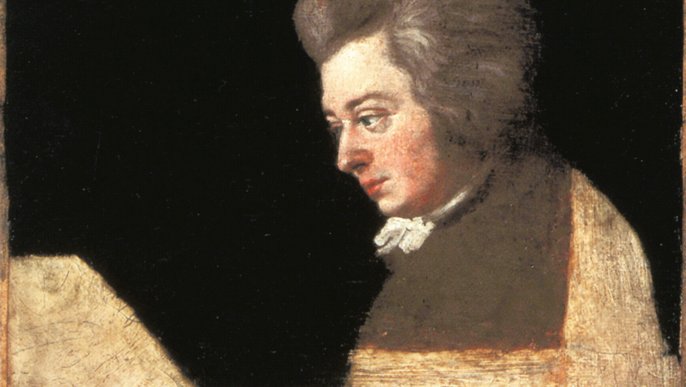
What sets Mozart’s Symphony No. 25 apart is not just its impassioned tone, but its remarkable cohesion. The four movements are tightly constructed, emotionally interwoven and charged with dramatic tension. The music shifts between sombre urgency, melancholic calm, austere dance and a stormy finale that offers no resolution – only a powerful return of its driving forces. The orchestration is also surprising, with the inclusion of four horns, unusual at the time, lending the music a brooding, rich texture.
Sometimes referred to as the »little G minor symphony« – to distinguish it from the later, so-called »great« one – the nickname hardly does it justice. Neither in expression nor in structure does it seem smaller than its more famous sister. If anything, it feels like a shadow cast ahead.
Text: Johann Layer
(From the programme booklet for the concert on 27 April 2025)
Laeiszhalle
Since its grand opening in 1908, the Laeiszhalle has been a cornerstone of Hamburg’s musical life, welcoming international stars to its stage for well over a century. It remains a concert hall steeped in history, with multiple stages, elegant foyers and plenty of stories to tell.