Text: Thomas Burkhalter, August 2026
The night before the war. Two friends, a musician and a graphic designer, are sitting with me in an Italian restaurant in East Beirut. One explains what will happen tonight: »Israel will either bomb the airport or the power plant. Or fighter jets will break the sound barrier. Then the windowpanes will shatter. You’d better leave the windows open.« They’re joking. They’re laughing. For someone like me, who has never experienced war before, falling asleep afterwards is difficult. I’ll never forget that night. It feels as though the sky is collapsing around me.
Festival: Libanon :29.10–1.11.2026
Experimental rock meets Arabic poetry, traditional dabke dancing meets the country’s greatest voices: The »Lebanon« festival at the Elbphilharmonie showcases the country’s rich and diverse culture, which continues to flourish even in times of war.
TRUMPET AND BOMBS
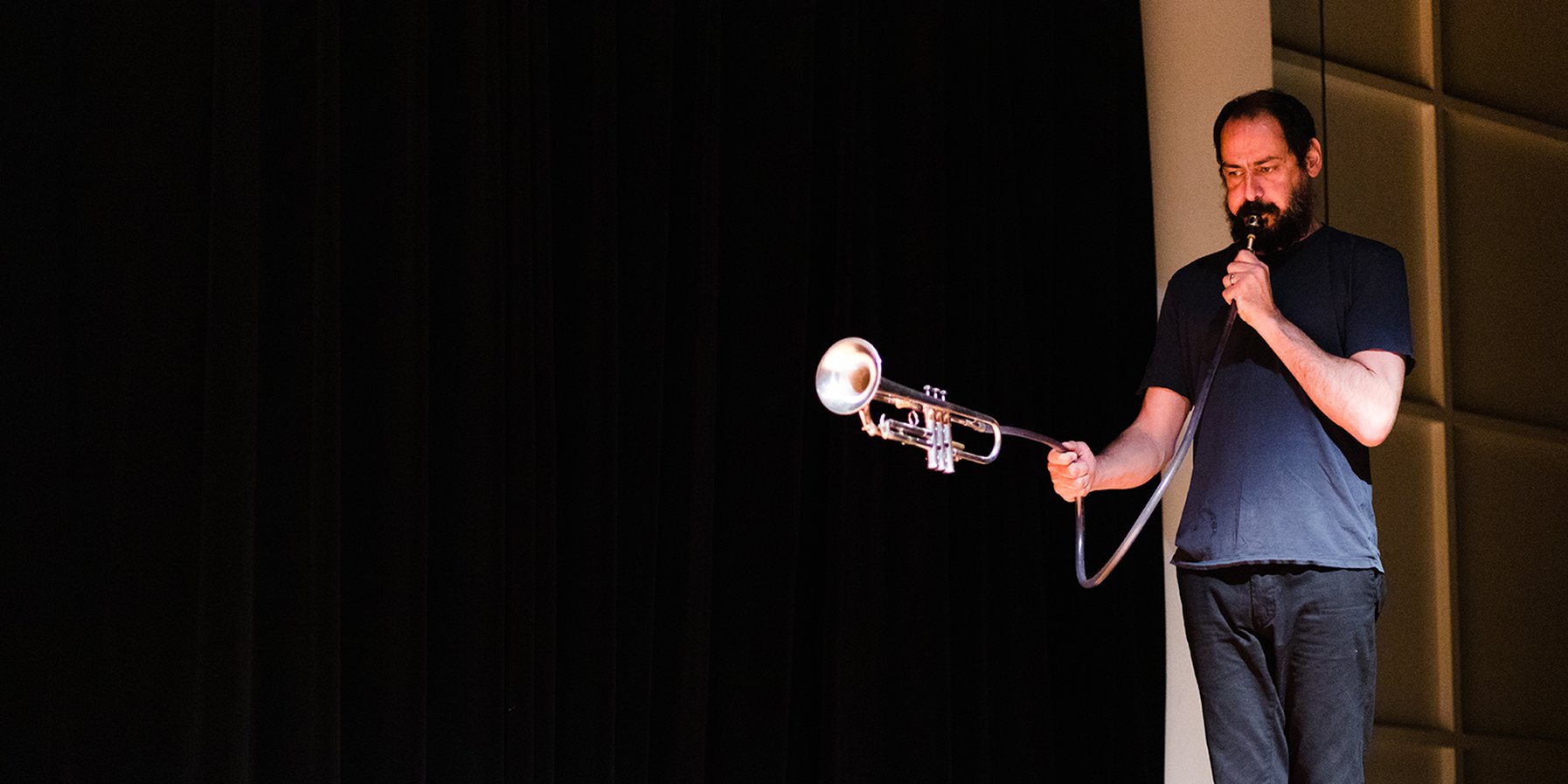
Summer 2006, one week later. As Israeli fighter jets roar over the city, Mazen Kerbaj plays his trumpet on his balcony and records himself. We hear bombs exploding. The shock waves set off the alarms of parked cars. Dogs bark. And in between, an eerie silence. The MP3 is titled »Starry Night«. It is downloaded thousands of times across the globe. »Suddenly, people all over the world thought they knew me,« says Kerbaj. »That was almost stranger than the war itself.«
After the war, he came under fierce criticism. He wasn’t living in South Beirut, where the bombs were falling. He was making a career out of other people’s suffering. Kerbaj defends himself: »I’d rather stand on the balcony, play the trumpet and record the bombs than sit in the living room and go crazy. When you play, your brain switches gears. You hear the bombs as sounds, not as killing machines. Simply carrying on with our work is what kept many of us sane.«
Mazen Kerbaj: Starry Night
Twenty years later. Beirut is once again under bombardment. I’m sitting in Bern. Friends send me voice messages. I hear the weariness in their voices – and recognise the city in the background: the drone of generators, a distant siren, then silence. In 2006, metal musician Garo Gdanian tells me: »You’re at war with yourself. You want to live. The most terrible fear is standing still. As a band, as a person, as a family.«
I scroll through an endless stream of grim news. Put my phone aside. Throw myself into my work.
Between 2005 and 2006, I conduct more than a hundred interviews, attend countless concerts and rehearsals, and hang out in bars. I’m an anthropologist and music journalist from Bern, spending a year in Beirut researching my dissertation. I feel welcome – perhaps because people here are hoping for an outsider’s perspective. And yet I remain a stranger. Jean Said Makdisi, Edward Said’s sister, expresses what I could not put into words: »We make jokes about our deepest pains – and in doing so, we baffle outsiders. We walk a tightrope stretched over an abyss of panic that a newcomer doesn’t even notice.«
A LEBANESE IDENTITY
A look at history reveals just how deeply intertwined everything is in the Middle East. The most successful form of Lebanese music to date was initiated by a Palestinian radio editor. Sabri al-Sharif – born in Jaffa in 1922 and educated in London – headed the music department at Near East Radio, a British-run Arabic-language broadcaster in the region. Following the al-Nakba (the »Catastrophe«), the flight and expulsion of Palestinians during the first Arab-Israeli War of 1948–1949, the station was relocated to Cyprus and al-Sharif moved with it. He commissioned the development of a new form of Lebanese music for radio: Levantine folk music with Western orchestration, conceived as an alternative to Egyptian cultural hegemony. He discovered the singer Fairuz and found the right musicians: the brothers Assi and Mansour Rahbani, Zaki Nassif and Tawfiq al-Basha. Al-Sharif died in Beirut in 1999. He never returned to Jaffa.
The Rahbani brothers drew on the folk music of the mountains and valleys, replaced the harsh-sounding Bedouin flute (mijwiz) with the softer sabbaba and combined these elements with European compositional techniques inspired by Bartók and Kodály. The result was music that appealed to the country's elite. The Baalbek International Festival, founded in northeastern Lebanon in 1955, became the principal showcase for this project, supported by the then Maronite president Camille Chamoun and the tourism industry. Their vision was of a Lebanon that was Mediterranean, Christian-Maronite, cosmopolitan and emphatically non-Arab – a Lebanon celebrated as the »Switzerland of the Middle East«.
When I visit Mansour, the younger of the Rahbani brothers, in Antelias in 2000 and ask him how he would define Lebanese music, he replies: »Lebanese music is shaped by the mountains: it’s scratchy, as angular as the rocks. Music from the plains of Egypt sounds completely different: delicate, sweet and gentle like rosewater.«
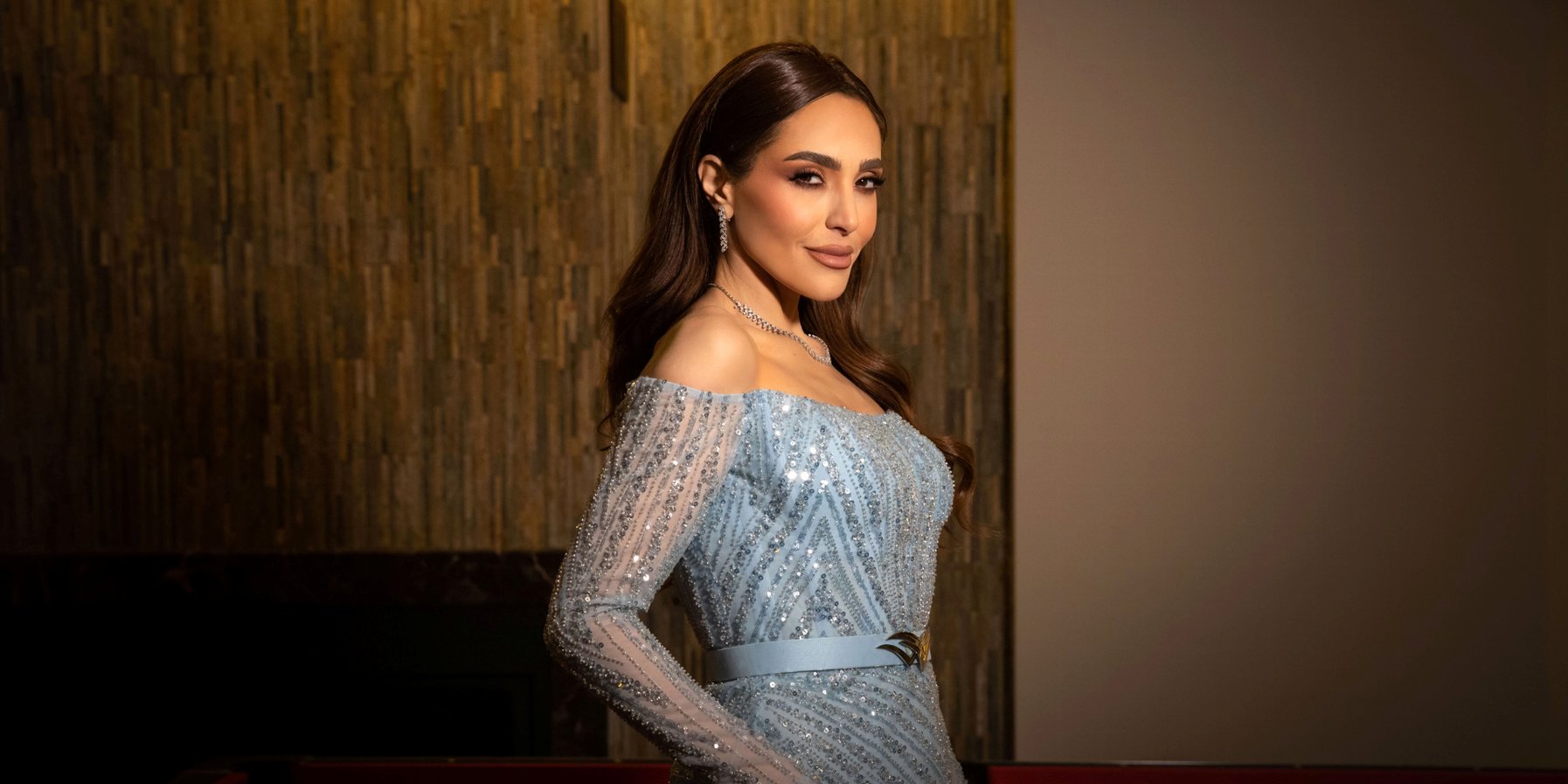
The voice of this music is Fairuz, although she has been retired for several years. For almost seven decades, across more than a thousand songs, she sang for the entire Arab world – for Mecca, Palestine and Jerusalem. Her songs were open to many interpretations and never bound to a single ideology. The singer Abeer Nehme, who once performed alongside Fairuz and the Rahbanis, continues this tradition. She blends Maronite, Byzantine and Syriac Orthodox church music, sings in 29 languages and performs in Riyadh, at the Philharmonie de Paris, at the Nobel Peace Center in Oslo and now at the Elbphilharmonie.
Die große Stimme von Abeer Nehme ist am 31. Oktober in der Elbphilharmonie zu erleben.
Abeer Nehme singt »Li Beirut« von Fairuz
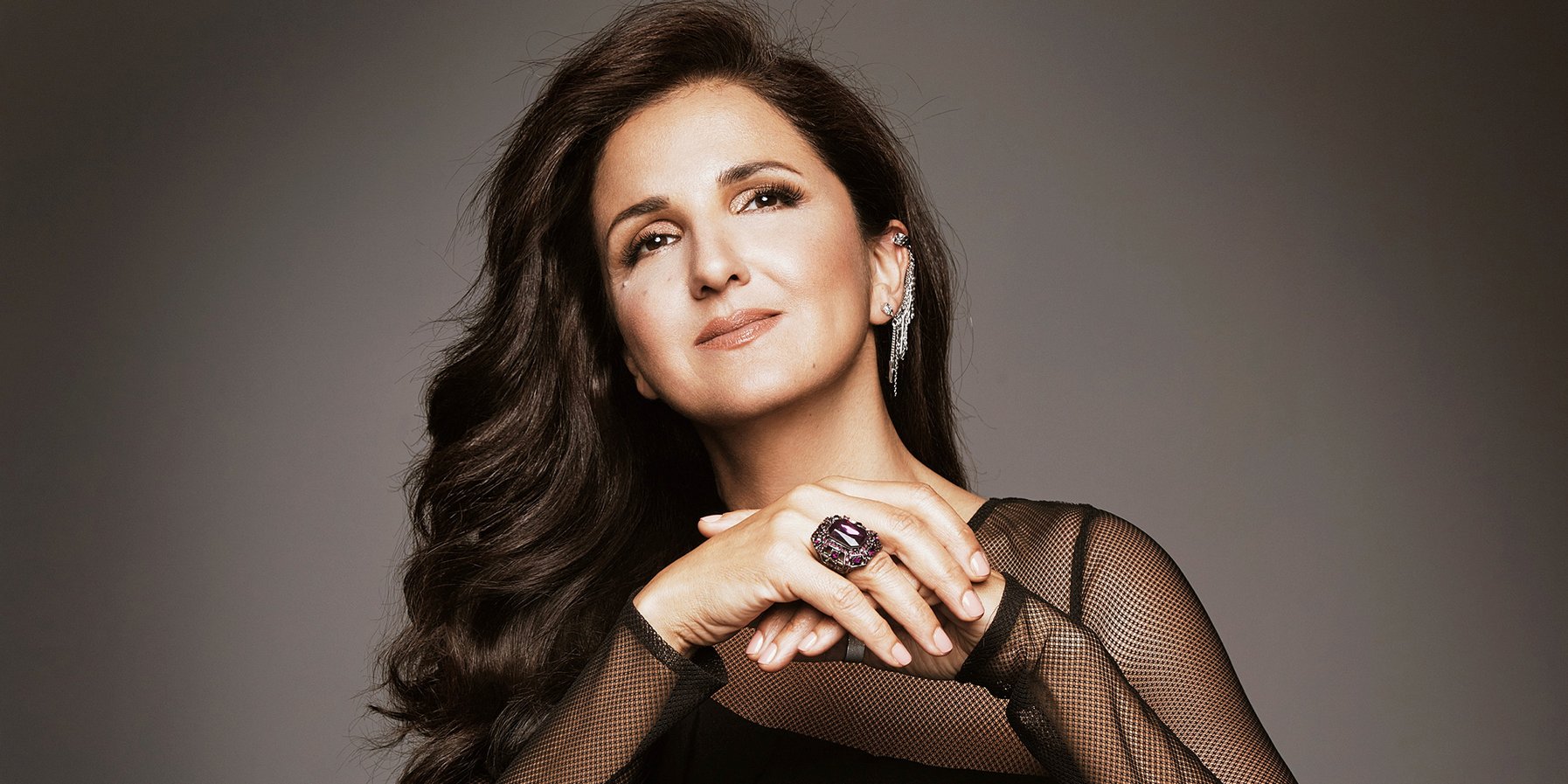
Historically, female singers have been confined to just two roles: the untouchable figure – Fairuz as the »Virgin Mary«, granting no interviews, attending no parties and avoiding all scandal – and the sexualised icon of pan-Arab pop. Tania Saleh knows this division of roles all too well – and refuses to play along. She follows in the footsteps of Ziad Rahbani, the son of Fairuz and Assi Rahbani. During the civil war (1975–1990), he introduced jazz and funk into Lebanese music, sang for the political left and bridged the divide between the elitist world of the Rahbanis and the realities of the city. Tania Saleh sang both for him and alongside him, and continues this legacy: Since 1990, she has experimented with folk, rock, jazz, bossa nova and electronic music – all in Arabic, all written and produced by herself. She describes her music as »Indie Arabic«.
In 2005, she welcomed me into her home in the Lebanese mountains, behind a high wall that obscured the view of the sea. At the time, she seemed frustrated: No one was supporting her; she was simply pouring money into her work; she wondered who she was still making music for. Yet she persevered. Her songs explore domestic violence, divorce and Lebanon’s political failures – and she has written, arranged and produced everything herself. Her work has twice earned her the German Record Critics’ Award. Today she lives in exile. In 2026, she wrote on Instagram: »I believe it’s our karma to live in constant war – because of the sectarianism we cling to. The civil war has never really ended.«
»Indie Arabic« by and featuring Tania Saleh – at the Elbphilharmonie on 1 November.
Tania Saleh: Matrah
AN ARAB MODERNITY
I have never interviewed Charbel Rouhana in person. And yet his name comes up in almost every conversation. He represents a different question from Fairuz: not how Lebanon defines its place within the Arab world, but how the Arab world positions itself in relation to Europe.
In music, this process began in the 1920s. The small Arab ensemble known as the takht – comprising the oud, violin, box zither kanun, ney flute and riqq frame drum, all playing on equal terms, heterophonically, building towards ecstasy – evolved into the large orchestra, the firqa. The music was notated and predetermined. Audiences no longer applauded in the middle of a piece; they waited until the conductor lowered his baton. Walid Gholmieh, the long-serving director of the National Conservatory of Music in Beirut, remarked in a 2005 interview: »The biggest problem with Oriental music is that it has no system, no methods, no books, no exercises.« His solution: an orchestra modelled on the European tradition, with six ouds, four kanuns and four neys playing Arabic melodies in unison. The conservatory now owns 95 pianos.
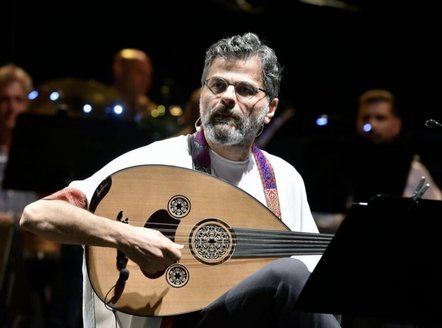
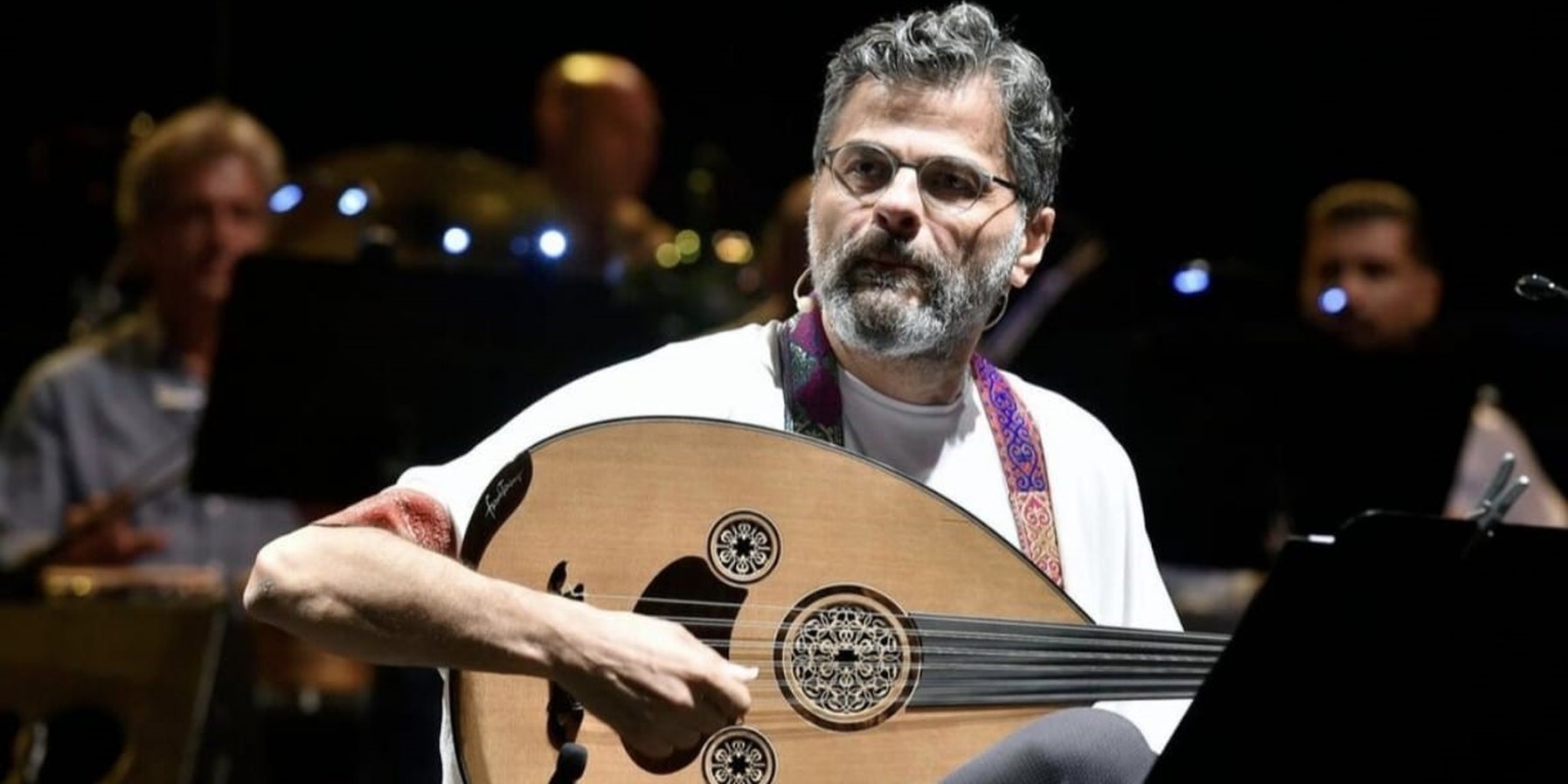
Charbel Rouhana emerged from this school. He has published seven textbooks on the oud and performs with the Lebanese Philharmonic Orchestra, as well as in a quintet featuring oud, buzuq, accordion, double bass and percussion.
Charbel Rouhana & The Oriental Orchestra of the Lebanese Conservatory
Al-Hazima – the Arab world's defeat in the Six-Day War of 1967 – marked a profound turning point. Those who had aligned themselves too closely with institutions and political power suddenly found themselves under attack. The civil war brought everything to a standstill. Rebuilding proved difficult. It was not until 2005 that many began to speak once again of a fresh start. New festivals emerged, such as Beirut’s Irtijal for experimental music and free improvisation, alongside numerous concerts and a wealth of bands: indie rock, rap, metal, free jazz, electropop, techno and electroacoustic music. That’s why I’m writing my dissertation here rather than in Cairo. I can barely keep up with the visitors arriving from Switzerland. Suddenly, I find myself acting as a tour guide.
The musicians I meet want nothing to do with the conservatories’ modernisation projects or with pan-Arab satellite pop. They want to be defined not by where they come from, but by their music. They believe in a multi-confessional, cosmopolitan Lebanon – but are sceptical that this vision will ever become reality. Their resistance sometimes takes the form of dark humour and biting sarcasm. But the market is small. Visas are refused. Flights cost a fortune. The solution lies in international collaboration – music created between Beirut, Berlin, Paris and Montreal, sustained by diaspora networks and international cultural funding.
Der Oud-Virtuose Charbel Rouhana ist am 31. Oktober im Konzert zu erleben.
NOSTALGIA FOR A BETTER TIME
Wael Kodeih, better known as Rayess Bek, greets me in a foul mood back in 2005. He had postponed our interview ten times. When I arrive fifteen minutes late, he explodes: »We agreed to meet at one o’clock!« In Beirut, arriving anything short of »too late« is generally considered punctual. Not for Kodeih. He expects his friends to arrive on time. He picked up the habit in Europe. And he wants things to work that way in Beirut, too. Today, he can laugh about it: »I was angry back then. Lebanon was getting to me.« In 1997, he founded Aks’ser, meaning »oncoming traffic«, Lebanon’s first Arabic-language rap duo. One of his songs is called »Schizophrenia«. In it, he raps in two languages – French and Lebanese Arabic – and closes with the words: »I’m twenty-six years old now and I’m not sure if I’ve understood anything in this country.« His grandparents lived in Palestine »before their world came to an end,« he writes in 2024 about his album »Baher«. All proceeds are donated to Gaza.
Rayess Bek: Baher
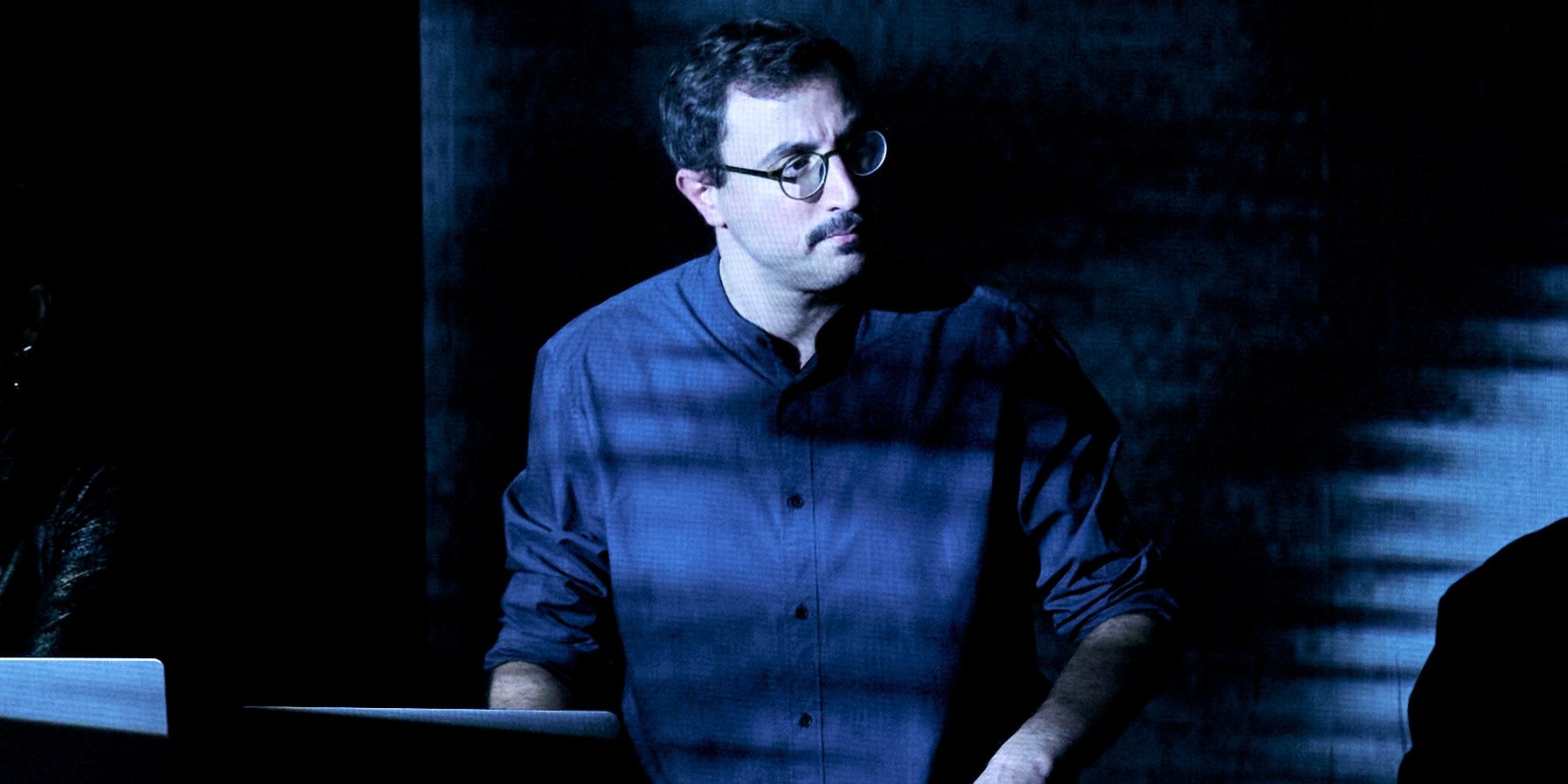
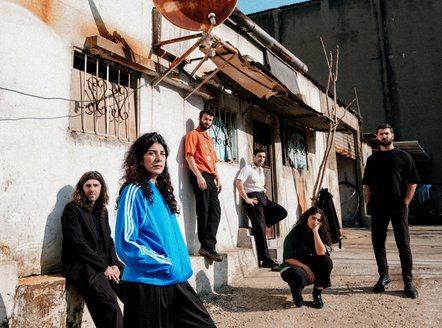
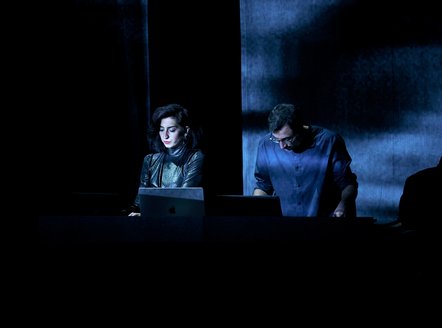
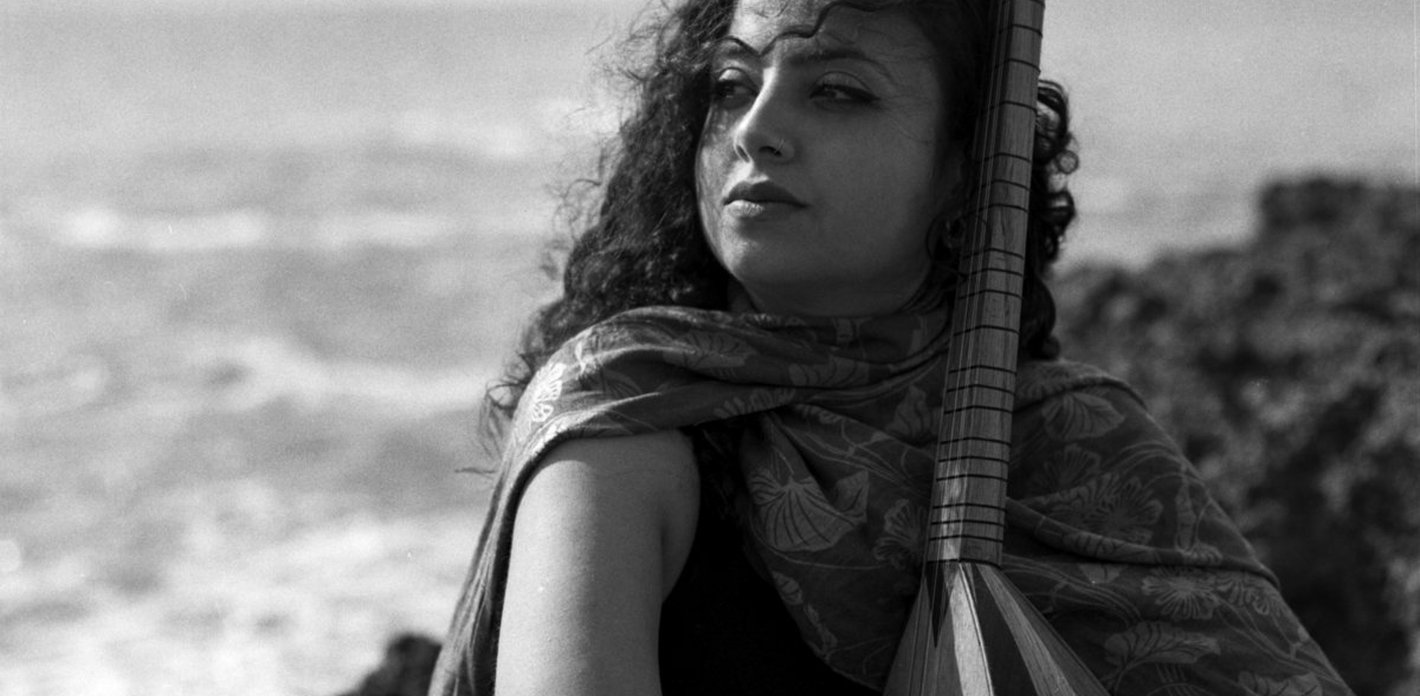
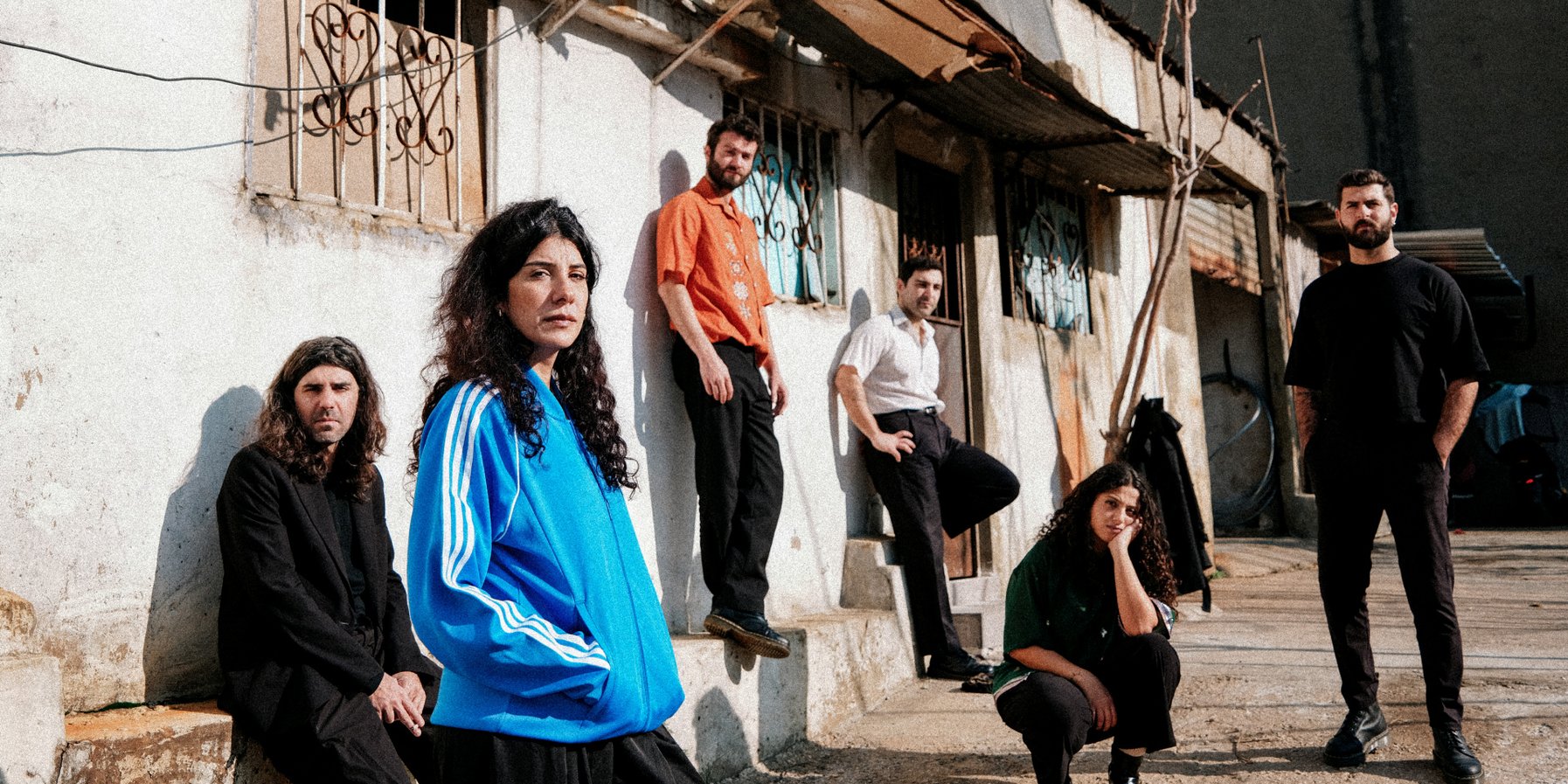
Nowadays, for his project »Love and Revenge«, he delves into Egyptian film archives spanning the 1940s to the 1990s, creating audiovisual performances. There’s a sense of nostalgia for a time when the greatest Arab singer, Umm Kulthum, could still travel between Beirut, Damascus, Jerusalem and Cairo, and the borders were open. Meanwhile, a new generation has emerged. One of the most remarkable successes to grow out of all this groundwork is Sanam. Perhaps no Lebanese band has ever achieved such prominence on Europe’s alternative music scene. Farah Kaddour, Sanam’s buzuq player, captures what motivates this generation: »I didn’t want anything to do with ›world music‹.«
That’s true. And yet not entirely true. Because nothing is just black and white. And artists carefully shape their own image. Trumpeter Mazen Kerbaj wants to be regarded in Europe as a free improviser – while simultaneously presenting himself as a »war musician« when he tells international journalists how growing up during the civil war shaped his musical sensibility. He is well aware that war holds a certain aesthetic fascination. European curators are drawn to the theme of music and war.
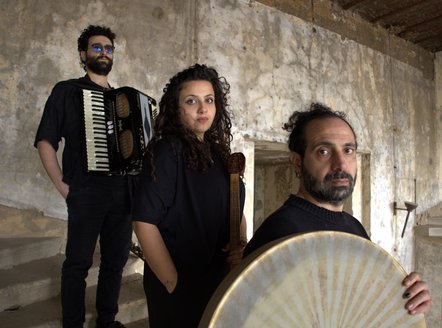
And Farah Kaddour? She plays the buzuq, a lute traditionally played by nomads in Lebanon and also heard in the music of the Rahbani brothers. Her real point of reference is the psychedelic music of the 1960s: Around two hundred Lebanese bands were combining Oriental melodies with rock music at the time. The caricatured images of the Orient found in Arab nightclubs in New York, Beirut and Cairo during the 1950s and 1960s also provide inspiration – breaking through every boundary of authenticity. No rules about purity. Kitsch and trash rather than high culture.
Rayess Bek can be experienced performing in concert on 30 October.
Perhaps this is what makes Lebanon’s music so distinctive. It reflects the complexity and traumas of the country, with all its contradictions. The intellect can decide: I want to distance myself from Egypt, look towards Europe and avoid being cast as an exotic »war artist«. Music, however, resists any precise interpretation. It is filled with noise, imperfections and flights of imagination – transcending ideology and politics.
Thomas Burkhalter is an anthropologist and cultural journalist based in Bern and the founder of the platform Norient.com, which features articles, music compilations and podcasts about Lebanon.
This article appeared (in German) in Elbphilharmonie Magazin (Issue 3/26).
Sanam zwischen Psychedelica und Rock am 29. Oktober im Konzert erleben.
Die Konzerte des Festivals
- Elbphilharmonie Kleiner Saal
Rock, electronics and Egyptian classics meet Arabic poetry – Lebanon Festival
Past Concert - Elbphilharmonie Kleiner Saal
Farah Kaddour solo & Tilt Trio
The Buzuq Between Tradition and Innovation – World Classical Music / Lebanon Festival
Past Concert - Elbphilharmonie Kleiner Saal
»Chayyel«: oriental dabke music reimagined as an audiovisual performance – ePhil / Lebanon Festival
Past Concert - Elbphilharmonie Kleiner Saal
The Resonant Voice of the Oud – Lebanon Festival
Past Concert - Elbphilharmonie Großer Saal
The great voice of Lebanon – Lebanon Festival
LivestreamPast Concert - Elbphilharmonie Kleiner Saal
Lebanese singer-songwriter pioneer of the Arab indie scene – Lebanon Festival
Past Concert