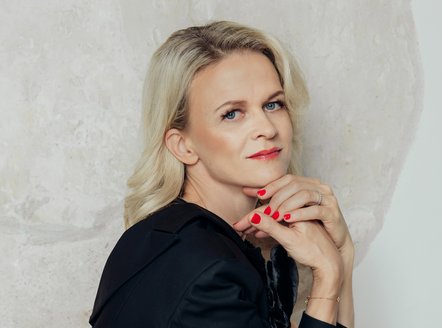
Liszt: Organ Fantasy & Prometheus and Works by Shostakovich, Kalējs, Glass and Mozart
Prometheus
Description
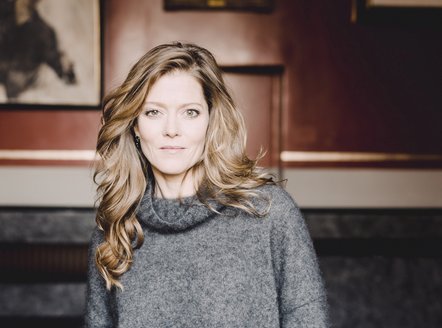
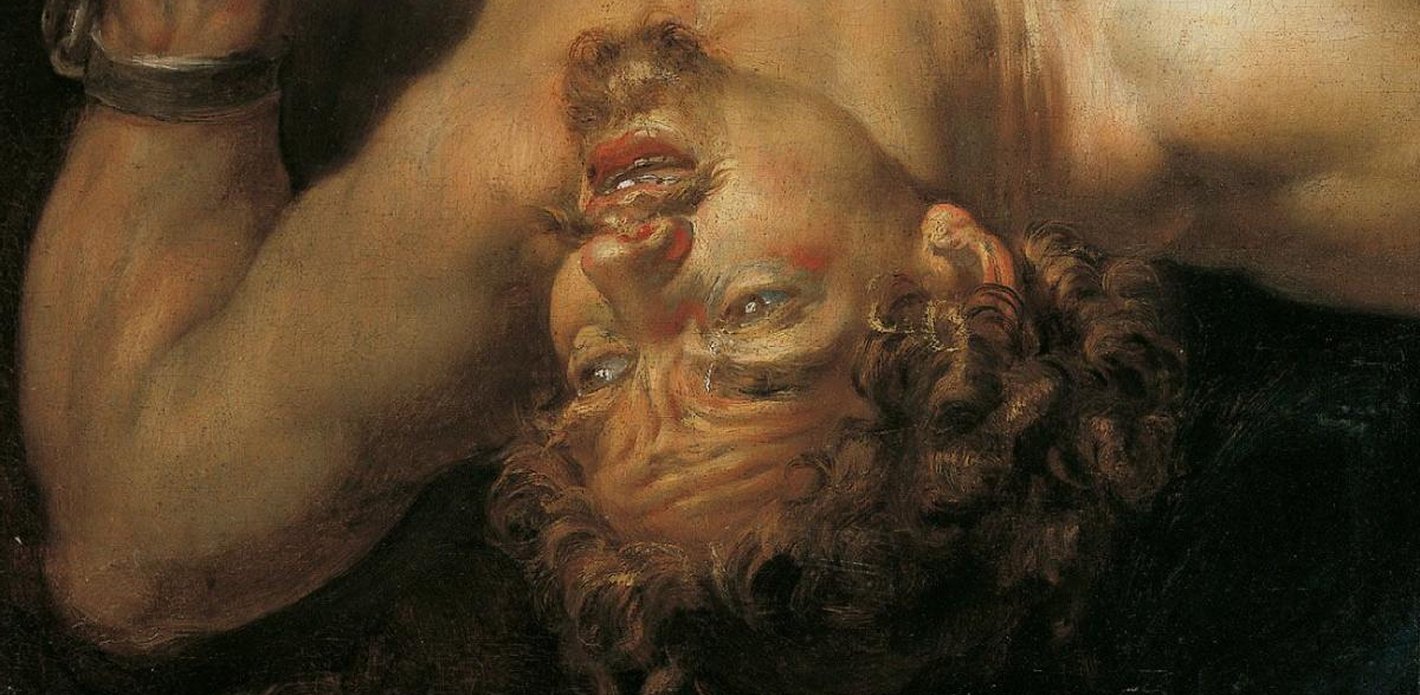
Among all the myths and legends of ancient Greece, Prometheus holds a unique place. He rebels against Zeus and brings fire to humankind – until then uncivilised; in another version, he even creates humans himself from clay and breathes life into them. Few figures have resonated so strongly across religion, philosophy and the arts. A selection of musical tributes across genres can be experienced in the second half of the season, presented by titular organist Iveta Apkalna, acclaimed baritone Konstantin Krimmel, pianist Kit Armstrong and multi-talented Barbara Hannigan at the helm of the NDR Elbphilharmonie Orchestra.
For Beethoven, Prometheus embodied the Enlightenment, the liberation of humanity from self-imposed immaturity. Romantic composers such as Liszt focused more on themes of guilt, punishment and redemption of the god chained to a rock by Zeus. For the synesthete Scriabin, it was the element of fire itself that proved most compelling. As violinist Patricia Kopatchinskaja demonstrates in an original concert format, the myth can also be interpreted differently: as an archetypal fall from grace like that of Adam and Eve, as a loss of innocence or as human hubris culminating in war and environmental destruction. Luigi Nono brought all these and many other aspects together in his epochal experimental music theatre work »Prometeo« – a fusion of concert and sound installation with instruments and singers distributed throughout the space, and a philosophical-artistic reflection on humanity, social utopias, failure and hope.
Events of the spotlight
- Elbphilharmonie Großer SaalTicket sale starts on 19 May 2026 at 11:00
- Elbphilharmonie Großer Saal
Nono
Ticket sale starts on 19 May 2026 at 11:00 - Elbphilharmonie Kleiner Saal
Konstantin Krimmel / Liederabend
Loewe / Wolf / Schubert
Ticket sale starts on 19 May 2026 at 11:00 - Elbphilharmonie Großer SaalTicket sale starts on 19 May 2026 at 11:00
- Elbphilharmonie Großer Saal
Patricia Kopatchinskaja / Ensemble Resonanz: Prometheus
Beethoven / Rouget de Lisle / Rebel
Tickets from €15 - Elbphilharmonie Großer Saal
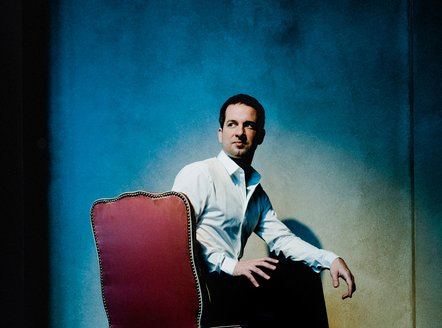
NDR Elbphilharmonie Orchestra / Bertrand Chamayou / Barbara Hannigan
Works by Claude Debussy, Jean Sibelius, Alexander Skrjabin, Claude Vivier and Franz Schrecker
Ticket sale starts on 19 May 2026 at 11:00 - Elbphilharmonie Großer Saal
NDR Elbphilharmonie Orchestra / Bertrand Chamayou / Barbara Hannigan
Works by Claude Debussy, Jean Sibelius, Alexander Skrjabin, Claude Vivier and Franz Schrecker
Ticket sale starts on 19 May 2026 at 11:00