Text: Carsten Fastner, August 2026
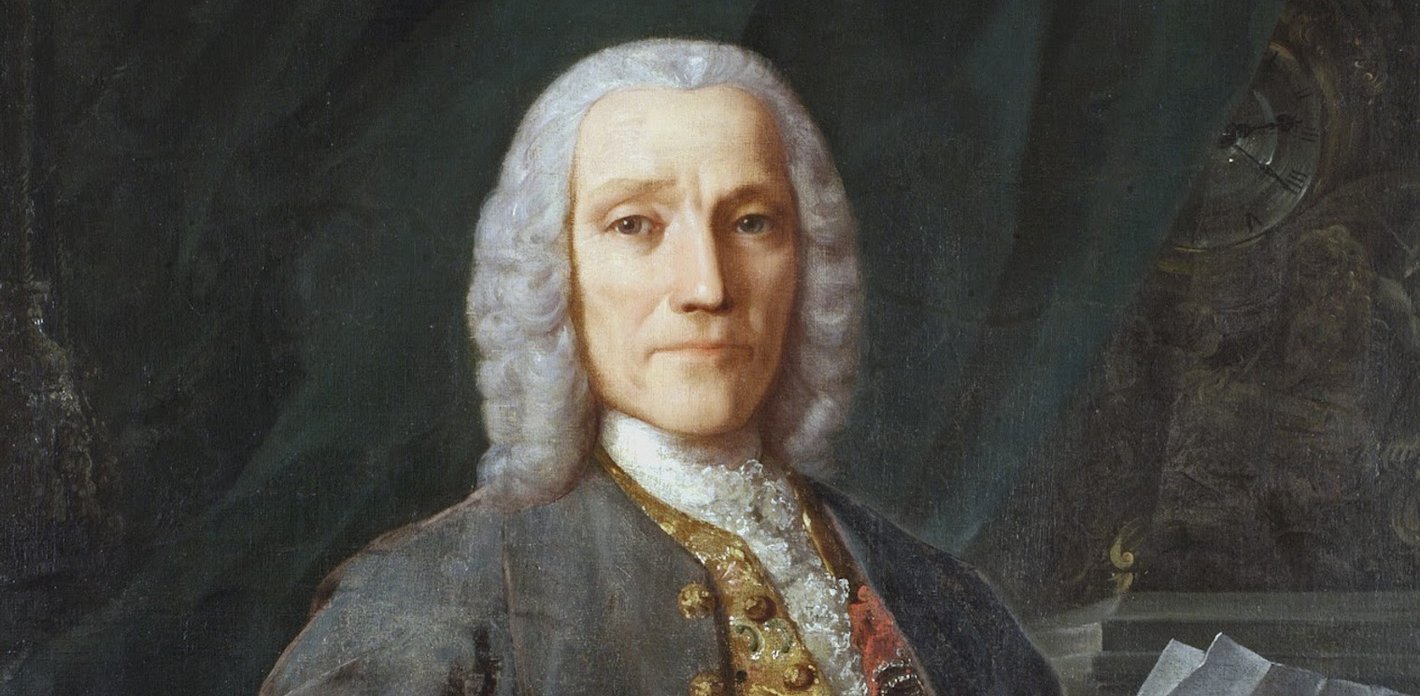
Czech Radio’s classical music programme remains steadfast in its commitment to broadcasting complete works rather than individual »feel-good« movements. This means that a vast repertoire of short, self-contained works is needed to precisely fill the hour after a longer work has been played in full. And for this, they very often turn in Prague to Domenico Scarlatti – and, more specifically, to his 555 piano sonatas. The shortest lasts less than two minutes, the longest around seven. An inexhaustible treasure trove of varied, entertaining, complete works that are far more than merely practical interludes.
The writer Gabriele D’Annunzio has compared these Baroque gems to a string of pearls tumbling, hopping and leaping down water-washed steps like a cascade, intermingling with the trickling water.
»»At times they resemble precious water droplets; at others, the tears of a weeping beauty.««
Gabriele D’Annunzio
The image is all the more apt because Scarlatti’s era was utterly enamoured with irregularly shaped pearls, which even gave their name to this style: in Portuguese, these popular curiosities were known as »barroco«.
It is precisely this Baroque delight in individual, characteristic deviations from the norm that constitutes a key appeal of the sonatas. Scarlatti constantly plays with the conventions of his time, juggling the rules of art with apparent ease, always sensually, with a delight and exuberance. With inexhaustible ingenuity, he constantly seeks out rhythmic, melodic and harmonic surprises, yet remaining within strict formal constraints: his works have nothing in common with our modern understanding of the sonata; the classical sonata form was not codified until a century later. Scarlatti is content with a simple two-part form in which he effectively juxtaposes two contrasting themes.
Pianomania
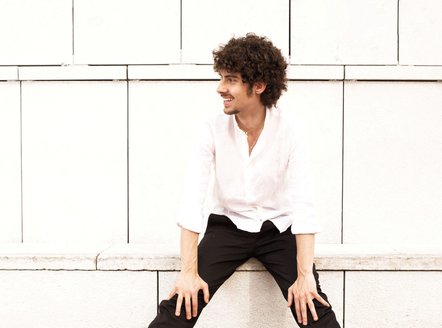
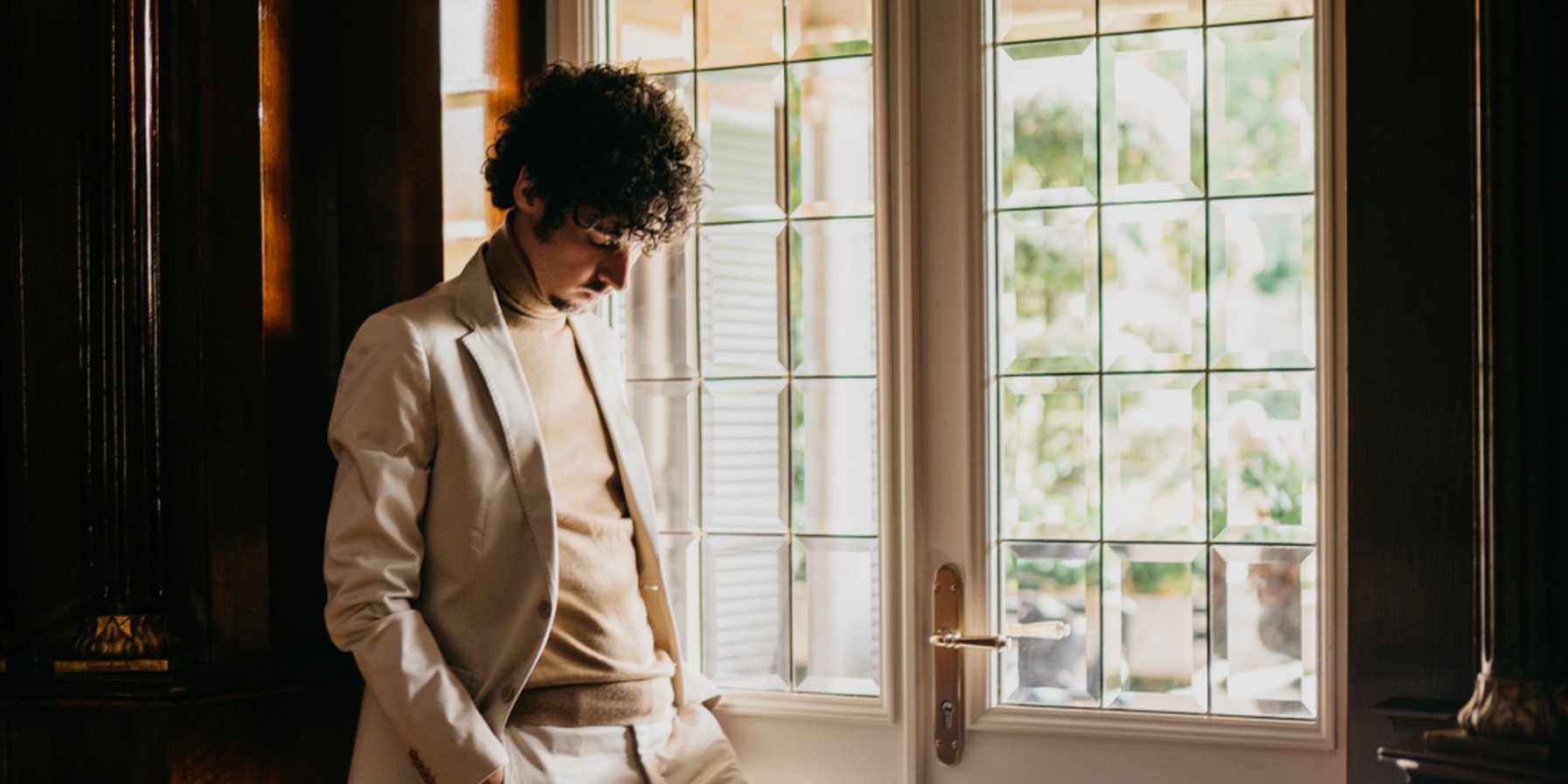
Four world-class pianists take on Domenico Scarlatti’s extensive and varied repertoire of sonatas. By interspersing them with music by Mozart or Debussy, they open up exciting new perspectives on the old master of the sonata.
Der Pianist eröffnet die Pianomania Reihe
The same formal principle repeated 555 times – anyone who thinks that would soon become monotonous underestimates this man’s imagination. There is playful keyboard magic and pointed concision, arioso rapture and crisp physicality. There are virtuosic, cheerful and dance-like passages alongside melancholic, subtle and enigmatic ones. The whole world in 35 hours of music – considering the sheer duration, that is twice as much as everything Beethoven and Chopin wrote for the piano; only Bach comes close – if you include his organ works.
This impressive body of work is unique in music history. Yet remarkably little is known about its origins or its composer: Domenico Scarlatti was born in Naples in 1685, the same year as Bach and Handel. His father Alessandro, a prominent opera composer, took a keen interest in his highly gifted son’s career – much as Leopold Mozart would later do – introducing him to the court orchestra in Naples at an early age and subsequently sending him to Florence, Venice, Rome and the Vatican.
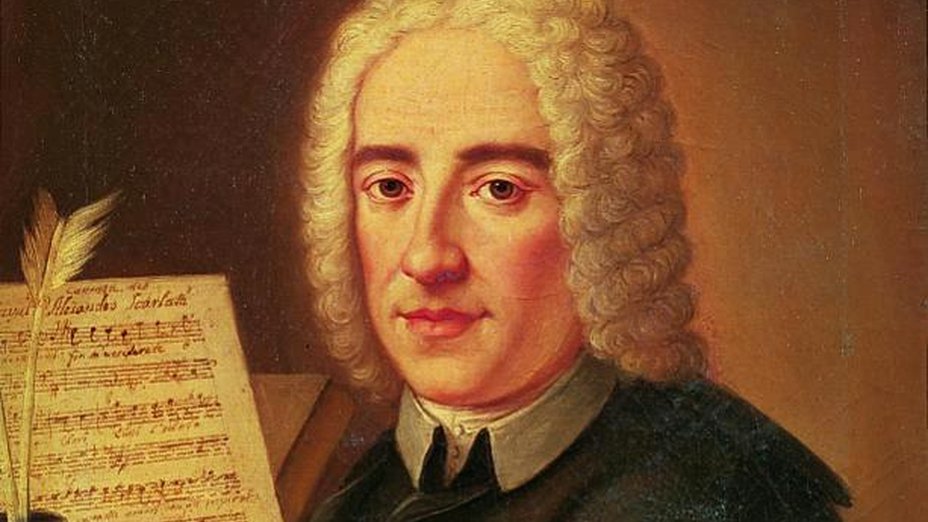
Domenico worked for the Medici, the exiled Polish queen and the art-loving Cardinal Ottoboni. He probably exchanged ideas with Vivaldi and certainly did so with Corelli and Handel – with whom he also took part in a public musical contest, which Scarlatti himself is said to have won on the harpsichord, while Handel prevailed on the organ. As a keyboard virtuoso, Scarlatti was already playing with all ten fingers (rather than avoiding the thumbs, as was customary at the time). As a composer, by 1719 he had produced an impressive 15 operas, just as many oratorios and numerous other works, primarily vocal music.
Then came the break – with his domineering father, his homeland and his previous body of work. At the age of 34, Scarlatti moved to Lisbon to the Portuguese royal court, where he became the teacher of the young Infanta Maria Bárbara, who soon proved to be a talented harpsichordist. When the princess married the Spanish heir to the throne in 1729, he followed her to Spain and remained in Maria Bárbara’s service until his death in 1757. He probably composed his 555 sonatas primarily for her and the Spanish influence on these pieces is unmistakable: time and again, echoes of local folk music can be heard – the arpeggios of guitars, the tremolo of mandolins, the clatter of castanets.
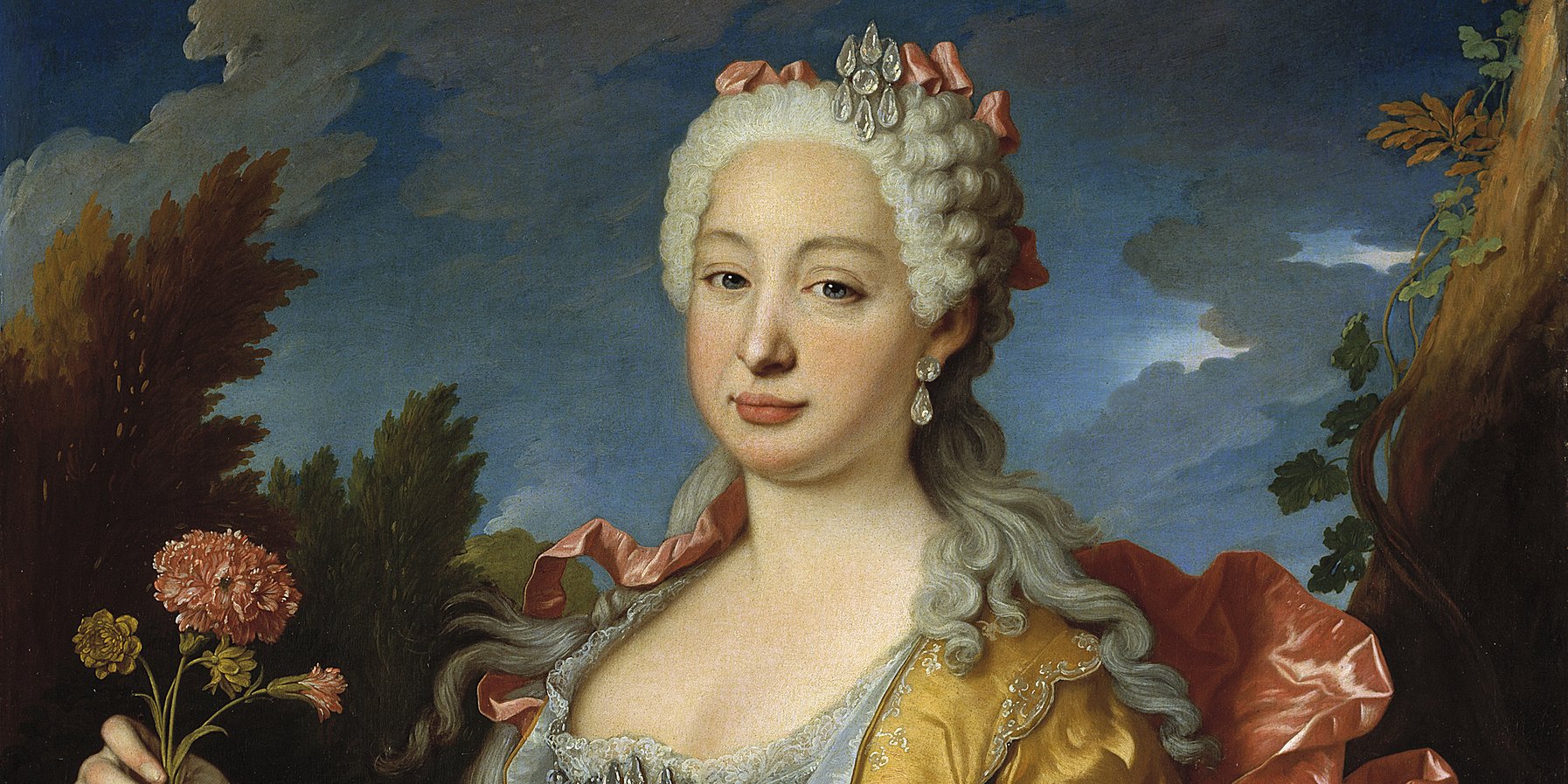
No sources however, and not even autograph manuscripts, that might reveal details about their composition have survived. Scarlatti himself published only a selection of thirty pieces, in a lavish volume that appeared in London in 1738 under the title »Essercizi per gravicembalo«. Everything else has been handed down to us exclusively through contemporary transcriptions compiled in various volumes. The most magnificent of these – those belonging to the queen – were bequeathed by Maria Bárbara after her death in 1758 to another of her court musicians: the castrato Farinelli, who held Scarlatti in high esteem and showed the manuscripts to the English music historian Charles Burney in 1770, an encounter Burney recounts in detail in his »Journal of a Musical Journey«.

However, it was not until 1953 that the first comprehensive biography of Scarlatti was published, written by the American harpsichordist Ralph Kirkpatrick, who also compiled the catalogue of works that remains authoritative to this day. Finally, in 1985, harpsichordist Scott Ross released the first complete recording of K 1 through K 555 – following 98 recording sessions and a total of 8,000 takes.
Nevertheless, Scarlatti’s sonatas were never forgotten in the interim. Their wit had already impressed and influenced Haydn; Chopin admired their technical brilliance and made them required repertoire for his students; and Brahms, too, was so enthusiastic that he assembled a collection of manuscripts containing a total of 308 sonatas.
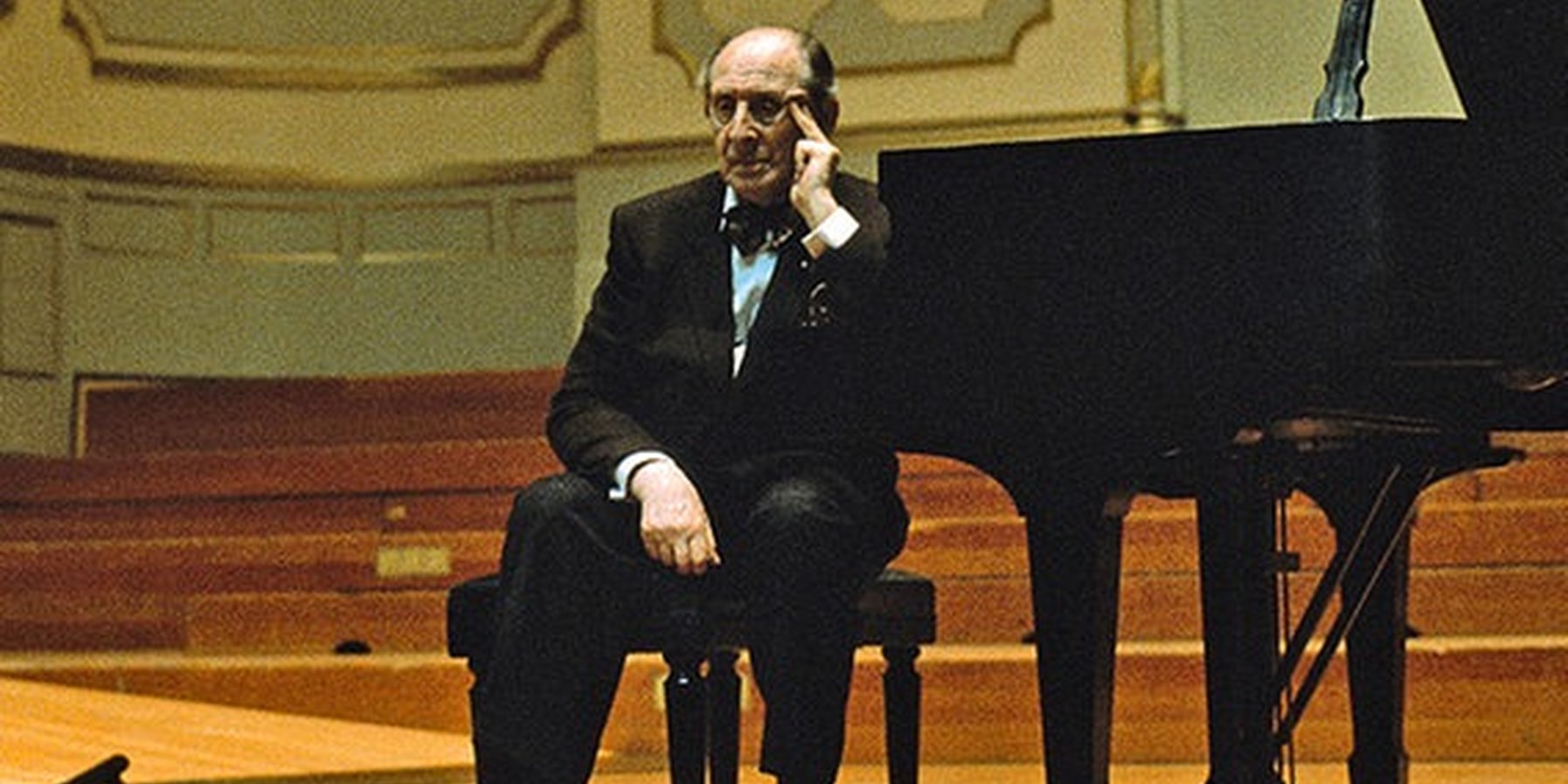
Scarlatti conceived and wrote his sonatas for the harpsichord, and naturally, the instrument’s limited tonal range draws particular attention to the diversity in the composition’s structure. However, the modern piano offers far greater possibilities for unfolding the variety of sonic visions implicit in the music, and so the great pianists of the 20th century embraced these pieces early on. The noble Clara Haskil, the lyrical Wilhelm Kempff, the elegant Robert Casadesus, the highly sensitive Dinu Lipatti, the crystal-clear Arturo Benedetti Michelangeli – they all had Scarlatti sonatas in their repertoires, albeit mostly as showpieces and encores. It was Vladimir Horowitz who finally restored them to their rightful place as fully fledged compositions in his concerts and recordings: to him, Scarlatti was a »master of great small art – which is, of course, preferable to small grand art«.
And how can we listen to these sonatas today? In the preface to the »Esercizi«, Scarlatti himself offers the reader (not the listener or performer!) a timeless recommendation – with all due modesty, noble insight and deeply human sentiment: »Reader, whether you are an amateur or a connoisseur, do not expect profundity in these compositions, but simply a refined play on art. And show yourself to be more human than critical, and you will increase your pleasure even more. Live happily!«
This article appeared (in German) in Elbphilharmonie Magazin (Issue 3/26).
- Elbphilharmonie Kleiner Saal
Federico Colli / Piano Recital
»Pianomania« – Sonatas by Domenico Scarlatti, Leoš Janáček & Wolfgang Amadeus Mozart
- Elbphilharmonie Kleiner Saal
Elisabeth Brauß / Piano Recital
»Pianomania« – Sonatas by Domenico Scarlatti and works by Isaac Albéniz, Olivier Messiaen, Robert Schumann and others
- Elbphilharmonie Kleiner Saal
»Pianomania« – Sonatas by Domenico Scarlatti as well as preludes by Alexander Scriabin
- Elbphilharmonie Kleiner Saal
Emanuil Ivanov / Piano Recital
»Pianomania« – Sonatas by Domenico Scarlatti as well as works by Claude Debussy